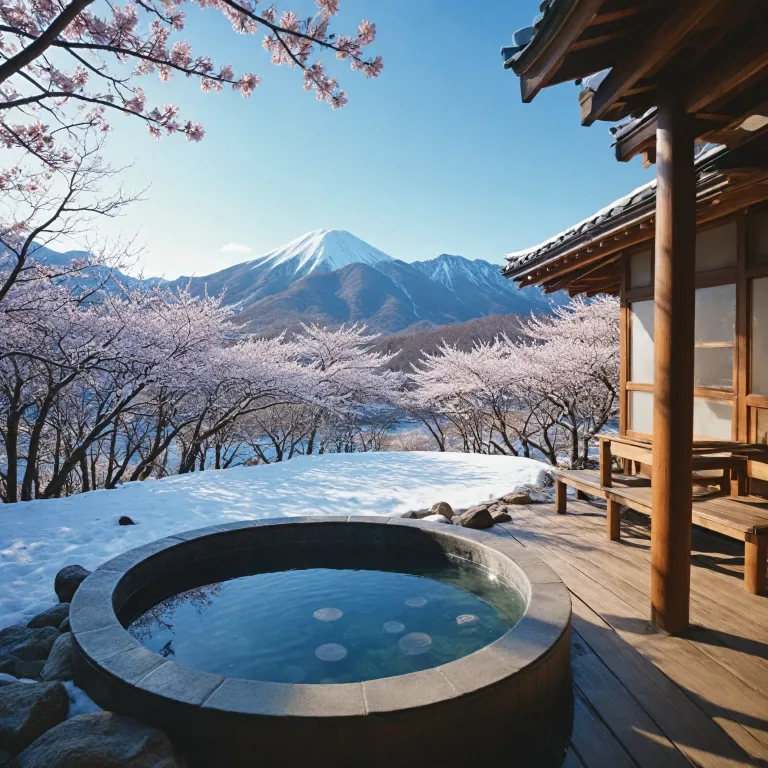
Immersing in the elegance of Hokkaido onsen culture
Hokkaido is celebrated for its abundant hot springs, offering a tapestry of experiences shaped by the region’s volcanic landscape. The allure of a Hokkaido onsen lies not only in the mineral-rich waters but also in the seamless blend of tradition and modern comfort found in luxury and premium properties. From the moment guests arrive at a ryokan near Noboribetsu or Hakodate, the air is infused with a sense of tranquility, and the promise of rejuvenation is ever-present. Many travelers seek out the open air baths, where the contrast between the crisp Hokkaido air and the warmth of the hot spring creates a sensory delight.
Each onsen in Hokkaido offers a distinct character, shaped by its spring qualities and surrounding landscapes. Noboribetsu Onsen, for example, is renowned for its varied springs and the dramatic Hell Valley, while Yunokawa Onsen in Hakodate is prized for its proximity to Hakodate Airport and the therapeutic properties of its waters. The journey to these destinations is often part of the experience, with limited express trains and minutes bus rides from major hubs like Sapporo Station or Chitose Airport making access convenient. For those seeking a comprehensive guide, understanding the nuances of each hot spring, from the mineral content to the etiquette, is essential for an enriching stay.
Luxury travelers are drawn to the exclusivity and personalized service offered by premium properties across the Hokkaido region. Whether soaking in a grand bath at Dai Ichi Takimotokan or enjoying a private suite overlooking Lake Toya, the experience is elevated by attention to detail and a deep respect for onsen tradition. The integration of modern amenities with centuries-old practices ensures that every visit is both authentic and supremely comfortable.
Signature onsen destinations: from Noboribetsu to Lake Toya
Noboribetsu Onsen stands as a beacon among Japan’s hot spring resorts, famed for its diverse springs and the otherworldly landscape of Hell Valley. The area’s geothermal activity creates a variety of hot springs, each with unique mineral compositions that cater to different wellness needs. Guests can reach Noboribetsu Station via limited express trains from Sapporo Station in about one hour minutes, followed by a short minutes bus ride to the heart of the resort area. The grand bath at Dai Ichi Takimotokan is a highlight, offering panoramic views and a selection of indoor and open air baths fed by multiple springs.
Lake Toya, another jewel in the Hokkaido region, is celebrated for its serene setting and lakeside hot springs. Properties here often feature open air baths with sweeping views of the lake and surrounding mountains, providing a tranquil retreat just a few hours minutes from Sapporo or Chitose Airport. The combination of natural beauty and refined hospitality makes Lake Toya a preferred choice for those seeking both relaxation and scenic splendor.
For travelers arriving from Hakodate, Yunokawa Onsen offers a convenient escape, located just minutes from Hakodate Airport. The mineral-rich waters are believed to promote skin health, and the proximity to cultural attractions enhances the appeal for visitors looking to immerse themselves in local traditions. For a curated list of premium accommodations and travel tips, explore our Hokkaido luxury hotel recommendations for an unforgettable stay.
Access and transportation: navigating Hokkaido’s hot spring network
Efficient transportation is a hallmark of the Hokkaido onsen experience, with well-connected rail and bus networks linking major cities to renowned hot spring destinations. Sapporo Station serves as a central hub, offering limited express trains to Noboribetsu, Hakodate, and other key locations. The journey from Sapporo to Noboribetsu Onsen typically takes about one hour minutes by train, followed by a minutes bus transfer to the resort area. Chitose Airport, the main gateway for international travelers, provides direct access to Sapporo and onward connections to onsen towns across the region.
For those seeking flexibility, rental cars offer the freedom to explore remote springs and lesser-known ryokan at their own pace. The drive from Chitose Airport to Lake Toya or Sounkyo Onsen reveals the diverse landscapes of Hokkaido, from volcanic valleys to tranquil lakeshores. Bus services are also available, with routes connecting major stations to onsen villages such as Tenninkyo and Kawayu.
Travelers are encouraged to consult a comprehensive guide to plan their routes, taking into account the operating hours and seasonal variations of each hot spring. For detailed directions and transportation options, refer to our Hokkaido onsen access guide to ensure a seamless journey. The integration of public transport and private transfers enhances accessibility, making luxury and premium properties within easy reach for visitors from across Japan and beyond.
Wellness and tradition: the art of bathing in Hokkaido hot springs
The ritual of bathing in a Hokkaido onsen is steeped in centuries of tradition, with each step designed to promote relaxation and well-being. Guests are invited to cleanse thoroughly before entering the bath, respecting the etiquette that underpins the onsen culture. Many properties offer both indoor and open air baths, allowing visitors to choose their preferred setting for immersion in the mineral-rich waters. The temperature of the springs varies, with some, like Tokachigawa Onsen, reaching up to 55°C, providing a deeply soothing experience.
Ryokan accommodations often include private baths, catering to guests seeking exclusivity and privacy. The integration of traditional tatami rooms, kaiseki dining, and attentive service elevates the stay, creating a holistic wellness retreat. The health benefits of hot springs are widely recognized, with minerals such as sulfur, sodium, and magnesium believed to aid in skin care, circulation, and stress relief.
Visitors are encouraged to familiarize themselves with local customs, including the use of towels, appropriate attire, and the importance of quiet reflection while bathing. For those new to the experience, a guide to onsen etiquette is invaluable in ensuring a respectful and enjoyable visit.
Seasonal highlights and unique experiences across the Hokkaido region
Hokkaido’s hot springs offer year-round appeal, with each season bringing its own unique charm to the onsen experience. Winter is particularly magical, as snow blankets the landscape and the contrast between the cold air and steaming baths creates an unforgettable sensation. Many visitors time their trips to coincide with seasonal events, such as the Sapporo Snow Festival or the blooming of flower fields near Tokachigawa Onsen in spring.
Outdoor enthusiasts can combine onsen visits with hiking in Daisetsuzan National Park or skiing in Sounkyo, taking advantage of the region’s diverse recreational opportunities. The proximity of many hot springs to natural attractions, such as waterfalls near Tenninkyo or the volcanic scenery of Hell Valley, enhances the sense of adventure and discovery.
For those seeking a deeper connection to local culture, ryokan stays often include traditional performances, tea ceremonies, and regional cuisine, offering a window into the heritage of the Hokkaido region. The integration of onsen with outdoor activities and cultural experiences ensures that every visit is both restorative and enriching, appealing to travelers of all interests and backgrounds.
Practical tips for a seamless luxury onsen stay
Planning a luxury or premium onsen escape in Hokkaido requires attention to detail and an understanding of local customs. Reservations are recommended, especially during peak seasons or for properties offering private baths and exclusive amenities. Guests should check the specific rules and etiquette of each onsen, as some may have restrictions regarding tattoos or require advance notice for special requests.
It is advisable to bring personal towels and toiletries, although many high-end properties provide these as part of their service. Be mindful of the operating hours and consider visiting during off-peak times to enjoy a more tranquil atmosphere. For families, many onsen offer child-friendly facilities and private bathing options, ensuring a comfortable experience for all ages.
Travelers are encouraged to explore a variety of springs, from the renowned Noboribetsu Onsen to the lesser-known Toyotomi Onsen, each offering distinct therapeutic benefits. The diversity of hot springs across the Hokkaido region ensures that every guest can find a setting that suits their preferences, whether seeking solitude, social interaction, or a blend of both.
Expert insights and trusted recommendations for Hokkaido onsen travel
When planning a journey through the hot springs of Hokkaido, expert guidance can enhance the experience and ensure a memorable stay. Local tourism boards and associations provide up-to-date information on the best times to visit, transportation options, and recommended properties. As one expert notes, "Onsen in Hokkaido can be enjoyed year-round, but many visitors prefer the winter months (December to February) for the unique experience of bathing in hot springs surrounded by snow." Another adds, "Yes, many onsen in Hokkaido offer family-friendly facilities, including private baths and accommodations suitable for children." For those considering a visit, it is also important to remember, "While some onsen accept walk-in visitors, it's advisable to make reservations, especially during peak tourist seasons or if you prefer private bathing facilities."
By leveraging the expertise of local guides and utilizing comprehensive travel resources, guests can navigate the region’s extensive network of springs and ryokan with confidence. Whether seeking the grandeur of Dai Ichi Takimotokan or the intimate charm of a lakeside retreat, the Hokkaido onsen experience is defined by its commitment to quality, hospitality, and cultural authenticity.
For further reading and trusted recommendations, consult official tourism websites and recognized travel guides. These resources offer valuable insights into the evolving landscape of luxury and premium onsen travel in Japan, ensuring that every journey is both informed and inspired.
Key statistics on Hokkaido onsen travel
- Number of Onsen Areas in Hokkaido: 251 onsen areas
- Temperature Range of Tokachigawa Onsen: up to 55°C
Frequently asked questions about Hokkaido onsen
What is the best time to visit onsen in Hokkaido?
Onsen in Hokkaido can be enjoyed year-round, but many visitors prefer the winter months (December to February) for the unique experience of bathing in hot springs surrounded by snow.
Are there any onsen in Hokkaido suitable for families?
Yes, many onsen in Hokkaido offer family-friendly facilities, including private baths and accommodations suitable for children.
Do I need to make a reservation to visit an onsen in Hokkaido?
While some onsen accept walk-in visitors, it's advisable to make reservations, especially during peak tourist seasons or if you prefer private bathing facilities.
Trusted sources: Noboribetsu Onsen Tourist Association, Hakodate City Tourism Department, LIVE JAPAN travel guide.