Why luxury travelers are turning to Ainu culture in Hokkaido
Ainu culture in Hokkaido is reshaping how discerning guests plan their stays. High end travelers now weave ainu culture hokkaido upopoy into itineraries that once focused only on powder snow or omakase counters. The most rewarding trips balance time in a national Ainu museum, quiet hours in nature and evenings in hotels that respect indigenous history.
On Japan’s northern island, the story of the Ainu people runs beneath every onsen town and ski valley. Many visitors arrive for Hokkaido Japan’s landscapes, then realise that understanding Ainu history and traditional Ainu beliefs deepens every walk through the forest or along the coast. Luxury properties that frame their experiences around this history culture context feel more grounded and far less generic.
Upopoy National Ainu Museum and Park in Shiraoi Hokkaido sits at the center of this shift. Opened on July 12, 2020 and operated by the Foundation for Ainu Culture (officially the Foundation for Research and Promotion of Ainu Culture), it was created as a national hub for the revival and development of Ainu culture, with a permanent exhibition, open air museum park and lakeside grounds. For travelers, it offers a precise starting point before heading to an Ainu village, artisan workshop or remote ryokan where cultural courtesy is practiced rather than performed.
Upopoy means “singing together in a large group” in Ainu. That phrase captures how the institution positions itself as a gathering place for Ainu people, Japanese visitors and international guests from the United States or Europe. As one curator explains in the museum materials, “We want visitors to feel that Ainu culture is living and changing, not something locked in a glass case.” For luxury travelers, it also signals a move away from one way museum lectures toward shared cultural experiences that feel alive rather than archived.
For a site that specialises in luxury and premium hotel booking in Hokkaido, the mission is clear. We curate properties where you can experience Ainu culture through thoughtful programming, not themed décor or token artwork. The goal is to help you experience Ainu traditions with respect, while still enjoying the comfort, privacy and service you expect from Japan national level hospitality.
Staying near Upopoy National Ainu Museum and Park in Shiraoi
Shiraoi Hokkaido is the most strategic base for travelers who want to engage deeply with ainu culture hokkaido upopoy. The town sits on Hokkaido’s southern coast, an easy rail journey from Sapporo yet quiet enough that the rhythm of local life still sets the pace. From a luxury hotel perspective, this is where proximity to the national Ainu museum matters more than proximity to nightlife.
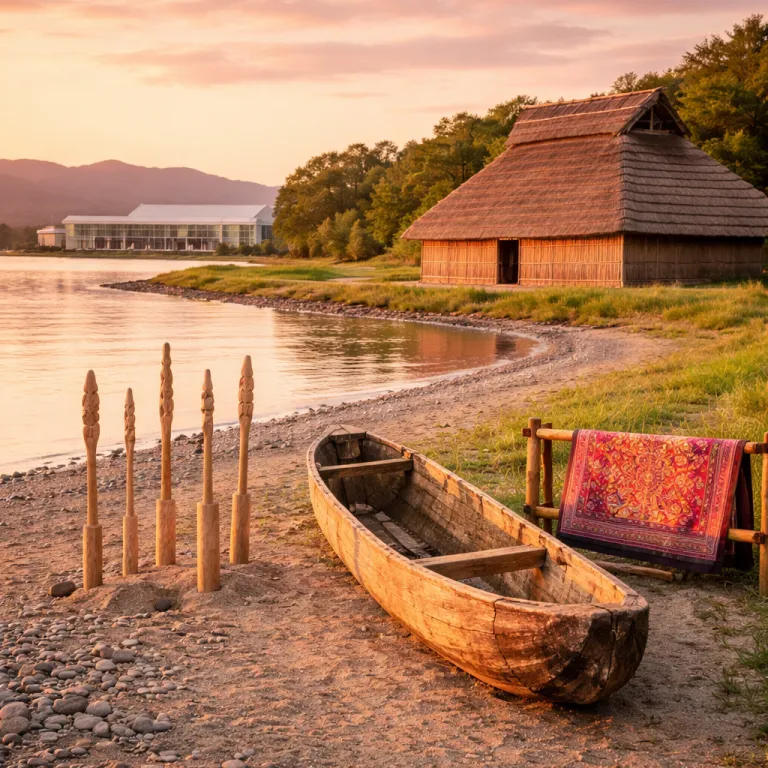
Upopoy National Ainu Museum and Park occupies a broad site above Lake Poroto, with a permanent exhibition hall, lakeside paths and reconstructed Ainu village spaces. Within the museum park, you move between galleries on Ainu history, outdoor performance stages and hands on workshops that explain traditional Ainu crafts. The setting in nature, with forested slopes and water views, reinforces how closely Ainu culture is tied to the land.
When choosing a hotel in Shiraoi, look for properties that provide English speaking staff trained in cultural courtesy. Some higher end stays arrange private transfers to Upopoy National, timed entry to the permanent exhibition and guided walks around Lake Poroto with local interpreters who can explain both Ainu history and current community life. At Kokorono Resort Umino Bettei Furukawa, for example, staff can help guests reserve museum programs in advance, while Hoshino Resorts Kai Poroto offers architecture and bathing areas inspired by traditional cise house forms and works with local experts on cultural briefings. These examples are based on information published by the properties themselves and by Upopoy’s official materials, and this kind of curated access turns a museum visit into a full day cultural immersion.
Japan national tourism policy increasingly highlights indigenous culture, yet not every hotel has caught up. We prioritise stays that partner directly with the Foundation Ainu organisations behind Upopoy, rather than simply referencing Ainu people in marketing copy. For a deeper perspective on why Hokkaido needs its own approach to tourism, read our analysis on why the island needs its own tourism playbook.
Well designed itineraries pair a day at the national Ainu museum with slow evenings back at your hotel. Think private onsen baths overlooking the lake, seasonal kaiseki menus that reference indigenous ingredients and small libraries with English and Japanese language books on culture Upopoy and Ainu history. This balance of comfort and context is what elevates a stay from pleasant to genuinely meaningful.
Lake Poroto, Lake Akan and the Ainu village experience
Once you have oriented yourself at Upopoy, the next step is to experience Ainu culture in living communities. Around Lake Poroto, smaller initiatives linked to the Foundation Ainu network host workshops on traditional Ainu embroidery, wood carving and music. Staying in a refined lakeside property here lets you move easily between museum park spaces and quieter cultural encounters.
Farther east, the Lake Akan region offers one of Hokkaido Japan’s most established Ainu village areas, known locally as a kotan. Here, Ainu people run craft ateliers, language classes and evening performances that present ceremonial dances and songs in a setting framed by nature and volcanic peaks. The best luxury hotels in the area now coordinate with these cultural venues, ensuring that guests experience Ainu performances as community led events rather than staged tourist shows.
When evaluating premium hotels around Lake Akan, pay attention to how they speak about Ainu culture in their materials. Properties that reference specific Ainu museum collaborations, name local artists or mention experience Ainu programs usually have deeper relationships with indigenous partners. For instance, Akan Yuku no Sato Tsuruga highlights its work with Akan Ainu Theater Ikor on performance access, while Lake Akan Tsuruga Wings promotes hands on craft sessions with resident carvers. These examples reflect information shared by the hotels and by the Akan Ainu kotan, and those that rely on vague references to “local culture” often treat Ainu history as an optional add on rather than a core narrative of the island.
Seasonality matters here, especially for solo travelers planning their own travel. In winter, snow muffles the lakefront Ainu village streets and performances move into warm indoor halls, while in summer, open air stages and lakeside craft markets come alive. For insight into which new properties are opening in these regions, see our guide to summer hotel openings across Hokkaido.
Throughout these areas, you will hear both Japanese and Ainu languages, with English interpretation increasingly available. Many visitors arrive from the United States and Europe specifically to engage with indigenous culture, not just to ski or soak in onsen. As one elder in the Akan kotan notes in a program leaflet, “When guests listen carefully, they become part of keeping our stories alive.” Choosing hotels that support this cultural infrastructure helps ensure that Ainu history and traditions remain visible, valued and economically sustainable.
Designing a respectful luxury itinerary around Ainu heritage
Thoughtful itineraries treat ainu culture hokkaido upopoy as a starting point, not a box to tick. Begin with at least half a day at the national Ainu museum, then add time in nearby forests, lakes and coastal areas where you can feel how Ainu spirituality is rooted in nature. From there, layer in guided visits to Ainu village communities and artisan studios across the island.
For solo travelers, the key is to balance independence with guided context. Book hotels that can arrange small group or private tours led by Ainu people, rather than generic guides who only repeat museum labels. Many of these experiences Ainu guides offer are available in Japanese and English, and some properties will help translate specific interests into tailored programs.
Respectful engagement also means understanding cultural courtesy norms. Ask before taking photographs of individuals or sacred objects, follow instructions during traditional Ainu ceremonies and purchase crafts directly from makers whenever possible. This approach aligns with the goals of Upopoy National, which was established to revive Ainu culture, educate wider society and foster cultural respect.
From a hotel booking perspective, look for concrete commitments rather than vague sustainability claims. Does the property host talks on Ainu history culture, commission artwork from local carvers or support language revival projects through the Foundation Ainu networks? These details matter more than lobby displays, and they signal that your stay contributes to the long term foundation of indigenous cultural life.
If you want to combine cultural immersion with time in Hokkaido’s wild landscapes, consider our curated itineraries for nature focused luxury escapes. These routes link Upopoy, Lake Akan and eastern Hokkaido’s coastal parks, pairing museum visits with quiet onsen nights and guided walks that highlight how Ainu history is written into the land. The result is a trip where every hotel night supports, rather than sidelines, indigenous heritage.
How hotels across Hokkaido can honour Ainu culture
For luxury and premium hotels, engaging with ainu culture hokkaido upopoy is no longer optional. Guests now expect properties across Hokkaido Japan to acknowledge that they operate on indigenous land and to reflect that in design, programming and partnerships. The most forward thinking general managers treat Ainu culture as a core narrative thread, not a seasonal campaign.
Architecturally, this might mean referencing traditional Ainu forms in subtle ways, such as carved wooden motifs or textiles inspired by ceremonial robes, while avoiding clichés. More important is the programming : talks by Ainu museum curators, seasonal menus that explain the role of salmon, deer and foraged plants in Ainu history, or small libraries with bilingual resources on culture Upopoy and national Ainu initiatives. These elements help guests understand that Ainu culture is contemporary and evolving, not frozen in time.
Operationally, hotels can partner with Upopoy National Ainu Museum and Park and regional Ainu village communities to co create experiences. This might include hosting press release style briefings on new exhibitions, supporting research through Foundation Ainu collaborations or offering staff training on cultural courtesy led by Ainu people themselves. Such initiatives build trust and ensure that indigenous voices shape how their own history is presented.
International guests, especially from the United States and Europe, often arrive with limited knowledge of Japan’s indigenous communities. Clear, respectful communication in English and Japanese about Ainu history, current issues and ways to support local initiatives can transform a stay into an education. When hotels take this role seriously, they become quiet but powerful extensions of the museum park and its mission.
Ultimately, the most compelling luxury stays on the island are those where national level service standards meet grounded cultural awareness. You leave not only with memories of perfect snow or calm lakes, but with a clearer sense of how Ainu culture, Japanese society and Hokkaido’s nature are intertwined. That is the kind of depth that keeps travelers returning, and it is the standard we use when recommending where you should stay.
FAQ
What does “Upopoy” mean and where is it located ?
The name Upopoy comes from the Ainu language and, as the institution itself explains, “Upopoy means 'singing together in a large group' in Ainu.” Upopoy National Ainu Museum and Park stands in Shiraoi Hokkaido, on the southern coast of Japan’s northern island. It overlooks Lake Poroto and serves as the national center for Ainu cultural preservation and education.
What can visitors do at Upopoy National Ainu Museum and Park ?
Visitors can explore a permanent exhibition that traces Ainu history, spirituality and daily life through artifacts, multimedia and contemporary voices. Outside the main museum, the park area includes reconstructed Ainu village spaces, performance stages and hands on workshops where you can learn about traditional Ainu crafts. Guided tours are available, and it is wise to check opening hours, ticketing details and any seasonal program changes on official Upopoy and Foundation for Ainu Culture information channels, then follow all cultural courtesy guidelines during your visit.
How can luxury travelers engage respectfully with Ainu culture ?
Start by visiting Upopoy to gain a solid grounding in Ainu history and current issues, then join guided experiences led by Ainu people in communities such as Lake Akan or Shiraoi. Choose hotels that partner with Ainu organisations, support language and craft initiatives and provide clear information in Japanese and English about appropriate behaviour at ceremonies or performances. Purchasing authentic crafts directly from makers and asking permission before taking photographs are simple but important ways to show respect.
Is Ainu culture only found in museums in Hokkaido ?
No, Ainu culture is very much alive in communities across Hokkaido Japan and beyond. While the national Ainu museum at Upopoy offers an essential overview, many of the most meaningful encounters happen in Ainu village settings, craft workshops and community led events. A well planned itinerary combines museum visits with time in nature and in towns where Ainu people are leading cultural revival efforts.
Do I need to speak Japanese to appreciate Ainu heritage experiences ?
Japanese language skills can deepen your understanding, but they are not essential for engaging with Ainu culture. Upopoy provides extensive information in English, and many guided programs in Shiraoi and Lake Akan now offer English interpretation or bilingual materials. When booking hotels and experiences Ainu focused, ask in advance about language support so you can choose options that match your comfort level.