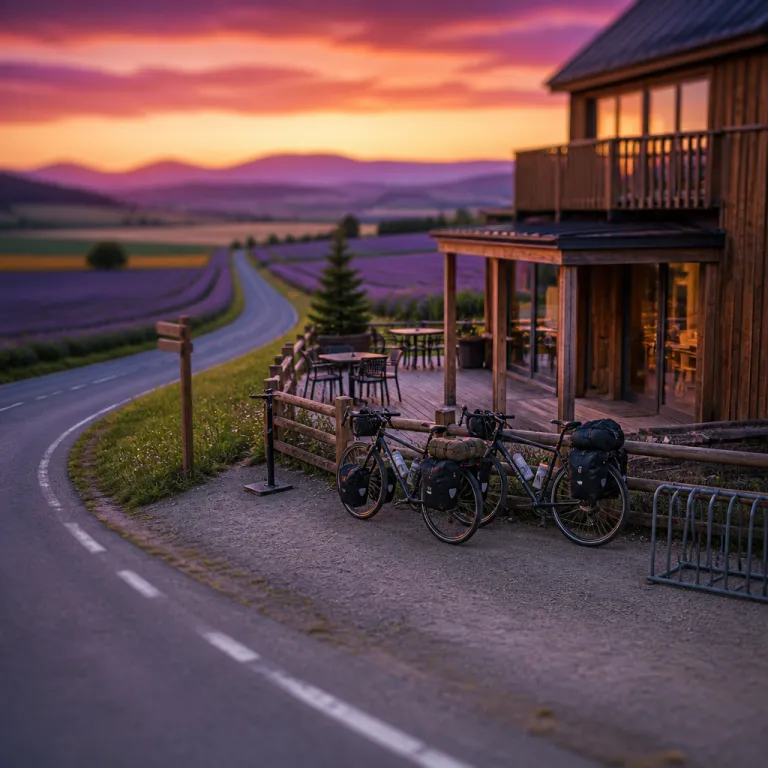
Why Hokkaido cycling routes feel made for relaxed luxury travel
Hokkaido sits at the top of Japan and feels like a different island entirely. Its wide roads, gentle traffic and long sightlines create cycling routes that many riders quietly rank alongside their favourite rides in Tuscany or Provence, especially when the view opens over patchwork fields or a glassy lake. For families planning a trip from the United States or elsewhere, the combination of refined hotels, calm roads and precise Japanese service makes a Hokkaido cycle holiday unusually easy to enjoy.
Summer temperatures hover around 22 to 25 °C, so the best time for relaxed cycling is the green season when the snow has retreated to distant peaks and the air stays cool. According to the Hokkaido Tourism Organization’s 2019 cycling tourism report (Hokkaido Tourism Organization, 2019), around 50,000 visitors chose the island for bike trips in a single season, which is significant for a region this sparsely populated. That low density means you spend more time hearing the wind in the rice fields than engines, a contrast to many parts of mainland Japan where national roads can feel intense.
For luxury travellers, the appeal is how easily Hokkaido bike routes pair with high end stays and thoughtful logistics. Local partners such as Cycling Hokkaido (Cycling Hokkaido, tour overview) arrange guided cycling and self guided tours, while luggage forwarding lets you ride light between hotels that understand early breakfasts, late check ins and secure bike storage. Their programmes range from classic road cycling tours to e bike based itineraries, so even guests new to cycle touring can join a tour in Hokkaido without worrying about fitness or technical gravel skills.
Furano, Biei and Otaru: beginner friendly routes with serious views
Central Hokkaido is where many guests fall in love with their first relaxed cycling route. Around Furano and Biei, rolling farmland and flower fields create rides that feel almost European, yet the view always includes a distant volcano or a perfectly aligned row of Japanese larch trees. Families can base themselves in an elegant resort or ryokan in Furano town, then ride gentle loops of 30 to 50 km over two or three days, returning each time to onsen baths and polished kaiseki dinners.
The famous Patchwork Road above Biei is ideal for relaxed Hokkaido cycling, with short climbs, quiet tarmac and constant panoramas over the island interior. A typical loop from Biei Station (start/finish near JR Biei Station, paved surface) runs roughly 35 to 40 km with around 400 to 500 m in elevation gain, enough to feel satisfying without exhausting newer riders. In summer season the fields shift from lavender to potatoes and wheat, so every trip feels different even on the same routes, and the air carries the scent of soil rather than city exhaust. For guests who prefer minimal effort, e bikes from local rental shops near Biei and Furano stations turn these hills into a soft glide, allowing more time for photography stops and ice cream breaks at farm cafés.
On the coast, Otaru offers a contrasting style of cycling in Japan, with a flat canal side path that suits younger children or jet lagged parents. You can ride from the restored warehouses along the harbour, then continue on a gentle shoreline route towards Zenibako (approximately 20 to 25 km one way on mixed cycle path and low traffic coastal road), watching fishing boats move across the bay. When you are ready to plan trip details for peak green season, pair these easy rides with the curated hotel list in the Hokkaido hotels to book now for peak summer guide, which highlights properties that understand cyclists’ early starts and late returns.
Lake Toya and Shakotan: coastal and lakeside circuits for confident riders
Once you are comfortable with shorter Hokkaido cycling routes, Lake Toya and the Shakotan Peninsula offer intermediate rides that still feel accessible. The classic Lake Toya circuit runs roughly 36 to 40 km around the caldera lake, with almost constant view lines to Mount Usu and the water, making it one of the most photogenic cycling routes on the island. Expect around 250 to 300 m of total elevation gain if you follow the lakeside road on smooth tarmac with generally light traffic. Many luxury hotels here provide lakeside rooms, onsen with outdoor baths and flexible dining times, so you can ride a full loop, soak, then sit down to dinner without watching the clock.
The Shakotan Peninsula, west of Sapporo, delivers a different mood with rugged cliffs and clear blue coves that some guests compare to the Mediterranean. A well paced bike tour along this coastal road typically covers 50 to 70 km in a day, with short climbs, sweeping descents and frequent viewpoints, yet traffic remains light compared with national roads near Japan’s largest cities. Confident riders can extend their trip over two days, staying in a refined ryokan or modern seafront hotel in towns such as Shakotan or Bikuni, while families might choose a shorter out and back cycling route to keep younger legs happy.
Both areas work well for guided cycling or self guided tours, depending on how much support you prefer. Local operators can arrange support vehicles, English speaking guides and even camping gear for guests who want a soft introduction to bikepacking without sacrificing a comfortable bed at night. For families balancing cycling with child friendly downtime, the curated stays in Hokkaido with kids family friendly luxury stays make it easier to align route length, pool access and early dinners.
Multi day touring, bikepacking and national park landscapes
Hokkaido rewards guests who stretch their cycling routes into multi day journeys, especially across the island interior. Cycle touring here feels spacious rather than extreme, with long valleys, gentle passes and frequent onsen towns that double as luxurious overnight stops. Riders interested in bikepacking can combine hotel nights with occasional camping, using lightweight camping gear while still enjoying Japanese hospitality most evenings.
Some of the most atmospheric routes trace the edges of national parks, where traffic thins and the landscape feels almost alpine. Around Daisetsuzan National Park, for example, Hokkaido cycling routes weave between volcanic peaks and river valleys, offering a sense of scale rare in more densely populated parts of Japan. You might ride one day along a quiet national road with distant snow still visible on ridgelines, then the next day roll through hot spring villages where steam rises beside your cycling route.
Eastern Hokkaido adds another layer, with wetlands and lakes that suit slower, contemplative tours. Around Lake Mashu and the Kushiro Shitsugen wetlands, cycling tours pass birch forests, boardwalks and viewpoints where the view stretches over marshland rather than mountains. Families or couples can structure a four to six days trip, alternating longer stages with rest days in onsen resorts, and those who prefer more structure can join organised tours Hokkaido wide through operators such as Cycling Hokkaido (Cycling Hokkaido, route examples), which offers both guided cycling tours and self guided options with luggage transfers.
Practicalities: rentals, safety and how to pair rides with luxury stays
Planning Hokkaido cycling routes as a visitor is easier than many expect, especially for English speaking guests. Major hubs such as Sapporo, Furano and Asahikawa host rental shops with road bikes, e bikes and sometimes gravel bikes, while tour operators coordinate bike tour logistics for those who prefer everything pre arranged. In Sapporo, for example, rental outlets near Sapporo Station and Odori Park provide advance reservations by email, and similar services operate around Furano Station and Asahikawa Station. The innovation that has changed access most is the widespread use of e bikes, which allows beginners to enjoy longer routes without worrying about every climb.
Local guidance on safety is straightforward yet essential for a smooth trip. Wear appropriate clothing, stay hydrated and follow local traffic rules, particularly on national roads where trucks may appear even in rural areas. Navigation apps work well across the island, but carrying a paper map for remote national park sections remains wise, and learning a few emergency Japanese phrases gives extra reassurance when you are far from Sapporo or other large towns.
Luxury travellers should think of their Hokkaido cycling as one layer in a broader itinerary built around food and hot springs. After a day on the bike, nothing matches slipping into an outdoor onsen while the evening air cools over the hills, and many high end properties now market cycling friendly services such as early breakfasts, laundry and secure storage. For a deeper look at pairing rides with thermal retreats, the detailed onsen guide on refined Hokkaido hot spring escapes helps you align specific cycling routes with particular ryokan and resort stays.
Seasonality, snow and how Hokkaido compares with European bike trips
The rhythm of Hokkaido cycling routes is defined by season, more than in many parts of Japan. From late spring to early autumn, the island offers cool air, long daylight and almost no humidity, which makes the best time for relaxed cycling very clear. As one official answer from the regional tourism board puts it, “Summer months (June to August) offer mild weather.”
In winter, the same geography that creates perfect cycling weather in summer transforms into a world of powder snow. Resorts such as Niseko and Furano become ski magnets, and while road cycling pauses, the memory of empty summer routes lingers beneath the snowpack. Many guests now plan trip patterns that combine a winter ski visit with a separate green season cycling tour, experiencing both sides of the island across different years rather than trying to force everything into one stay.
Compared with classic European destinations, Hokkaido offers fewer villages per kilometre but more uninterrupted landscape. You trade café lined lanes for long stretches of farmland, national parks and lakes such as Lake Toya or Lake Mashu, yet you still end each day in a hotel where Japanese hospitality feels as polished as any European grand dame. For families arriving from the United States, that blend of space, service and quietly spectacular view lines makes a Hokkaido cycle holiday feel both exotic and reassuringly organised.
Key figures for Hokkaido cycling tourism
- The Hokkaido Tourism Organization’s 2019 report (Hokkaido Tourism Organization, 2019) notes around 50,000 cycling visitors in a recent season, indicating strong growth in Hokkaido cycling compared with previous years when the activity was more niche.
- Cycling Hokkaido estimates that beginner friendly routes average about 40 to 60 km per day (Cycling Hokkaido, tour overview), a distance that suits families and new riders while still feeling rewarding for a full day trip.
- Summer temperatures typically sit between 22 and 25 °C across much of the island, which keeps Hokkaido cycling routes comfortable even during peak season when many parts of Japan experience higher heat and humidity.
- Multi day cycle touring itineraries commonly run three to six days, allowing time to link areas such as Furano, Biei and Lake Toya while staying in luxury hotels rather than relying solely on camping gear.
- Growing interest in eco tourism and bikepacking has encouraged more local partners, including Cycling Hokkaido and regional accommodations, to invest in guided cycling tours, e bike fleets and secure bike storage facilities.
FAQ about Hokkaido cycling routes and luxury stays
What is the best time of year to ride beginner friendly routes in Hokkaido ?
The most comfortable season for Hokkaido cycling routes is summer, when temperatures usually range from 22 to 25 °C and humidity stays low. Regional experts state clearly that “Summer months (June to August) offer mild weather.” Outside this window, spring and autumn can still work for experienced riders, but snow and shorter days make winter unsuitable for road cycling.
Are bike rentals and guided cycling tours easy to arrange in English ?
Yes, major hubs such as Sapporo, Furano and Asahikawa host rental shops with staff who can communicate in basic English, especially around popular cycling routes. Tour operators like Cycling Hokkaido specialise in guided cycling tours and self guided packages, providing maps, support vehicles and luggage transfers. Booking ahead is wise in peak season, particularly if you need e bikes, gravel bikes or child sized frames.
Do I need to be an experienced cyclist to enjoy Hokkaido routes ?
No, many Hokkaido cycling routes are designed specifically for beginners and families, with gentle gradients and low traffic. Official guidance confirms that “Do I need to be an experienced cyclist? No, routes are designed for beginners.” E bikes further reduce the effort, allowing mixed ability groups to ride together while still enjoying the landscape and hotel facilities at each stop.
How can I combine cycling with luxury hotels and onsen experiences ?
The easiest approach is to base yourself in one or two regions such as Furano, Biei or Lake Toya, then ride day loops that start and finish at the same property. Many high end hotels now offer early breakfasts, laundry and secure storage tailored to Hokkaido cycling guests, and onsen baths provide a natural recovery ritual after each ride. For more linear trips, luggage forwarding services let you move between resorts without carrying heavy bags, which is especially helpful for families and guests new to bikepacking.
What should I pack for a multi day cycling trip in Hokkaido ?
For a typical three to six days itinerary, bring lightweight cycling clothing for variable weather, a compact rain jacket, gloves and basic tools, while leaving bulky camping gear at home unless you specifically plan to camp. Most luxury hotels supply amenities, sleepwear and laundry services, so you can travel with fewer casual outfits and focus on ride essentials. Helmets, lights and repair kits are sometimes available from local partners, but serious riders usually prefer to bring their own for familiarity and fit.