Is the Chubu region right for your trip?
Snowy peaks above Toyama Bay, cedar forests around Takayama, the quiet sprawl of Nagoya at night – the Chubu region of Japan is less talked about than Tokyo or Kyoto, yet it often suits thoughtful travelers better. You come here for contrast. Mountain and sea, historic streets and efficient modern city, hot springs and design-forward hotels that still feel unmistakably Japanese.
For a first stay in Japan, the Chubu region works best as a central chapter between Tokyo and Kansai or between Honshu and Kyushu Okinawa. Distances are manageable, the rail network is excellent, and you can book a sequence of very different stays without ever feeling rushed. One night you wake up to a city view over Nagoya Station; two days later you are soaking in hot springs with snow on the rocks outside.
Travelers who value space, quieter streets and a sense of discovery tend to appreciate this area most. If you want neon overload and constant crowds, look elsewhere. If you prefer a refined retreat with access to mountains, sea and centuries-old towns, the Chubu region is a strong choice.
Understanding Chubu’s key areas: Nagoya, Takayama, Hokuriku
On the map, the Chubu region stretches across central Honshu, from the Pacific coast of Aichi Prefecture to the Sea of Japan along the Chubu Hokuriku corridor. In practice, most visitors focus on three hubs. Nagoya anchors the area as a major city, Takayama opens the door to the Hida mountains, and the Hokuriku coast links Kanazawa, Toyama and small onsen towns facing the sea.
Nagoya sits roughly halfway between Tokyo and Osaka on the Tokaido Shinkansen, which makes it an easy stop even on a short itinerary. Tokyo–Nagoya by bullet train takes about 90 minutes; Osaka–Nagoya is around 50 minutes, based on JR Central timetable averages. The city’s businesslike surface hides pockets of character – backstreets around Osu Kannon, for instance, or the quiet residential lanes south of Hisaya-odori Park. For many travelers, this is the most practical base in the Chubu region, especially if you are arriving or departing via Chubu Centrair International Airport in Aichi.
Takayama, by contrast, feels almost rural once you step off the train. Wooden merchant houses, morning markets along the Miyagawa River, and narrow streets that empty early in the evening create a very different rhythm. The limited express Hida train from Nagoya to Takayama takes roughly 2 hours 20 minutes, with beautiful views of river gorges and forested slopes along the way. Hokuriku – the coastal band including Kanazawa – adds yet another layer: refined gardens, contemporary museums, and winter seafood pulled straight from the cold sea.
What to expect from hotels in the Chubu region
In Chubu, hotel choice is less about star ratings and more about the balance between Japanese character and international comfort you personally want. In Nagoya and other larger cities, you will find contemporary high-rise properties with clean-lined rooms, efficient service and wide city views. These work well for one or two nights when you need easy access to trains or the airport and prefer a predictable, polished environment.
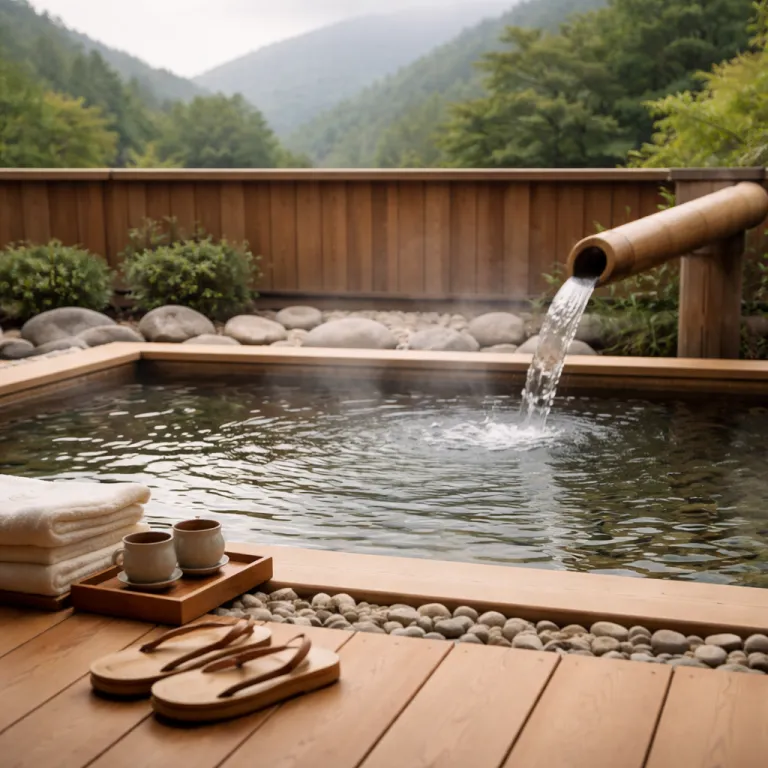
Move into the mountains around Takayama or deeper into the Chubu Hokuriku area and the mood changes. Here, many stays revolve around hot springs, seasonal kaiseki dinners and tatami rooms where you sleep on futons rather than beds. The most memorable properties often feel like a retreat rather than a simple place to sleep, with architecture that frames the surrounding forest or river rather than the skyline.
Along the Sea of Japan coast, expect a mix of traditional ryokan-style inns and low-rise modern hotels facing the water. Rooms may open onto small balconies or picture windows that catch the changing light over the sea, especially in winter when the weather turns dramatic. Across the region, design tends to be understated rather than flashy, with natural wood, stone and paper screens used to soften the lines of newer buildings.
Nagoya and Aichi: urban bases and airport convenience
Step out of Nagoya Station on the Sakura-dori side and you immediately understand why many travelers choose this city as their Chubu base. Towers rise above the tracks, taxis line up in disciplined rows, and within a few minutes’ walk you can reach a dense cluster of business hotels and more upscale properties. For a short stay, this area offers the most convenient access to Shinkansen platforms and local trains across Aichi and the wider region.
To match that convenience, several top city hotels cluster within about 300–600 m of the station. Typical examples include mid-range business hotels with compact Western-style rooms, larger full-service properties with city-view doubles and twins, and a handful of luxury floors offering suites that look out over the lights of Nagoya. Expect most rooms in this area to be around 15–30 m², with price bands ranging from budget-friendly business stays to higher-end city retreats.
Those flying into or out of Chubu Centrair International Airport often prefer to spend a night closer to the terminals. The airport sits on an artificial island south of Nagoya, connected by rail in around 30 minutes, and the surrounding area has seen a clear rise in airport-focused accommodation over the past years. These hotels tend to prioritise smooth arrivals and departures: quick check-in, early breakfasts, and layouts that work well for travelers with luggage.
If you have more than a transit night, consider shifting at least one stay into central Nagoya. The Sakae district, roughly 2 km east of Nagoya Station along Hirokoji-dori, offers a more walkable environment with shopping, dining and easy tram access. From here, day trips fan out across the Chubu region – north towards Gifu, east into the mountains, or south along the coast – without sacrificing the comfort of returning to a well-equipped city hotel each evening.
Takayama, thatched roof villages and mountain retreats
Morning mist over the Miyagawa River, the smell of grilled Hida beef skewers near Sanmachi Suji, and the crunch of snow underfoot in winter – Takayama rewards travelers who slow down. Hotels here often lean into the idea of a mountain retreat, with onsen baths, low lighting and rooms that open onto inner gardens or wooded slopes. You come not just to sleep, but to soak, linger and watch the weather change.
From Takayama, many visitors continue to the beautiful thatched roof houses of nearby historic villages, where steep thatched roof farmhouses stand in sharp contrast to the glass and steel of the city. Staying in Takayama rather than in the villages themselves usually offers more comfort and choice, while still allowing easy day trips by bus. It is a trade-off: more atmosphere and quiet at night in the countryside, or better facilities and dining options in town.
Compared with coastal Hokuriku or urban Nagoya, this area feels more seasonal. Deep snow in winter, fresh green in late spring, and clear, cool nights in autumn all shape the experience. When you book a hotel here, pay close attention to whether rooms are Western-style or Japanese-style, whether hot springs are on-site, and how far the property sits from Takayama Station – a 15-minute walk on icy streets can feel much longer after a long travel day.
Hokuriku and Kanazawa: sea views, hot springs and culture
On the Sea of Japan side, the Hokuriku coast offers a different kind of stay. In and around Kanazawa, hotels often balance access to cultural sites with a quieter, residential feel. You might step out of your lobby and be on Kenrokuen’s outer paths within 15 minutes, or wander through the Nagamachi samurai district before breakfast, then return to a room that looks out over tiled roofs and narrow streets rather than high-rise towers.
Further along the coast, small onsen towns specialise in hot springs and seafood. Here, the most desirable rooms face the sea, with large windows framing the horizon and the sound of waves carrying into the evening. Properties in these areas tend to be more self-contained: you dine on-site, soak on-site, and treat the hotel itself as the destination rather than just a base for city exploration.
Compared with the more urban parts of the Chubu region, Hokuriku stays feel slower and more introspective. They suit travelers who are happy to spend long stretches inside the property, reading between baths or watching the weather roll in from the sea. If your wider itinerary also includes the southern islands of Kyushu Okinawa, this northern coast offers a satisfying counterpoint – hot but humid beaches there, bracing sea air and winter storms here.
How to choose and what to check before you book
Deciding where to stay in the Chubu region starts with one question: what do you want to wake up to? A city skyline over Nagoya, a river in Takayama, or the Sea of Japan in Hokuriku. Once you know that, the rest becomes a matter of fine-tuning. Urban hotels work best for efficient rail connections and structured sightseeing days; mountain and coastal retreats excel when you want to slow down.
Before you book, verify a few concrete points. Check the exact walking distance from the nearest station in metres, not just “close to the station”, especially in winter when the air can be very cold and the streets icy. Confirm whether rooms are Western-style with beds or Japanese-style with futons, and whether the property offers private baths in addition to shared hot springs if you value privacy.
It also helps to think in terms of a sequence rather than a single stay. Many travelers pair one or two nights in Nagoya or another city in Aichi with several nights in Takayama or along the Hokuriku coast, creating a rhythm between urban energy and quieter retreat. The Chubu region rewards this kind of layered itinerary, where each hotel offers a distinct view – of the city, the mountains or the sea – and together they form a coherent journey across central Japan.
Is the Chubu region of Japan a good place to stay for a first-time visitor?
Yes, the Chubu region works very well for first-time visitors who want a balanced view of Japan beyond the biggest cities. You can combine an efficient urban base in Nagoya with more atmospheric stays in Takayama or along the Hokuriku coast, experiencing both traditional streets and contemporary city life. Rail connections are strong, distances are manageable, and the mix of mountains, sea and historic districts offers a clear sense of place without overwhelming you.
How many days should I plan in the Chubu region?
A focused visit to the Chubu region usually deserves at least four to six days. That allows one or two nights in a city such as Nagoya for easy train access, plus several nights in a mountain or coastal area like Takayama or Hokuriku for hot springs and slower exploration. With a week or more, you can comfortably add Kanazawa or another Sea of Japan town and still keep travel days relaxed.
Where is the best area to stay in Chubu for hot springs?
The strongest concentration of hot spring-focused stays lies in the mountains around Takayama and in small onsen towns along the Hokuriku coast facing the Sea of Japan. Mountain properties often pair forest views with outdoor baths, while coastal inns highlight sea views and seafood dinners after your soak. If hot springs are your priority, choose a hotel that clearly identifies itself as an onsen property and check whether it offers both indoor and open-air baths.
Is Nagoya a good base for exploring the Chubu region?
Nagoya is an excellent base for travelers who value convenience and connectivity. The city sits on the main Shinkansen line, offers direct access to Chubu Centrair International Airport in Aichi, and connects by rail and bus to Takayama, Gifu and the wider region. Staying near Nagoya Station or in the Sakae district makes day trips straightforward while still giving you the comfort and services of a major Japanese city.
How does the Chubu region compare with Kyushu or Okinawa for a Japan trip?
The Chubu region offers mountains, hot springs and a mix of city and countryside, while Kyushu and Okinawa focus more on warmer climates, volcanic landscapes and beaches. If you prefer cooler air, alpine scenery and traditional towns such as Takayama or Kanazawa, Chubu is the stronger choice. Travelers seeking tropical seas, coral reefs and a hot, humid climate will find Kyushu Okinawa more aligned with their priorities, so the decision comes down to whether you want snow and cedar forests or palm trees and sand.
