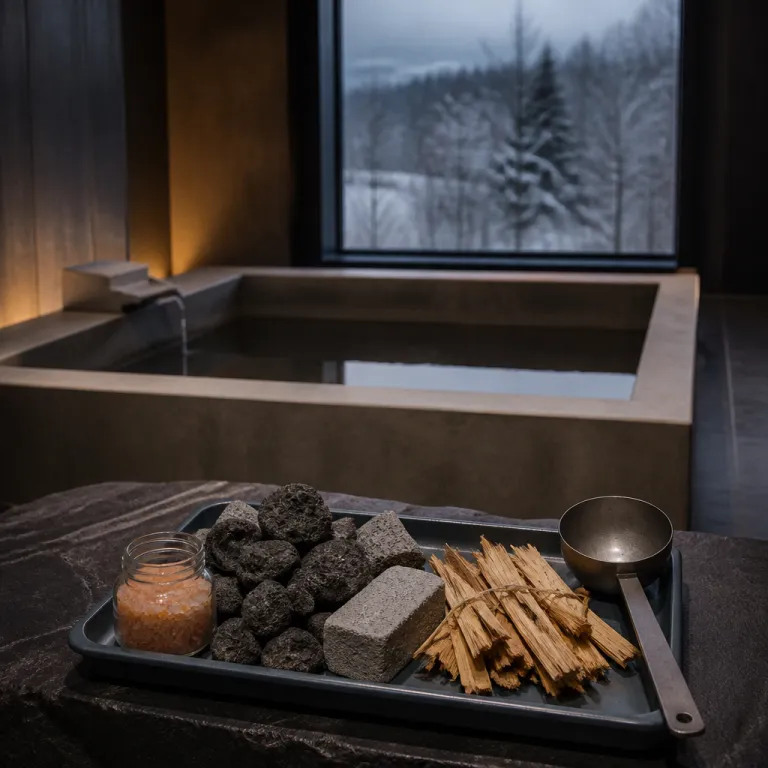
From communal ritual to in-room sanctuary in onsen Hokkaido
In Hokkaido, the classic onsen experience once meant a steaming public bathhouse where people eased into hot spring pools under cedar ceilings. Luxury travelers now ask for something more private, and the region’s best hotel and ryokan properties are quietly rewriting the rules of how couples stay and soak. This shift sits at the heart of the private onsen room Hokkaido hotel trend, where the bath is no longer an amenity but the focal point of the room.
Across the island, a growing number of high-end onsen hotel addresses now feature at least some rooms open to the landscape with their own hot spring baths. Regional tourism and transport bureau summaries from the early 2020s point to just over twenty properties explicitly advertising in-room rotenburo or open-air tubs, a figure that has risen steadily since the late 2010s even if exact counts vary by survey. Hokkaido’s top hotels are renovating suites, carving out open-air terraces and installing onsen room layouts that frame a lake, a forest or a snowfield as carefully as any artwork. The methods are straightforward — renovating rooms, installing private baths and marketing privacy features — but the impact on how couples book and stay is profound.
Hot spring culture here has always been social, yet the post shared bath era is defined by choice rather than rejection of tradition. A hotel private bath lets you bathe together, linger longer and ignore the clock, while the public onsen downstairs still offers that low murmur of conversation and the etiquette of shared spring baths. As one Japan Tourism Agency briefing on inbound travel trends notes, many properties “have introduced private-use baths to better meet guest expectations for privacy and comfort,” a sentiment that neatly captures why these rooms have become so sought after.
For American couples planning a stay, this means the first thing to check is no longer only the star rating or whether breakfast dinner is included. You now need to confirm which rooms open to a view, whether the in-room rotenburo is fed by true hot spring water and how many minutes it takes to walk from your room to the larger baths. When you see a rate quoted in usd per night, read the small print carefully to see if that private onsen is guaranteed or only available in higher room categories; on recent winter dates, for example, several Lake Toya resorts listed standard rooms from around 250–300 usd while suites with open-air tubs started closer to 450 usd, based on sample checks of major booking engines.
Designing the private open air bath as landscape frame
The most interesting private onsen projects in Hokkaido treat water, air and light as architectural materials. Instead of hiding the onsen room in a corner, designers now push the hot spring tub to the edge of the terrace, turning it into an open-air stage facing a lake or a mountain ridge. The result is a private soaking experience where the room, the baths and the landscape read as a single composition.
On the shores of Lake Tōya, WE Hotel Toya by Dusit Collection has taken this idea to its logical extreme with dozens of rooms, each equipped with its own open-air rotenburo overlooking the caldera lake. The hotel’s 2024 fact sheet describes guestrooms that draw natural hot spring water and open toward the lake with floor-to-ceiling glass, emphasizing that every stay includes a private tub with a view. Here, every onsen suite is a front row seat to shifting weather, from low cloud to crisp winter air that makes the hot water feel almost electric. Couples can book a lake-facing room, slide open the glass and move from tatami to tub in three steps, never losing sight of the water outside or the steam rising from their own baths.
Further inland, around Jozankei Onsen in the hills above Sapporo, several onsen hotel properties now offer rooms open to the forest canopy, where the only sound is wind and the occasional raven. Local tourism board listings show that more than a dozen accommodations in this valley now advertise guestroom open-air baths or semi open-air tubs, even if the exact tally shifts as new renovations come online. These hotels understand that for many people, the luxury is not marble but silence, and that a private onsen framed by cedar and snow can feel more indulgent than any chandelier. When you check options here, pay less attention to the star rating and more to whether the hot spring bath is truly open air or enclosed behind a small window.
Couples planning a circuit of Hokkaido’s highlights often pair these mountain stays with coastal nights in Otaru or Hakodate, using a private onsen suite or in-room rotenburo as an anchor for slower days. If you are mapping out such a route, it is worth reading an insider guide to Otaru’s backstreets and Meiji era banks to balance long soaks with excellent sushi and evening walks. The design thesis remains the same wherever you go; the best rooms use water and view to create a frame that makes you forget the clock.
Lake Toya, Lake Shikotsu and the rise of neo-tōji resorts
Hokkaido’s lakeside resorts are where the neo-tōji philosophy feels most fully realized. Around Lake Toya, a handful of onsen hotel and ryokan properties now combine serious wellness programming with rooms that feature private onsen tubs facing the caldera’s still water. Here, the old tōji idea of staying for days to take repeated spring baths is reimagined as a long weekend of slow meals, guided stretches and unhurried soaks.
At Lake Shikotsu, the water is famously clear, and several resort style hotels have leaned into that purity with minimalist rooms open to the lake and air baths that blur the line between balcony and rotenburo. Couples can book a lake view room, enjoy breakfast dinner featuring local seafood and then retreat to their own hot spring tub as the evening mist rises. Rates in this area often start from a few hundred usd per night for an entry level onsen room, climbing higher for suites where the baths sit almost at water level; recent online booking snapshots showed winter weekend prices for private bath rooms ranging from roughly 320 to 600 usd depending on view and meal plan.
On the southern coast, properties such as the refined oceanfront onsen stay at Heiseikan Shiosaitei in Hakodate show how a hotel private bath can coexist with expansive public onsen facilities. The hotel’s official materials note that several guestroom categories include open-air rotenburo facing the Tsugaru Strait, while the main bathing area downstairs offers large indoor and outdoor pools with different mineral profiles. You might spend sunset in your own open-air tub listening to waves, then head downstairs later to experience larger spring baths with different temperatures and mineral compositions. This dual structure lets people choose privacy or sociability each evening, rather than committing to one or the other for the entire stay.
One of the most established names in this space is the Tsuruga Resort group, which operates several onsen Hokkaido properties around lakes and forests with a strong focus on wellness. Group brochures highlight a mix of guestroom open-air baths, large communal rotenburo and relaxation lounges stocked with herbal teas and reading nooks. Their hotels often feature both rooms open to the elements with private onsen and generous public onsen zones, plus lounges where you can rest between soaks. When you check availability and book, look closely at whether your chosen room category includes a hot spring fed tub or only access to shared baths, as the price difference in usd per night can be significant.
Privacy, tattoos and the balance with public onsen culture
For many international couples, the appeal of a private onsen room Hokkaido hotel is as much about etiquette as romance. Traditional public onsen spaces are usually gender separated, fully nude and governed by quiet, unwritten rules that can feel intimidating on a first visit. An in-room hot spring bath removes that pressure, letting two people bathe together, talk freely and adjust the water as hot or as cool as they like.
Tattoo policies are another powerful driver of demand for private onsen facilities, especially for guests from the United States where body art is common. A widely cited 2015 survey by the Japan Tourism Agency reported that more than half of ryokan and hotels with hot springs restricted visible tattoos in shared baths, a pattern that still shapes guest behavior today even as some rules soften. Some properties now clearly label themselves as tattoo friendly, allowing inked guests to use both their hotel private bath and certain public onsen areas without issue. Others maintain stricter rules in shared baths but quietly suggest that guests with tattoos book rooms with private onsen so they can still enjoy the hot spring water in comfort.
This does not mean the communal experience is disappearing; the most thoughtful onsen hotel operators in Hokkaido design for both privacy and connection. A typical layout might include a wing of rooms open to the landscape with individual onsen tubs, plus large indoor and open-air baths downstairs where people can experience the full rhythm of Japanese bathing culture. Couples can start the evening in the public onsen to feel that shared steam and low conversation, then retreat to their own room for a final soak under the night air.
When you check options, pay attention to how each property describes its baths, not just the star rating or the headline rate in usd. Look for clear notes on whether tattoos are accepted in public onsen areas, whether the onsen room uses true hot spring water and whether any air baths or saunas are included. The best hotels are transparent, listing which rooms open to private tubs, which baths are mixed gender or gender separated and how long the hot spring facilities stay open each night.
How to choose and book the right private onsen room
Selecting the right private onsen room Hokkaido hotel starts with understanding a few key terms. Kakenagashi means the hot spring water flows directly from the source without recirculation, which many aficionados consider the gold standard for spring baths. If a property highlights kakenagashi in its onsen room descriptions, you can expect fresher water and a more traditional Japanese approach to bathing.
Next, consider the balance between indoor and open-air soaking, especially if you are traveling in deep winter when the air can drop well below freezing. Some rooms open onto terraces with partially sheltered air baths, giving you the thrill of snowflakes hitting your shoulders while the water stays hot around your chest. Others keep the private onsen fully indoors but add large windows facing a lake or forest, which can be more comfortable for people sensitive to cold air.
Price is another practical filter, and here the spread in usd per night can be wide even within the same resort. Entry level rooms without private baths might start at a relatively modest rate, while suites with hotel private rotenburo and guaranteed lake views can cost several times more. A recent check of major booking engines for peak ski season showed some Hokkaido resorts listing standard rooms from under 200 usd while top tier onsen suites exceeded 700 usd per night. When you book, always check whether breakfast dinner is included, as many onsen Hokkaido properties operate on a half board model that turns the stay into a seamless rhythm of meals and baths.
For couples planning a multi stop itinerary, it can help to anchor the trip around two or three standout onsen hotel stays and fill the gaps with city nights. A resource like the nature escapes in Hokkaido luxury hotel guide is useful for cross checking which regions pair well with each other. Remember that approximately two dozen hotels across the island now offer some form of private onsen rooms, so with careful research and early booking you can usually align your preferred view, budget in usd and desired level of privacy.
FAQ
Are private onsen rooms in Hokkaido more expensive than regular rooms ?
Yes, private onsen rooms in Hokkaido generally cost more than standard rooms in the same hotel or ryokan. The premium reflects the installation and maintenance of a hot spring fed tub in your own room, plus the extra privacy couples value. You should expect to pay a noticeable supplement in usd per night, especially for rooms open to strong views such as Lake Toya or Lake Shikotsu.
How many hotels in Hokkaido offer private onsen rooms ?
Current industry data and regional tourism listings indicate that around two dozen properties across Hokkaido now feature some form of private onsen room category. These range from intimate ryokan style stays to larger resort hotels with both public onsen and in-room baths. Availability can be limited during peak seasons, so it is wise to book early if a private onsen is essential to your stay.
Why are hotels in Hokkaido adding more private onsen options ?
Hotels are responding to a clear shift in guest preferences toward privacy, flexibility and couple friendly bathing. Many international visitors feel more comfortable starting with a hotel private bath before trying a public onsen, and tattoo friendly policies are easier to manage in in-room tubs. As one industry Q&A aimed at inbound travelers puts it, “Are private onsen rooms more expensive? Yes, they typically cost more than standard rooms,” but guests are willing to pay for the added comfort.
Can guests with tattoos use onsen facilities in Hokkaido ?
Policies vary by property, but private onsen rooms are usually accessible to guests with tattoos because they are not shared spaces. Some onsen hotel and resort operators now label certain baths as tattoo friendly, while others restrict tattoos in public onsen but encourage affected guests to book rooms with private tubs. Always check each hotel’s tattoo policy before confirming your reservation.
What should couples check before booking a private onsen room ?
Couples should confirm whether the in-room tub uses true hot spring water, whether it is open air or fully enclosed and how the view aligns with their priorities. It is also important to check if breakfast dinner is included, how late the baths stay open and whether there is still access to larger public onsen areas. Reading detailed room descriptions and recent guest feedback will help ensure the private onsen room Hokkaido hotel you choose matches your expectations.