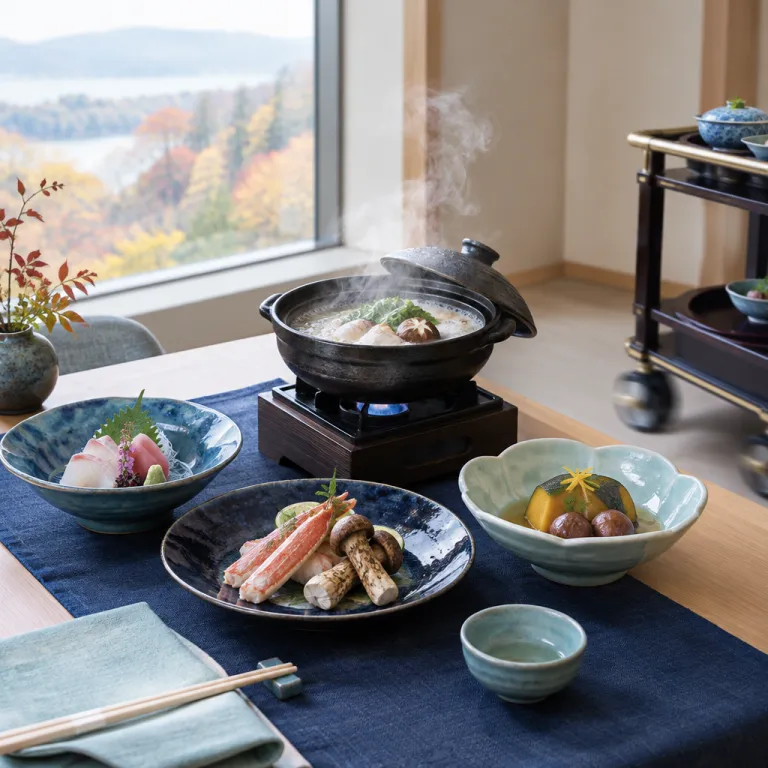
Hokkaido kaiseki in autumn: how the harvest shapes every course
Autumn kaiseki in Hokkaido is where the island’s harvest becomes narrative. A traditional Japanese kaiseki meal here moves from mountain to sea in a precise seasonal course sequence, each plate served as a quiet chapter in the story of the colder months. For couples planning a luxury stay in Japan, this style of dinner is often the most intimate way to understand Hokkaido beyond the ski slopes.
Classic kaiseki in Japan grew out of Kyoto kaiseki traditions, yet Hokkaido’s chefs now reinterpret those Kyoto roots with northern produce and sharper light. You still recognise the multi course structure of a Japanese kaiseki dinner, but the ingredients, the bowls, and even the miso soup feel anchored in volcanic soil, cold seas, and long evenings. In luxury hotel restaurants and ryokan, the most thoughtful kaiseki dinner menus are planned months ahead, with each meal served to echo the exact moment of autumn you are tasting.
Expect a progression that respects traditional Japanese aesthetics while leaning into the island’s bold flavours. A typical kaiseki course might open with a clear rice soup scented with local herbs, then move to soup sashimi combinations where salmon and sea urchin reflect the shoreline at dusk. By the time the final bowl of rice and miso soup is served, the entire kaiseki meal has traced a path from forest mushrooms to dairy rich desserts that only Hokkaido can claim.
Star ingredients of autumn: salmon, sea urchin and the quiet luxury of the harvest
Autumn in Hokkaido means salmon runs, glowing ikura, and dense root vegetables. In the hands of a skilled chef, a seasonal kaiseki dinner becomes a study in restraint, where each bowl or plate lets one ingredient speak clearly. Luxury hotel restaurants near Sapporo and Jozankei often build their signature kaiseki dinner around these seasonal anchors, then frame them with exquisite Japanese ceramics and candlelit private rooms.
Sea urchin from the cold Hokkaido coast appears repeatedly in Japanese cuisine at this time, sometimes as a single spoonful, sometimes folded into rice or layered over soup sashimi compositions. A traditional Japanese kaiseki course might pair sea urchin with grilled salmon and a light rice soup, the meal served in a lacquered bowl that mirrors the autumn sky. When you book a stay at an onsen property such as Jozankei Daiichi Hotel Suizantei, the kaiseki restaurant often highlights these ingredients in a private room, where served tea and the sound of the river frame the experience.
Matsutake style mushrooms, kabocha squash, and Hokkaido potatoes give depth to the kaiseki course structure, especially in simmered dishes and rice preparations. You might taste a banquet kaiseki style spread where one course is a simple bowl of rice topped with ikura, followed by miso soup enriched with local dairy butter. For couples, this kind of Japanese kaiseki dinner feels both luxurious and grounded, a meal served slowly enough that you can trace each flavour back to the fields and fishing ports outside.
How luxury hotels and ryokan curate autumn kaiseki experiences
Luxury hotels across Hokkaido now treat seasonal kaiseki dining as a signature experience rather than a generic half board meal. At ski focused properties such as Club Med Tomamu, the main restaurant may offer a kaiseki inspired course for dinner, while more traditional ryokan lean into full Japanese kaiseki menus with private rooms and tatami seating. The key difference lies in how closely the chef works with local producers and how precisely the kaiseki course mirrors the surrounding landscape.
In many onsen ryokan, the kaiseki meal is served in your private room, with each course arriving at a measured pace that matches the rhythm of the hot spring stay. A typical autumn kaiseki dinner might begin with a small bowl of soup sashimi, then move to grilled fish, simmered vegetables, and rice soup, all presented as traditional Japanese cuisine but with a distinctly northern accent. At higher end hotels, couples can request details of the reservation in advance, specifying whether they prefer a banquet kaiseki style spread in a dining room or a quieter kaiseki course in a more private setting.
Some properties now offer both lunch and dinner kaiseki options, which is useful if you plan long day trips or nature excursions. A shorter kaiseki lunch might feature fewer courses but still include sea urchin, salmon, and a carefully balanced miso soup, while the full evening kaiseki dinner extends into a longer meal served with paired drinks and served tea. When evaluating Japanese kaiseki offerings on a booking site, look for mentions of seasonal menus, local sourcing, and whether the kaiseki restaurant can adapt the course for dietary needs without losing the essence of Japanese cuisine.
The room, the ritual and the role of tea in kaiseki
The setting matters as much as the plate in an autumn Hokkaido kaiseki meal. A private room with shoji screens, low lighting, and a view of maples or river stones turns a kaiseki meal into a quiet ceremony for two. In many luxury hotels, couples can choose between intimate private rooms and more open dining spaces, with the reservation specifying the preferred atmosphere.
Traditional Japanese hospitality weaves tea into the rhythm of the evening, even when a formal tea ceremony is not part of the programme. You might be welcomed with served tea before the first kaiseki course, then finish the meal with a different tea served in a hand thrown bowl that reflects the season. In some properties, a separate tea ceremony experience is available before or after your kaiseki dinner, allowing you to see how Japanese kaiseki and tea culture evolved together from Kyoto to Hokkaido.
Within the meal itself, the choreography is deliberate, from the first soup sashimi pairing to the final rice soup and miso soup combination. Each dish is served at a specific temperature and timing, with the chef often adjusting the kaiseki course slightly for each private table. Couples who appreciate exquisite Japanese design will notice how the bowls, lacquer trays, and ceramics change with each course, echoing the colours of autumn leaves, sea urchin, and the darker evenings outside.
Planning and booking: how to secure the best autumn kaiseki dinners
For international couples using a luxury hotel booking website, the key to enjoying Hokkaido’s autumn kaiseki is early and precise reservation planning. Many of the best kaiseki restaurant experiences in Hokkaido are limited to a small number of guests each night, especially when private rooms or in room service are involved. When you make a hotel reservation, always check whether a kaiseki dinner is included, optional, or must be booked as a separate kaiseki course with its own details in the reservation.
Look for booking pages that clearly describe the kaiseki meal structure, the number of courses, and whether the menu is focused on Japanese cuisine with strong Hokkaido sourcing. If the hotel offers both lunch and dinner, consider a kaiseki lunch on days when you plan to explore nature, then a longer banquet kaiseki style dinner on evenings when you stay close to the onsen. For inspiration on pairing your meals with landscapes, the guide to nature escapes in Hokkaido helps match specific regions with properties known for strong Japanese kaiseki programmes.
When contacting the hotel, ask directly about sea urchin availability, salmon quality, and how the chef adapts the kaiseki course as autumn progresses. Clarify whether the meal is served in a shared dining room or a private room, and whether miso soup, rice soup, and dessert are included as separate courses. Couples with dietary restrictions should request written confirmation that the kaiseki dinner can be adjusted without losing the essence of traditional Japanese flavours, especially if they avoid raw fish or specific shellfish.
Etiquette, pacing and how to actually eat a kaiseki meal
Once you have secured your reservation, understanding the flow of an autumn kaiseki dinner in Hokkaido will help you relax into the experience. A kaiseki meal is not a rushed dinner but a carefully paced sequence, where each course is served only after the previous bowl or plate has been cleared. Expect staff to explain the components of each dish, especially when Japanese ingredients or techniques may be unfamiliar.
Start by tasting each element of the soup sashimi or rice soup courses separately before mixing flavours, as this respects the chef’s intention. When miso soup and rice are served near the end of the kaiseki course, they signal the closing of the savoury portion of the meal, not an afterthought. Tea often returns at this point, with served tea framing the transition from savoury Japanese cuisine to a lighter dessert that might feature Hokkaido dairy or seasonal fruit.
In terms of etiquette, it is acceptable to ask staff to repeat explanations or clarify how a particular kaiseki dinner course should be eaten. Couples seated in private rooms may feel more comfortable asking detailed questions about Japanese kaiseki traditions, from Kyoto kaiseki influences to why certain bowls are used for sea urchin or rice. The goal is not rigid formality but a respectful engagement with traditional Japanese hospitality, where your curiosity about the meal served is part of the dialogue between guest and chef.
Pairing autumn kaiseki with your wider Hokkaido stay
Hokkaido’s autumn kaiseki dining becomes even more meaningful when you align it with the landscapes you explore during the day. A kaiseki dinner featuring river salmon, mountain mushrooms, and dairy rich rice soup feels different after a hike through Daisetsuzan or a drive along the Shakotan coast. Couples who plan their itinerary around both nature and Japanese cuisine often find that each kaiseki meal serves as an edible map of where they have been.
Some travellers choose to experience Kyoto kaiseki before flying north, then compare how Japanese kaiseki evolves when it reaches Hokkaido’s colder climate. In Kyoto, a kaiseki restaurant might emphasise delicate mountain vegetables and refined tea ceremony aesthetics, while in Hokkaido the same traditional Japanese framework holds bolder flavours like sea urchin, salmon, and miso soup enriched with local dairy. Experiencing both singular and plural expressions of kaiseki meals across Japan gives couples a deeper sense of how regional identity shapes each course.
When reviewing hotel options, prioritise properties that treat the kaiseki dinner as a core part of their identity rather than a generic add on. Look for mentions of seasonal menus, private rooms, and close collaboration between the chef and local producers, especially for autumn courses. Over several nights, you will begin to recognise patterns in how the meal is served, from the opening soup sashimi to the final bowl of rice, and that familiarity becomes part of the pleasure.
Key figures on autumn kaiseki and Hokkaido dining
- Regional tourism offices in Japan consistently highlight food and Japanese cuisine experiences as a primary motivation for international visitors, with Hokkaido frequently cited for its seafood and seasonal menus.
- Surveys by the Japan National Tourism Organization indicate that many overseas travellers who stay in traditional ryokan in Japan choose at least one kaiseki dinner during their trip, with coastal regions such as Hokkaido ranking among the most popular for seafood focused kaiseki meals.
- Industry reports on Japanese fine dining suggest that seasonal menus, including autumn kaiseki courses, can increase average dinner spend compared with non seasonal set menus in upscale properties.
- Analyses of Japanese kaiseki restaurants show that venues offering private rooms and detailed reservation options for dietary needs tend to see higher repeat bookings, particularly among couples and small groups seeking intimate dining.
FAQ about Hokkaido kaiseki in autumn
What makes Hokkaido kaiseki in autumn different from other seasons ?
Autumn kaiseki in Hokkaido focuses on salmon, ikura, sea urchin, mushrooms, and root vegetables at their peak. Chefs design each kaiseki course around these ingredients, often pairing them with Hokkaido dairy and rice soup or miso soup that reflect the colder evenings. The result is a richer, more layered expression of Japanese cuisine than in lighter spring or summer menus.
Do I need a reservation for a kaiseki dinner at my hotel ?
For most luxury hotels and ryokan in Hokkaido, a reservation is essential for kaiseki dinners, especially in autumn when demand is high. Many properties require guests to confirm their kaiseki meal at least several days in advance, including details of the reservation such as dietary needs and whether they prefer a private room. Booking early through the hotel or a trusted luxury booking website ensures access to the full seasonal course.
Can kaiseki meals accommodate dietary restrictions or preferences ?
Many high end kaiseki restaurants and hotel dining rooms can adapt the kaiseki course for dietary restrictions, but only with advance notice. Guests who avoid raw fish, shellfish, or specific ingredients should communicate this clearly when making the reservation, ideally in writing. While some elements of traditional Japanese kaiseki may be adjusted, chefs aim to preserve the overall balance and seasonal narrative of the meal.
Is kaiseki only available as dinner, or can I book it for lunch ?
While kaiseki is most commonly offered as dinner, an increasing number of luxury hotels and ryokan in Hokkaido now serve shorter kaiseki lunches. These lunch courses usually feature fewer dishes but still highlight key autumn ingredients such as salmon, sea urchin, and seasonal vegetables. Couples who plan full day excursions may find a kaiseki lunch a practical way to experience Japanese kaiseki without committing to a long evening meal.
How should I budget for an autumn kaiseki experience in Hokkaido ?
Pricing varies widely, but autumn kaiseki dinners in luxury hotels and top kaiseki restaurants in Hokkaido typically sit in the higher range of Japanese dining. Guests should expect to pay a premium for seasonal ingredients like sea urchin and for the privacy of a dedicated room or in room service. When comparing options, consider whether the price includes multiple courses, served tea, and service charges, and remember that the kaiseki meal is often the highlight of a stay rather than a simple dinner.