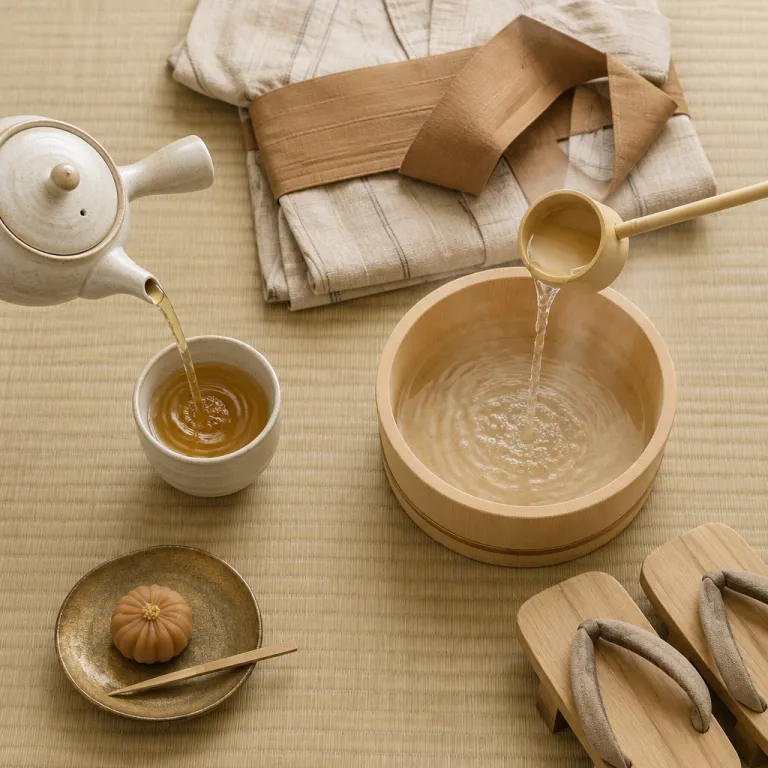
Jozankei Yurakusoan within Hokkaido’s luxury onsen landscape
Jozankei Yurakusoan sits in the forested Jozankei onsen valley, less than 30 km from central Sapporo. This intimate ryokan in Hokkaido offers a calm property where the focus stays firmly on hot spring culture and discreet service. For travellers comparing luxury stays across Hokkaido, jozankei yurakusoan balances authentic ryokan traditions with modern comforts that international guests quietly expect.
The property belongs to the refined end of the ryokan Hokkaido spectrum, with a limited number of room types and a strong emphasis on private baths. Each room at Jozankei Yurakusoan is designed so that guests can move seamlessly between the sleeping area, the bathroom, and the onsen inspired spring bath without feeling rushed. You feel the difference immediately at the front entrance, where the front desk staff handle check in while you sit with free tea or a welcome tea coffee service rather than stand in a queue.
Many travellers choose Jozankei as a base because the valley offers easy access to Sapporo while still feeling like deep countryside. Jozankei onsen water is rich in sodium chloride and hydrogen carbonate, and local residents value the hot spring baths for easing fatigue after winter driving or mountain hikes. At Jozankei Yurakusoan, the onsen yurakusoan pools use this same hot spring source, so guests experience the same mineral rich water that made the area famous among Hokkaido residents.
Room categories, beds, and in room comforts
Rooms at Jozankei Yurakusoan are arranged to feel more like a private retreat than a standard hotel layout. A typical twin room offers two generous beds, a low seating area, and sliding doors that separate the sleeping space from the room hot spring bath zone. In larger categories such as the deluxe twin rooms, beds are often positioned to face mountain views, so guests wake to forested slopes rather than city streets.
Every room at this ryokan in Hokkaido includes a room safe, a mini fridge, and a compact area for tea coffee preparation. Free tea is usually provided alongside a kettle, cups, and sometimes a small selection of local sweets, which encourages guests to slow down and enjoy the quiet. Bed sheets and towels are typically changed daily unless you request an eco friendly schedule, and fresh bed sheets are always provided for new arrivals to maintain a consistently high standard of cleanliness.
Bathrooms vary by category, but even the most modest room includes a well lit bathroom with separate wet area and dry dressing space. In rooms with a private onsen, the bathroom connects directly to the spring bath terrace, so guests can shower thoroughly before stepping into the hot water as Japanese bathing etiquette requires. For travellers used to Western hotels, the combination of a deep bath, a hot spring fed tub, and a separate shower area can feel unusual at first yet quickly becomes a highlight of the stay.
Onsen, private baths, and open air soaking rituals
The heart of Jozankei Yurakusoan is its onsen, where the natural hot spring water is piped directly into indoor and open air pools. Public baths are separated by gender and follow traditional Japanese rules, including full washing before entering the hot water and no swimming or splashing. For many guests, the quiet steam, the scent of hinoki wood, and the view of trees or snow from the open air baths create a deeper sense of Hokkaido than any city attraction could offer.
Travellers who prefer more privacy can reserve rooms with private onsen facilities, which allow completely private baths at any time of day or night. These private onsen tubs are usually positioned near windows or on small terraces, so guests can enjoy mountain views while soaking in hot spring water without leaving their room. The combination of a private spring bath, a comfortable bed, and a silent corridor outside makes these rooms especially popular with couples and solo travellers seeking uninterrupted rest.
Luxury focused travellers often compare Jozankei Yurakusoan with larger resort style properties elsewhere in Hokkaido, such as the refined winter luxury at Club Med Tomamu described in this in depth Tomamu resort guide. While big resorts offer extensive facilities and family focused activities, this ryokan property prioritises quiet onsen time and personalised service. If your priority is a deep hot spring experience rather than a full scale resort program, the smaller scale of onsen yurakusoan style stays will likely feel more aligned with your expectations.
Understanding water temperature, etiquette, and health considerations
Hot spring baths at Jozankei Yurakusoan are usually maintained between 40 °C and 42 °C, which feels hot but not scalding for most healthy adults. Guests who are new to onsen culture should enter slowly, sit rather than stand, and limit their first soak to around ten minutes to allow the body to adjust. If the water feels too hot, you can step out, cool down in the washing area, and then return for a shorter second soak.
Staff at the front desk are used to explaining onsen etiquette in English, including rules about towels, hair, and photography. The property maintains a clear non smoking policy in and around the public baths, and smoking is usually restricted to designated outdoor areas away from the onsen buildings. This approach keeps the air around the spring bath areas clean, which many guests with sensitivities or respiratory issues appreciate.
Travellers with medical conditions should consult a doctor before using hot springs, especially if they have heart issues or low blood pressure. While the mineral rich water of Jozankei onsen is valued for easing muscle tension and improving circulation, the combination of heat and relaxation can feel intense for some people. If you feel light headed or unwell, leave the bath immediately, drink water, and rest in a cool area until you feel stable again.
Service, safety, and non smoking policies at the property
Service at Jozankei Yurakusoan follows the omotenashi tradition, where staff anticipate needs quietly rather than interrupting guests with constant offers. The front desk usually operates as a 24 hour front reception, so late arrivals from Sapporo or New Chitose Airport can still check in without stress. During busy seasons, staff may ask for approximate arrival times in advance, which helps them schedule room preparations and onsen cleaning more efficiently.
Safety standards at this ryokan in Hokkaido align with modern Japanese regulations, and each room includes a clearly marked room safe for passports, cash, and small electronics. Emergency exits are signposted in English and Japanese, and information about earthquakes or fire procedures is provided in guest folders or on the back of room doors. While Japan is generally considered safe, using the room safe and locking your room when you leave remains a sensible habit for all travellers.
The property enforces strict non smoking rules inside rooms, corridors, and shared lounges, with smoking limited to specific outdoor corners. This non smoking approach protects the quality of bed sheets, curtains, and tatami flooring, and it keeps the air fresh for guests with allergies or asthma. If you book a non smoking room and someone in your party smokes, it is important to use the designated areas to avoid cleaning fees and to respect other guests.
What is provided in rooms and how housekeeping works
Standard amenities provided in each room at Jozankei Yurakusoan include yukata robes, slippers, toiletries, and basic skincare items. A mini fridge is available for personal drinks or snacks, and some rooms include complimentary bottled water alongside the free tea and coffee making set. The combination of a mini fridge, a kettle, and a small table allows guests to create a simple in room tea coffee ritual between onsen sessions.
Housekeeping usually services rooms daily unless you request reduced cleaning for environmental reasons, which some guests prefer during longer stays. Fresh bed sheets, towels, and amenities are provided as needed, and staff will remove used yukata or extra blankets if they become damp from onsen use. If you require extra pillows, additional beds for children, or specific items such as a humidifier, it is best to contact the front desk in advance so the team can prepare the room accordingly.
For travellers concerned about hygiene, it helps to know that Japanese ryokan properties typically follow rigorous cleaning routines. Public onsen areas are scrubbed and rinsed multiple times per day, and the hot water in the spring baths is constantly refreshed according to local regulations. Guests are also expected to wash thoroughly before entering any shared bath, which significantly reduces the amount of soap or sweat entering the hot spring water.
Location, access, and pairing Jozankei with wider Hokkaido highlights
Jozankei Yurakusoan is located in the upper Toyohira River valley, about an hour by bus or car from central Sapporo. This makes the property an appealing first or last stop on a Hokkaido itinerary, especially for travellers flying in or out of New Chitose Airport. Many guests choose to spend their first night in the city, then transfer to Jozankei for two nights of hot spring rest before continuing to ski resorts or national parks.
From Jozankei, it is relatively straightforward to reach destinations such as Niseko, Otaru, or the southern coast by rental car or private transfer. Travellers interested in historical towns often combine a stay at this ryokan in Hokkaido with a journey to Matsumae, the island’s only remaining castle town, which is explored in detail in this guide to Hokkaido’s only castle town and samurai gateway. By pairing a hot spring focused stay at Jozankei Yurakusoan with cultural stops and coastal drives, you gain a more rounded sense of Hokkaido’s geography and history.
Winter travellers often appreciate that roads between Sapporo and Jozankei are well maintained, though snow tyres and cautious driving remain essential. In green seasons, the same route becomes a scenic drive with river views, forested slopes, and occasional wildlife sightings. Whether you arrive by bus or car, it is wise to check the latest transport schedules and weather forecasts, as mountain conditions can change quickly.
Planning day trips and seasonal activities from Jozankei
During autumn, the hills around Jozankei onsen turn vivid shades of red and gold, and many guests time their stay at Jozankei Yurakusoan to coincide with peak foliage. Short hikes along the river or visits to nearby viewpoints can easily be combined with morning and evening soaks in the onsen yurakusoan baths. In winter, snowshoe walks, light up events, and day trips to nearby ski areas offer gentle activity between long sessions in the hot spring pools.
Spring brings cherry blossoms to lower elevations and lingering snow to higher passes, creating a striking contrast that photographers enjoy. Guests who stay at this ryokan in Hokkaido during spring often split their days between exploring Sapporo’s parks and returning to their private baths before dinner. Summer tends to be cooler than much of mainland Japan, which makes Jozankei a comfortable base for hiking, cycling, and river activities.
When planning your itinerary, consider how many nights you want to dedicate to pure relaxation versus sightseeing. A common pattern is two nights at Jozankei Yurakusoan, followed by several nights in other regions such as Furano, Biei, or the Shiretoko Peninsula. This balance allows you to enjoy both the calm of a hot spring property and the wider landscapes that make Hokkaido such a compelling destination.
Comparing Jozankei Yurakusoan with other Hokkaido stays
For travellers browsing luxury and premium hotel booking websites, it helps to understand how Jozankei Yurakusoan compares with other Hokkaido options. Large ski resorts in Niseko or Rusutsu often prioritise slope access, international dining, and family friendly facilities, while this ryokan property focuses on quiet onsen time and Japanese style meals. If your main goal is to ski from dawn to dusk, a slopeside hotel may suit you better, but if you want to slow down and immerse yourself in hot spring culture, Jozankei onsen has a clear advantage.
Nature focused travellers sometimes pair a stay at Jozankei Yurakusoan with time in eastern Hokkaido, where wetlands and wildlife take centre stage. Planning a winter trip around red crowned cranes, for example, becomes easier with resources such as this guide to Kushiro wetland lodges to book before winter arrives. In that scenario, Jozankei serves as a comfortable stop near Sapporo before or after a more remote wildlife focused journey.
When comparing properties, pay attention to whether rooms include private onsen facilities or only access to shared baths. At Jozankei Yurakusoan, categories such as the deluxe twin or certain twin room layouts offer private baths with mountain views, which can significantly change the feel of your stay. If you value privacy, the ability to soak in a hot spring bath without leaving your room may justify a higher nightly rate compared with standard rooms that rely solely on shared facilities.
Room types, pricing considerations, and what matters most
Room types at this ryokan in Hokkaido typically range from compact twin rooms with shared public onsen access to larger suites with open air private onsen tubs. The deluxe twin category often includes more generous beds, better mountain views, and sometimes a larger bathroom with a deeper spring bath. When comparing prices across booking platforms, check whether meals, taxes, and onsen access are included, as Japanese properties often bundle services differently from Western hotels.
For couples, a room with a private onsen and a comfortable bed can feel like a complete retreat, especially when combined with in room tea coffee and a quiet non smoking environment. Families may prefer rooms where extra beds can be added or where the layout allows parents to soak in the hot spring while children sleep nearby. Solo travellers often find that even the smallest room at Jozankei Yurakusoan feels generous compared with city business hotels, thanks to the inclusion of a mini fridge, a room safe, and thoughtful amenities provided by the property.
Ultimately, the best value comes from matching your priorities with the right room type rather than chasing the lowest rate. If onsen time is central to your trip, investing in a room hot spring or private baths will likely deliver more satisfaction than spending the same amount on external excursions. By focusing on what you will actually use, you can choose between different beds, bathroom layouts, and onsen access levels with confidence.
Practical tips for booking and staying at Jozankei Yurakusoan
When booking Jozankei Yurakusoan through a luxury or premium hotel website, start by checking whether your preferred dates fall on weekends, public holidays, or peak foliage periods. Rates often rise during these times, and rooms with private onsen or the most desirable mountain views can sell out quickly. If your schedule is flexible, consider midweek stays, which may offer better availability and a quieter atmosphere in the public baths.
Before confirming your reservation, review the property’s policies on smoking, children, and dietary requirements. Some ryokan properties limit the number of young children in certain room types, especially where open air baths or steep steps are involved, and Jozankei Yurakusoan may follow similar guidelines for safety reasons. If you have allergies or specific food preferences, contact the front desk in advance so the kitchen can adjust the kaiseki style meals or suggest alternative dishes.
Payment and cancellation terms can vary between booking platforms and direct reservations, so read the conditions carefully. Flexible rates usually cost more but allow changes if your travel plans shift, while advance purchase offers may be cheaper but non refundable. For international guests, it can be reassuring to book through a platform that provides customer support in your language while still respecting the property’s own rules and traditions.
Maximising comfort during your stay
On arrival, take a few minutes to familiarise yourself with the room layout, including the location of the room safe, the mini fridge, and the controls for heating or cooling. Check that the bed sheets, pillows, and extra blankets suit your preferences, and contact the front desk early if you need adjustments. If you plan to use the onsen frequently, set aside a small bag for carrying towels and toiletries between your room and the baths.
Many guests find that alternating between hot spring soaks, short walks outside, and quiet time in their room creates a natural rhythm. Keeping hydrated is essential, so make use of the free tea and water provided, and consider light snacks between meals rather than heavy food immediately before a hot bath. If you are sensitive to heat, try shorter soaks in the hot spring followed by cool showers, and avoid alcohol before entering the baths.
On departure day, allow enough time to settle your bill, return room keys, and check the room safe and mini fridge for forgotten items. Staff at Jozankei Yurakusoan are accustomed to arranging taxis or advising on bus schedules back to Sapporo, so ask the front desk for help if needed. Leaving with a clear understanding of your onward route will help you carry the calm of the onsen experience into the rest of your Hokkaido journey.
Key figures and trends in Hokkaido luxury stays
- According to the Japan National Tourism Organization, Hokkaido welcomed over 6 million international visitors in the most recent pre pandemic year, with a significant share drawn by hot spring and ski experiences.
- Data from the Hokkaido Government’s tourism department shows that onsen areas such as Jozankei, Noboribetsu, and Tokachigawa consistently rank among the top domestic getaway choices for residents of Sapporo and Tokyo.
- Surveys by the Japan Ryokan and Hotel Association indicate that more than half of international guests now prioritise rooms with private baths or private onsen access when booking higher end ryokan stays.
- Industry reports from the Japan Tourism Agency highlight that average daily rates for luxury properties in Hokkaido have risen faster than mid range hotels, reflecting growing demand for premium experiences such as open air hot spring baths and mountain view suites.
Frequently asked questions about Jozankei Yurakusoan and Jozankei onsen
How many nights should I stay at Jozankei Yurakusoan ?
Most travellers find that two nights at Jozankei Yurakusoan offer enough time to enjoy multiple hot spring sessions, unhurried meals, and at least one short excursion. A single night can feel rushed, especially after a long flight or train journey. For deeper rest, three nights allow you to alternate between onsen time and day trips to Sapporo or nearby viewpoints.
Is Jozankei Yurakusoan suitable for non Japanese speakers ?
Yes, staff at the front desk are accustomed to assisting English speaking guests and can explain onsen etiquette, meal times, and transport options clearly. Written information in rooms often includes English translations for safety instructions and basic amenities. While not every staff member may be fluent, patience and simple phrases usually make communication smooth.
Are children allowed at Jozankei Yurakusoan ?
Policies can change, so it is essential to check current rules when booking, but many ryokan properties in Hokkaido welcome children with some room type restrictions. Families should request rooms where extra beds or futons can be added safely and where access to open air baths is secure. Parents are responsible for supervising children in all onsen areas, as hot water and slippery floors require extra care.
What should I wear and bring to the onsen ?
At Jozankei Yurakusoan, as in most Japanese hot springs, guests bathe nude and do not wear swimsuits in the onsen. You can wear the provided yukata and slippers from your room to the baths, carrying a small towel and toiletries in a basket or bag. Lockers or shelves are usually available for clothing, and valuables should be left in the room safe rather than brought to the bathing area.
How does Jozankei Yurakusoan compare with city hotels in Sapporo ?
City hotels in Sapporo often prioritise compact rooms, business facilities, and easy access to shopping or nightlife, while Jozankei Yurakusoan focuses on spacious rooms, hot spring baths, and quiet surroundings. If you want restaurants and bars at your doorstep, a central Sapporo hotel may suit you better. If your priority is relaxation in a natural setting with onsen access, this ryokan in Hokkaido offers a more immersive experience.