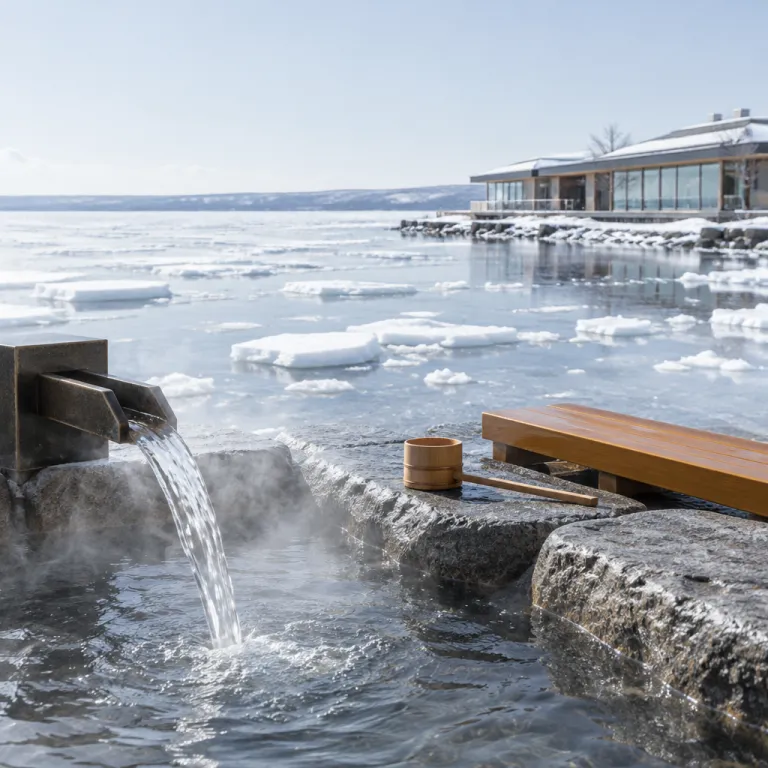
Abashiri in eastern Hokkaido for refined travelers
Abashiri in eastern Hokkaido offers a rare mix of wild nature and discreet luxury. In this coastal city on the Sea of Okhotsk, premium hotels frame vast horizons of ice, lake and forest that feel almost cinematic. For travelers planning a high end stay in Japan, Abashiri rewards those who value space, silence and authentic local experiences.
The location of Abashiri is strategic for slow travel across northern Japan. You can arrive at Memanbetsu Airport in under one hour from Sapporo, then reach Abashiri Station or the central bus terminal in about 25 minutes by taxi or local bus services. This easy access means you can enjoy remote feeling drift ice landscapes without sacrificing time or comfort during a short itinerary.
Luxury hotels in Abashiri lean toward understated Japanese design rather than ostentatious glamour. Many properties overlook Lake Abashiri or the Sea of Okhotsk, with large windows framing the seasonal drift ice or summer greenery. High end rooms often feature private onsen style baths, tatami spaces and carefully curated local art that reference Okhotsk heritage and the surrounding landscape.
For travelers comparing regions in Hokkaido, Abashiri stands apart from ski focused resorts. While Niseko and Furano excel for downhill slopes, this coastal city is better for drift ice cruises, lakeside walks and cultural visits such as the Abashiri Prison Museum. This balance of nature, history and calm city life makes the area ideal for couples, mature travelers and families seeking quieter experiences in Japan without crowds.
Pricing for premium stays in Abashiri is generally lower than in Sapporo or Niseko. Many five star level rooms with lake or sea views start from the equivalent of several tens of thousands of yen per night, often including refined kaiseki dinners based on local seafood. This strong value for money allows you to allocate more of your budget to private excursions, chartered bus transfers or guided nature tours.
When planning, consider the rhythm of the seasons around the city. Winter brings the famous drift ice to the Sea of Okhotsk, while spring and autumn highlight the lakeside park scenery around Lake Abashiri and Lake Notoro. Summer is ideal for longer drives across eastern Hokkaido, linking Abashiri with Shiretoko, Akan Mashu National Park and other nature rich areas of Japan.
Seasonal luxury: drift ice, lakes and coastal panoramas
Winter in Abashiri is defined by the arrival of drift ice on the Sea of Okhotsk. From January to March, sheets of ice press against the coast, creating a white horizon that you can admire from hotel lounges, onsen terraces or dedicated drift ice cruises. Many luxury properties time their seasonal menus and spa rituals to this natural spectacle, turning the harsh climate into a highlight of refined tourism.
Guests often combine a stay in Abashiri with ski focused trips elsewhere in Hokkaido. For travelers planning premium ski holidays, it is worth exploring a curated guide to refined ski areas in Hokkaido before adding this coastal city as a contrasting extension. This pairing lets you enjoy powder snow in central Hokkaido, then shift to the quieter sea and lake landscapes around Abashiri for recovery and cultural immersion.
On clear winter days, luxury hotels facing the Sea of Okhotsk offer panoramic views of both ice and sky. Some arrange private transfers from Abashiri Station or the main bus terminal to drift ice cruise piers, ensuring seamless movement even in deep snow. High end concierges can also coordinate English speaking guides who explain the science of drift ice, the ecology of whales and dolphins and the cultural meaning of local Okhotsk history.
Outside winter, the focus shifts from ice to water and greenery. Lake Abashiri and Lake Notoro become calm mirrors for sunrise canoeing, lakeside park picnics and gentle cycling routes that suit guests of all ages. Many hotels provide rental bicycles or can arrange private drivers, so you can move between Omagari lakeside viewpoints, lakeside park trails and Sea of Okhotsk lookouts without worrying about local bus schedules.
Summer and autumn also bring rich wildlife experiences around Abashiri. Offshore cruises sometimes encounter whales and dolphins in the wider Sea of Okhotsk, while inland wetlands host migratory birds and seasonal flowers. Luxury travelers can request tailored experiences Japan style, such as private photography tours at dawn or sunset, with pick up directly from their hotel lobby.
For those who value privacy, villas and high end holiday houses near the city offer another layer of comfort. These stays often combine large living spaces, full kitchens and onsen baths with concierge style services that rival top hotels. They work particularly well for multi generational families or small groups who want to share the drift ice and lake scenery while keeping flexible schedules.
Access, transfers and how to arrive in comfort
Reaching Abashiri is straightforward when you understand the main gateways and transfer options. Most luxury travelers arrive via Memanbetsu Airport, which offers frequent domestic flights from Sapporo and Tokyo and efficient baggage handling. From the airport, private cars, taxis and scheduled bus services connect you to Abashiri Station, the central bus terminal and major hotels within about half an hour.
Rail travelers often approach eastern Hokkaido via limited express trains from Sapporo or Asahikawa, enjoying long views of rural nature along the way. Abashiri Station sits close to the city center, and many premium hotels offer complimentary shuttles or can arrange chauffeured transfers on request. If your property does not provide this, station taxis are reliable, and hotel concierges can pre book them so your arrival feels seamless.
Within the city, movement between key attractions is easy to organize with a mix of local bus routes, taxis and private drivers. The main bus terminal acts as a hub for routes to the prison museum, Lake Abashiri, Lake Notoro and the Omagari lakeside area. Luxury travelers who prefer not to navigate timetables can ask their hotel to coordinate point to point transfers, often bundled with guided tours or restaurant reservations.
Many visitors combine Abashiri with other refined stays across Hokkaido. When planning a broader itinerary, it is helpful to consult a specialist platform for elegant accommodation in Sapporo during the snow festival season, then extend the route eastward. This structure lets you enjoy urban Japanese dining and shopping before transitioning to the quieter rhythms of the Sea of Okhotsk coast.
Driving remains a popular option for guests who value flexibility and scenic routes. Car rentals are available at Memanbetsu Airport and in larger Hokkaido cities, and roads to Abashiri are generally well maintained, though winter ice requires caution. Hotels can provide parking, weather updates and route suggestions that link the city with Shiretoko, Akan Mashu and other nature focused destinations in eastern Japan.
For travelers who prefer sustainable tourism practices, public transport in and around Abashiri offers a lower impact alternative. The local bus network, regional trains and organized tours reduce the need for individual cars while still reaching highlights such as the prison museum, lakeside park areas and Sea of Okhotsk viewpoints. Many high end properties now promote these options, aligning luxury stays with responsible travel values.
Culture, history and the Abashiri prison museum
Abashiri is widely known for its historical prison, which shaped the city’s early development. The former Abashiri Prison complex has been transformed into a detailed open air museum that explains how inmates built roads and infrastructure across Hokkaido. Visiting this site offers a sobering yet essential perspective on how the region’s harsh climate, ice and isolation influenced Japanese history.
The prison museum sits a short drive from central Abashiri, and many hotels arrange guided visits with transport included. Exhibits show reconstructed cells, workspaces and daily life, while outdoor sections reveal how prisoners labored in deep snow and freezing winds. Luxury travelers often appreciate private tours here, which allow more time for questions and reflection away from larger groups.
Modern Abashiri balances this difficult past with a vibrant local culture rooted in the Sea of Okhotsk and surrounding nature. Restaurants highlight seafood from nearby waters, seasonal vegetables and dairy from inland farms, often presented in refined kaiseki or modern Japanese tasting menus. High end hotels curate these dining experiences carefully, pairing them with regional sake and wines that complement the cold climate cuisine.
Art and design also play a growing role in local tourism. Some properties commission works that reference drift ice, whales and dolphins or the changing colors of Lake Abashiri and Lake Notoro. Others collaborate with craftspeople to showcase textiles, ceramics and woodwork that reflect both Ainu heritage and contemporary Japanese aesthetics.
Travelers who enjoy festivals should pay attention to seasonal events coordinated by the local tourism association. In winter, the Abashiri City Tourism Association often supports drift ice related celebrations, ice sculptures and night illuminations that add atmosphere to the city. During warmer months, lakeside park areas and Omagari lakeside spaces host smaller cultural gatherings, food stalls and performances that feel intimate rather than crowded.
For those planning multi stop itineraries, it can be helpful to work with platforms that curate holiday houses and refined stays in Hokkaido. These services understand how to link Abashiri with Sapporo, ski resorts and national parks, ensuring that cultural visits such as the prison museum fit smoothly between more leisurely days by the lake or sea. This integrated approach turns a simple hotel booking into a coherent narrative across northern Japan.
Nature, wildlife and omagari lakeside serenity
Nature is the quiet star of any luxury stay in Abashiri. Beyond the headline drift ice, the region offers gentle landscapes of lake, forest and wetland that invite slow exploration. Many high end hotels and villas are positioned to overlook Lake Abashiri, Lake Notoro or the wider Sea of Okhotsk, allowing guests to experience changing light from dawn to dusk.
The Omagari lakeside area is particularly appealing for travelers seeking calm walks and soft scenery. Paths wind through lakeside park spaces, with benches and viewpoints that frame both lake and distant mountains in eastern Hokkaido. In spring and autumn, these routes become ideal for photography, birdwatching and quiet contemplation, far from the busier city centers of Japan.
Wildlife experiences around Abashiri extend from the shore to the open sea. Offshore cruises sometimes encounter whales and dolphins in the Sea of Okhotsk, especially during migration periods, while coastal wetlands host swans and other birds. Luxury travelers can request private boats or small group tours, often with hotel arranged transfers from Abashiri Station or the bus terminal to the harbor.
Inland, forests and hills near the city offer hiking and snowshoeing routes suitable for different fitness levels. Guides with deep knowledge of local nature explain how drift ice influences marine ecosystems, how lakes like Lake Abashiri and Lake Notoro support fisheries and how climate patterns shape life across Hokkaido. These experiences Japan style blend education and relaxation, appealing to guests who value depth as much as comfort.
Many properties now integrate wellness concepts that draw directly from the surrounding environment. Onsen baths use mineral rich waters, spa treatments incorporate seaweed or salt from the Sea of Okhotsk and yoga sessions may take place on terraces facing the lake or Omagari lakeside. This alignment between setting and service reinforces the sense that luxury in Abashiri comes from connection to place rather than excess.
For travelers concerned about environmental impact, it is worth asking hotels about their collaboration with the local tourism association. Some work closely with the Abashiri City Tourism Association to support conservation projects, responsible whale and dolphin watching and educational programs at nature centers. Choosing such partners allows your stay in Abashiri to contribute positively to the landscapes and communities that make the region so distinctive.
Planning your premium stay: budgets, rooms and experiences
Thoughtful planning transforms a simple visit to Abashiri into a polished luxury journey. Start by deciding which season best matches your interests, whether it is winter drift ice on the Sea of Okhotsk or summer sunsets over Lake Abashiri and Lake Notoro. Then match your preferred experiences Japan style, such as wildlife cruises, cultural tours or spa retreats, with hotels or villas that specialize in those themes.
Room selection matters in this part of Hokkaido, where views are a core part of the experience. Many premium rooms face either the Sea of Okhotsk horizon or the calm lake surfaces, and higher floors often command the most dramatic panoramas. When booking, request layouts that include both Western beds and Japanese tatami spaces, as this combination offers flexibility for couples, families and multi generational groups.
Budgeting in yen is straightforward once you understand local price ranges. Luxury rooms in Abashiri typically cost less than equivalent suites in Tokyo or Sapporo, especially outside peak drift ice periods. This relative affordability means you can allocate more yen to private transfers from Memanbetsu Airport, chartered bus services, fine dining or exclusive access experiences at the prison museum and nature reserves.
Many high end properties collaborate with the local tourism association to curate themed packages. These may include tickets to the Abashiri Prison Museum, guided walks in lakeside park areas, Omagari lakeside picnics or drift ice cruises on the Sea of Okhotsk. When evaluating offers, look for clear descriptions of what is included, transfer arrangements from Abashiri Station or the bus terminal and whether English speaking support is available.
Dining is another pillar of a premium stay in Abashiri. Expect menus that highlight crab, scallops and other seafood from the Sea of Okhotsk, alongside dairy and vegetables from inland Hokkaido farms. Many hotels offer both Japanese kaiseki dinners and Western style courses, and advance reservations are recommended during busy drift ice and holiday periods.
Finally, consider how Abashiri fits into your wider journey across Japan. Some travelers start in Sapporo, move through ski resorts, then end with quiet days on the Sea of Okhotsk coast before flying home from Memanbetsu Airport. Others reverse the order, using Abashiri as a gentle entry point into Hokkaido’s nature before heading toward more urban or ski focused destinations.
Choosing the right area in Abashiri for your style
Different parts of Abashiri offer distinct atmospheres, and choosing the right area shapes your stay. The central city zone near Abashiri Station and the bus terminal suits travelers who value easy access to restaurants, shops and transport. Here, premium hotels provide comfortable bases for day trips to the prison museum, Lake Abashiri, Lake Notoro and Sea of Okhotsk viewpoints.
Lakeside areas around Lake Abashiri and Omagari lakeside appeal to guests seeking more seclusion. Properties in these zones often feature larger grounds, direct access to lakeside park trails and unobstructed sunrise or sunset views. They work especially well for couples, wellness focused travelers and photographers who want to step directly from their room into nature without crossing busy city streets.
Coastal stretches facing the Sea of Okhotsk offer another character again. Here, hotels and villas may emphasize drift ice viewing in winter, whale and dolphin watching in other seasons and the sound of waves as a constant backdrop. When comparing options, ask whether rooms face the sea, the lake or the city, as this detail can significantly influence your daily rhythm in Abashiri.
Travelers interested in history may prefer to stay closer to the Abashiri Prison Museum and related cultural sites. Shorter transfer times mean more flexibility for guided tours, evening events and return visits if you want to explore exhibits in depth. Some properties in this area collaborate with the local tourism association to host lectures, film screenings or small cultural gatherings.
Families and groups often appreciate accommodations with larger shared spaces, such as villas or multi room suites. These options are available in several parts of the city, including near Omagari lakeside and along the Lake Abashiri shore. When booking, confirm details such as bedding configurations, kitchen facilities and proximity to bus stops or taxi stands, especially if not everyone in the group plans to drive.
Whichever area you choose, align it with the experiences in Japan you value most. If drift ice and Sea of Okhotsk panoramas are your priority, focus on coastal properties with winter packages and strong insulation. If calm walks, birdwatching and lakeside park scenery matter more, then Omagari lakeside and Lake Abashiri zones will likely feel like your natural home in eastern Hokkaido.
Key figures for luxury travel in Abashiri
- Abashiri’s population is around 35,000 residents, which keeps the city relatively quiet compared with major Japanese urban centers such as Sapporo or Tokyo (based on recent census data from the Statistics Bureau of Japan).
- Memanbetsu Airport handles more than one million passengers per year, providing frequent connections that make Abashiri accessible for domestic luxury travelers (according to traffic reports published by Hokkaido Airports).
- Average winter temperatures in Abashiri range from about −10 °C to −3 °C, creating stable conditions for drift ice formation on the Sea of Okhotsk (Japan Meteorological Agency climate normals for eastern Hokkaido).
- Drift ice tourism in the wider Okhotsk region attracts several hundred thousand visitors annually, with Abashiri serving as one of the main hubs for cruises and related activities (Hokkaido Government tourism statistics and regional reports).
- Hotel rates in Abashiri are typically 20 to 40 percent lower than in central Sapporo for comparable categories, according to surveys by regional tourism associations and major Japanese travel agencies.
FAQ about luxury and premium stays in Abashiri
When is the best time to visit Abashiri for drift ice views ?
The main drift ice season in Abashiri usually runs from late January to early March. During this period, the Sea of Okhotsk near the city often fills with ice floes that can be seen from shore, hotel windows and dedicated cruises. For the highest chance of strong drift ice, aim for mid season and book sea facing rooms well in advance.
How many days should I spend in Abashiri on a luxury trip ?
Most luxury travelers spend two to three nights in Abashiri as part of a wider Hokkaido itinerary. This allows time for a drift ice cruise or wildlife experience, a visit to the Abashiri Prison Museum and relaxed walks around Lake Abashiri or Omagari lakeside. Longer stays of four or five nights work well if you plan day trips to Shiretoko or Akan Mashu National Park.
Is it better to stay near the lake or the sea in Abashiri ?
Choosing between lake and sea areas depends on your priorities. Sea of Okhotsk locations are ideal for drift ice views, ocean sounds and potential whale and dolphin watching, especially in winter and shoulder seasons. Lake Abashiri and Omagari lakeside stays feel calmer and more sheltered, with easy access to lakeside park trails and softer scenery.
Do I need a car to enjoy Abashiri in comfort ?
A car offers flexibility, but it is not essential for a comfortable stay in this part of Hokkaido. Many luxury hotels arrange transfers from Memanbetsu Airport, Abashiri Station and the bus terminal, and can organize private drivers for excursions. The local bus network and taxis also cover major sites such as the prison museum, Lake Abashiri and Lake Notoro.
Are luxury services widely available in Abashiri compared with larger Japanese cities ?
Abashiri offers a more discreet style of luxury than major Japanese cities, but key services are available. You will find high quality hotels, refined dining, onsen facilities and private tour options, though choices are fewer than in Sapporo or Tokyo. Booking early and working with concierges or the local tourism association helps secure the most tailored experiences.
Trusted sources for further information include the Japan National Tourism Organization, the Hokkaido Government Tourism Department and the Abashiri City Tourism Association.