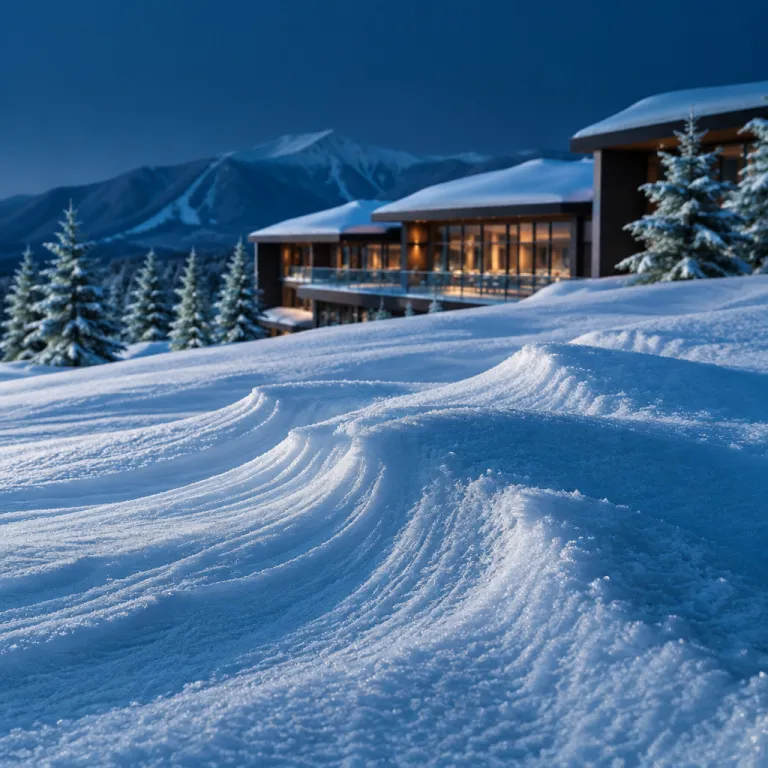
Club Med Tomamu: A refined Hokkaido ski resort for luxury and family travel
Why Club Med Tomamu stands out among Hokkaido’s luxury ski escapes
Club Med Tomamu sits in central Hokkaido, Japan, wrapped by quiet forest and a dramatic mountain skyline. This all-inclusive resort has become one of the best choices for travelers who want seamless ski access, refined comfort, and curated winter activities. For guests comparing several ski resort options in Hokkaido, Club Med Tomamu offers a rare balance of polished service, family-friendly design, and genuine alpine character.
The resort belongs to the wider Club Med portfolio, yet Club Med Tomamu feels distinctly shaped by Tomamu’s climate, snow quality, and local culture. Tomamu’s ski area typically records around 8–10 metres of snowfall per season, according to regional ski statistics, which underpins the deep powder, long gentle slopes, and reliable winter conditions that suit both beginners and confident skiers. You feel that the entire club is engineered around time on the mountain, with ski-in ski-out convenience, heated lockers, and instructors who understand the specific rhythm of Hokkaido’s winter season.
For travelers planning a premium stay, the fully inclusive concept at Club Med Tomamu simplifies budgeting and elevates value. Lift passes, group ski lessons, most dining, and many activities are typically included in the nightly rate, which for peak winter often falls in the approximate range of ¥45,000–¥80,000 per adult per night depending on dates and room type (based on recent Club Med rate examples). This structure reduces friction for families and couples and allows you to focus on fun and snow rather than logistics, while still enjoying a level of service that competes with the best luxury properties in Tomamu and beyond.
Access, transfers, and how Club Med Tomamu fits into a wider Hokkaido itinerary
Reaching Club Med Tomamu usually starts at New Chitose Airport, the main international airport for Hokkaido. New Chitose handled around 23–25 million passengers annually in recent pre-pandemic years, according to airport authority reports, making it a major gateway for domestic and overseas visitors. From this New Chitose Airport hub, travelers can connect by train or pre-arranged coach to the resort, with transfer times that typically range around two to three hours depending on conditions. Many luxury travelers pair a stay at Club Med Tomamu with a night in Sapporo or a detour to onsen towns, creating a varied Hokkaido itinerary that blends city, snow, and hot springs.
For guests who value smooth logistics, booking transfers through the club or a specialist agency ensures that airport arrivals, luggage, and ski equipment are handled efficiently. As a guide, shared coach transfers from New Chitose Airport to Tomamu often cost in the region of ¥4,000–¥6,000 per person one way, while private car or van services can start from roughly ¥40,000 per vehicle depending on size and season (based on typical Hokkaido transfer operator pricing). Families with kids often appreciate that once they leave New Chitose Airport, they can relax on the journey and arrive directly at the ski resort reception without multiple changes. This ease of movement is especially important in deep winter, when snow and ice can make self-driving more demanding for visitors unfamiliar with Hokkaido roads.
Many travelers also combine Club Med Tomamu with a stay in a traditional onsen area, using the resort as a base for snow activities before heading to volcanic hot spring towns. If you are considering a more extended circuit, a detailed guide to Noboribetsu onsen and other volcanic spa towns can help you decide how many nights to allocate to each stop. This combination of ski, onsen, and cultural visits turns a simple resort holiday into a layered Hokkaido experience and encourages you to explore more of the island beyond the slopes.
Rooms, suites, and how to choose the right category for your stay
Accommodation at Club Med Tomamu is designed around both comfort and practicality, especially for winter sports travelers. The superior room category offers a refined yet understated base, with enough space for ski gear, warm textiles, and a layout that feels calm after a day on the slopes. Many guests find that a superior room strikes the best balance between price and comfort, particularly when they spend most waking hours enjoying activities around the resort.
Families often look toward the family superior options, which provide extra space and flexible bedding. A family superior room can include a sofa bed that converts for kids, allowing parents to keep everyone together without sacrificing privacy and rest. When comparing room types, consider how much time you will spend indoors, how many kids are traveling, and whether a sofa bed or separate sleeping area will make evenings more relaxed. Checking sample nightly rates across your dates will also clarify whether upgrading to a larger category offers good value for your group.
For travelers who prioritize design and views, higher category rooms and suites at Club Med Tomamu can frame the mountain or forest in striking ways. Large windows bring in the soft winter light and showcase the snow-covered landscape, which enhances the sense of retreat. Whatever category you choose, the consistent theme is that each room supports the inclusive ski resort lifestyle, with easy access to lifts, restaurants, and shared lounges, so you can move smoothly between skiing, dining, and downtime.
Family friendly services, Mini Club, and winter activities beyond the slopes
Club Med Tomamu is particularly strong for family travel, thanks to its structured programs for kids and teens. The Mini Club concept gives younger guests supervised activities, ski lessons, and creative workshops, which allows parents to enjoy the mountain while knowing their children are engaged and safe. For many families, this combination of independence and shared time makes Club Med Tomamu one of the best winter choices in Hokkaido.
Beyond traditional ski lessons, the resort curates a wide range of snow activities that appeal to different ages and energy levels. Snow trekking, sledding, and gentle snow games give non-skiers and younger kids a way to enjoy the landscape without committing to full days on the slopes. These activities are scheduled throughout the day, and many are included in the package, which encourages families to try new experiences together and keeps days varied even during longer stays.
Indoor spaces are equally important during a Hokkaido winter, and Club Med Tomamu invests in social areas where families can reconnect. Lounges with comfortable seating, including areas with a sofa bed style daybed, create relaxed corners for reading or board games. Evening entertainment, from live music to themed events, keeps the atmosphere lively without feeling overwhelming, so both kids and adults can end the day on a warm, convivial note and look forward to the next morning on the snow.
Signature water experiences: Mina Beach, wave pool, and the indoor wave lagoon
One of the most distinctive features near Club Med Tomamu is Mina-Mina Beach, a vast indoor complex that recreates a summer shoreline in the middle of Hokkaido’s winter. Operated as part of the larger Hoshino Resorts Tomamu area, it is easily accessible to Club Med Tomamu guests. Visitors can enjoy an impressive wave pool that generates regular swells, offering a playful contrast to the snow outside. This indoor wave experience is especially popular with kids and teens, who move from ski boots to swimsuits in a matter of minutes.
The Mina-Mina Beach area is more than a simple pool; it is a full-scale leisure zone with loungers, warm air, and a carefully controlled climate. Families often schedule a half day away from the slopes to enjoy the wave pool, letting muscles recover while still keeping the mood light and fun. For travelers who worry that a pure ski resort might feel repetitive, Mina-Mina Beach and its indoor wave lagoon add a fresh dimension to the stay and help balance high-energy ski days with gentler recreation.
Adults also appreciate the contrast between the crisp mountain air and the tropical-style environment of Mina-Mina Beach. Moving from snow trekking in the morning to floating in the wave pool in the afternoon creates a sense of playful luxury that is rare in Hokkaido. When you plan your itinerary at Club Med Tomamu, it is worth blocking time for both snow and water, especially if you are traveling with a family group that values variety and wants to make full use of the broader Tomamu resort facilities.
How Club Med Tomamu compares with Kiroro and Sahoro for luxury travelers
Hokkaido’s luxury ski landscape now includes several major names, and many travelers compare Club Med Tomamu with properties in Kiroro and Sahoro. The Kiroro Peak and Kiroro Grand developments focus strongly on powder skiing and a slightly more independent feel, while Club Med Tomamu leans into the fully inclusive club model. If you prefer a resort where almost everything from ski passes to dining is bundled, Club Med Tomamu usually offers the best match.
Sahoro, another area associated with Club Med, provides a quieter alternative with a different mountain profile and slightly less extensive infrastructure. Tomamu, by contrast, benefits from Mina-Mina Beach, the indoor wave pool, and a broader range of structured activities for kids and adults. For families who want Mini Club programs, varied snow activities, and a strong après-ski scene within one resort, Club Med Tomamu often feels more complete and better suited to multi-generational groups.
Luxury travelers also consider future developments around New Chitose Airport, where Hokkaido is weighing a potential casino resort that could reshape premium tourism flows. Understanding the implications of a casino resort near New Chitose Airport can help you decide whether to base more time near Sapporo or commit fully to mountain destinations like Tomamu. For now, Club Med Tomamu remains a strong choice for those who value immediate access to slopes, curated activities, and a cohesive all-inclusive environment, and it works well as the central anchor of a broader Hokkaido journey.
Designing a refined Hokkaido itinerary around Club Med Tomamu
Building a luxury itinerary around Club Med Tomamu starts with deciding how many nights you want on the snow. Many travelers choose five to seven nights at the resort, which allows enough time for ski days, snow trekking, Mina-Mina Beach sessions, and relaxed evenings in the superior room or family superior categories. If you are traveling with kids, this duration also gives Mini Club staff time to understand each child’s level and preferences, which improves the overall experience.
From there, you can add pre- or post-stays in other Hokkaido highlights, such as Sapporo, Otaru, or onsen towns like Noboribetsu and Jozankei. A detailed guide to Hokkaido’s most refined onsen escapes can help you select properties that match the inclusive comfort of Club Med Tomamu while offering a different atmosphere. This combination of ski resort life, hot spring relaxation, and urban dining in Sapporo creates a layered journey that feels both efficient and indulgent, especially for first-time visitors who want a clear structure.
When planning, remember that Hokkaido’s winter conditions can affect transport times between the airport, Tomamu, and other regions like Kiroro Peak, Kiroro Grand, or Sahoro. Booking flexible transfers and allowing buffer days around heavy snow periods will protect your schedule and reduce stress. With thoughtful timing, Club Med Tomamu becomes the anchor of a broader Hokkaido itinerary that balances mountain adventure, cultural immersion, and restorative onsen stays, while keeping logistics manageable for couples, friends, and families.
Key figures for luxury and premium stays around Club Med Tomamu
- Hokkaido receives some of the world’s heaviest annual snowfall, with many ski areas, including Tomamu, often recording several metres of snow each winter season; Tomamu’s ski fields typically see around 8–10 metres of cumulative snowfall, according to regional tourism and meteorological statistics, which underpins the reliability of ski conditions for Club Med guests.
- New Chitose Airport handles tens of millions of passengers annually, with pre-pandemic figures in the mid-20-million range, making it the primary international gateway for Hokkaido and a crucial hub for travelers heading to ski resort destinations such as Club Med Tomamu, Kiroro Peak, Kiroro Grand, and Sahoro (figures from airport authority reports).
- Japan’s inbound tourism has grown significantly over the past decade, and Hokkaido consistently ranks among the top prefectures for international visitors seeking snow activities and onsen experiences, which supports ongoing investment in resorts like Club Med Tomamu (data from the Japan National Tourism Organization and regional tourism offices).
- Family travel represents a substantial share of winter tourism in Hokkaido, and surveys show that all-inclusive models such as Club Med’s can reduce on-site spending uncertainty for families, thanks to inclusions in the package for ski passes, lessons, and kids’ programs (industry research from travel consultancies and tour operator reports).
FAQ about Club Med Tomamu and luxury stays in Hokkaido
Is Club Med Tomamu suitable for beginners and non skiers ?
Yes, Club Med Tomamu works very well for beginners and non skiers because the resort offers gentle slopes, group lessons, and many non ski activities. Snow trekking, Mina-Mina Beach with its wave pool and indoor wave lagoon, and cultural workshops give guests alternatives to full days on the mountain. This mix allows families and couples with different skill levels to enjoy the same holiday.
How long should I stay at Club Med Tomamu for a winter trip ?
Most luxury travelers find that five to seven nights at Club Med Tomamu provide a good balance between ski time and relaxation. This length allows you to explore the slopes, join guided snow activities, and spend time at Mina-Mina Beach without feeling rushed. It also gives kids enough days in Mini Club to progress confidently on the snow and build friendships with other young guests.
What is included in the Club Med Tomamu package ?
The Club Med Tomamu all inclusive package typically covers accommodation, most meals, open bar drinks, lift passes, group ski or snowboard lessons, and many on site activities. Mini Club programs for kids are usually part of the inclusions, though some activities may carry a supplement. Airport transfers from New Chitose Airport are often arranged separately, so confirm details when booking and compare package dates to find the best value for your preferred room type.
How does Club Med Tomamu compare with Kiroro and Sahoro for luxury travelers ?
Club Med Tomamu emphasizes an all inclusive club model with strong family programming, Mina-Mina Beach access, and a wide range of snow and indoor activities. Kiroro Peak and Kiroro Grand focus more on powder skiing and a slightly more independent resort feel, while Sahoro offers a quieter atmosphere with different terrain. Your choice depends on whether you prefer a fully packaged experience or more flexibility in dining and daily planning, and whether you prioritize extensive kids’ facilities or a more low-key environment.
Can I combine Club Med Tomamu with onsen stays in Hokkaido ?
Combining Club Med Tomamu with onsen stays is a popular strategy for luxury travelers who want both active and restorative elements in their itinerary. Many guests fly into New Chitose Airport, spend several nights at the ski resort, then continue to Noboribetsu, Jozankei, or other hot spring towns. This approach creates a varied Hokkaido journey that balances mountain adventure with volcanic spa relaxation and lets you experience both the island’s snow culture and its traditional bathing heritage.