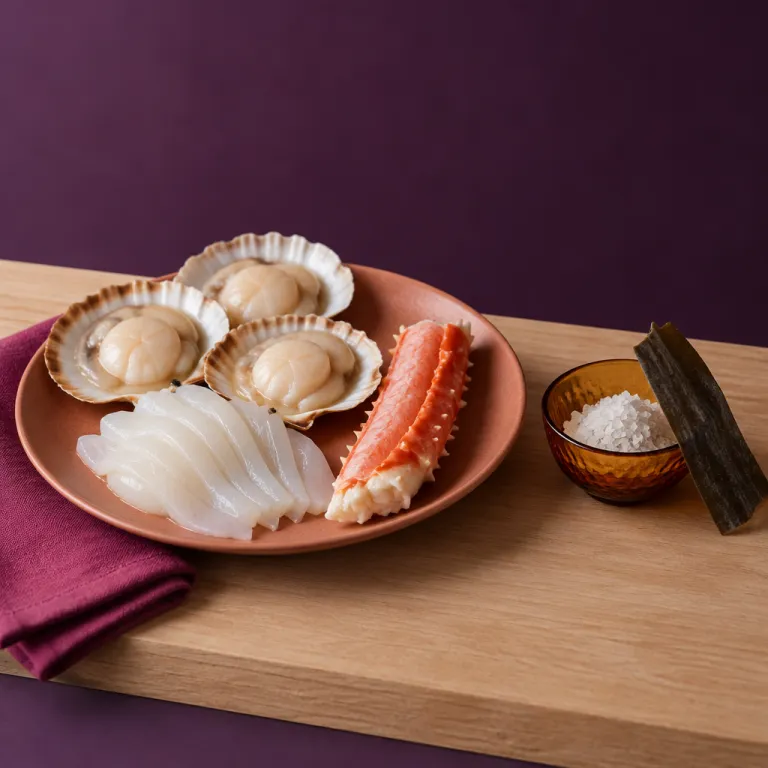
Hakodate city at a glance for luxury minded travellers
Hakodate sits on the southern tip of Hokkaido and blends port heritage with refined hospitality. The city offers a rare mix of historic streets, hot spring culture, and polished hotel service that suits premium travel perfectly. In Hakodate, Japan, you feel both the energy of a working port and the calm of a coastal retreat.
For travellers comparing Hokkaido destinations, Hakodate stands apart thanks to its compact scale and easy access from Hakodate Airport and Shin-Hakodate-Hokuto Station. The city layout makes it simple to move between the morning market, the red brick waterfront, and the Goryokaku district in a single day. This saves valuable travel time and lets you focus on experiences instead of long transfers across the island.
Luxury and premium hotels in Hakodate tend to cluster around three main areas. Near Hakodate Station you find contemporary towers with efficient service, while the bay area around the red brick warehouses offers harbour views and romantic night scenery. Up in the quieter Goryokaku district, refined properties focus on residential calm and easy access to Goryokaku Tower and the star-shaped park.
Many visitors use Hakodate as a first stop on a longer Hokkaido travel circuit. The city connects smoothly by train from Shin-Hakodate-Hokuto to Sapporo, Asahikawa, and the eastern wetlands, which makes it a strategic base for premium itineraries. If you plan to continue towards Kushiro for crane watching, pairing Hakodate with a stay near the Kushiro wetland lodges creates a balanced Hokkaido journey.
Hakodate also works well for travellers who prefer shorter stays in several cities rather than one long base. With Hakodate Port, Hakodate Airport, and the main JR station all close to the central hotel zones, arrivals and departures remain smooth even on tight schedules. This practical structure underpins the city’s reputation as one of the most guest-friendly gateways in northern Japan.
Choosing the right hakodate district for a premium stay
Where you stay in Hakodate shapes your entire experience. Each district has a distinct character, and luxury travellers should match their hotel choice to their preferred pace and style. Thinking carefully about area, transport, and views pays off in both comfort and time saved.
The bay area around the historic red brick warehouses is ideal if you want atmosphere and harbour scenery. Many premium hotel options here frame direct views of Hakodate Port, with some rooms facing the cruise pier and others looking towards Mount Hakodate. At night the brick warehouses glow softly, and the skyline reflects on the water in a way that feels quietly theatrical.
Near Hakodate Station, the mood is more urban and efficient. This district suits travellers who value a short walk from the train, easy bus connections, and quick access to Hakodate Morning Market for early seafood breakfasts. Hotels here often emphasise functionality, with sleek rooms, strong Wi‑Fi, and multilingual staff who understand complex travel plans across Hokkaido and beyond.
The Goryokaku district offers a different rhythm again. Centred on Goryokaku Park and Goryokaku Tower, this area feels more residential, with tree-lined streets and a calmer pace that many repeat visitors appreciate. Staying here works especially well in spring and autumn, when the park’s seasonal colours pair beautifully with high-floor hotel views over the star-shaped fort.
Travellers planning to use Shin-Hakodate-Hokuto or Hakodate Airport frequently may prefer hotels with direct bus links or quick taxi access. Some properties advertise their exact walking time from Hakodate Station or from key tram stops, which matters when you are carrying luggage in hot or snowy weather. When you edit your Hakodate itinerary, keep these small but meaningful access details in mind.
Mount Hakodate views and night scenery from luxury hotels
Mount Hakodate dominates the skyline and defines the city’s visual identity. For many guests, a stay in southern Hokkaido feels incomplete without at least one room or lounge facing this mountain and its famous night view. Choosing a hotel that frames these vistas well can transform an ordinary trip into something quietly memorable.
Several premium hotels near the bay area and Hakodate Port orient their rooms towards Mount Hakodate. By day you see ferries crossing the bay and the gentle slope of the mountain rising behind the city, while at night the lights of Hakodate curve along the coastline in a glittering ribbon. These views are especially striking in winter, when clear cold air sharpens every detail and the contrast between warm hotel interiors and the crisp outside world feels almost cinematic.
Some properties closer to Goryokaku Tower instead highlight panoramic views over the wider urban area. From high floors you can often see both Mount Hakodate and the grid of streets stretching towards Hakodate Station and the airport. Travellers who value a sense of scale may prefer these broader perspectives, which place Hakodate within the larger geography of southern Hokkaido.
When comparing hotels online, pay attention to whether the “harbour view” or “mountain view” categories specify Mount Hakodate explicitly. Not every city-view room will face the mountain, and not every sea view will include the red brick warehouses or the port. Reading detailed room descriptions and guest photos helps you edit options down to those that truly match your expectations.
If your itinerary extends beyond Hakodate into eastern Hokkaido, consider pairing these urban views with more remote scenery. A stay in Abashiri, for example, offers drift ice landscapes and lakeside calm that contrast beautifully with the lights of the port city, as highlighted in this guide to elegant Abashiri stays. Balancing Mount Hakodate panoramas with quieter natural vistas creates a richer overall sense of Hokkaido.
Hot springs, seafood, and sensory pleasures in hakodate
Hakodate is a city of sensory detail, from steam rising off a hot spring bath to the scent of grilled seafood at dawn. Luxury travellers come here not only for refined hotel rooms but also for these layered experiences that feel distinctly Japanese yet warmly accessible. The best premium stays in this port city weave these elements together with care.
Several high-end hotels in Hakodate feature on-site hot spring facilities, drawing natural mineral-rich water into indoor and open-air baths. Soaking in a hot spring while watching the lights of Hakodate Port or the outline of Mount Hakodate is one of the city’s quietest luxuries, especially on cold or rainy days. For guests new to Japanese bathing culture, properties with clear English guidance and attentive staff make the ritual feel welcoming rather than intimidating.
Seafood is another pillar of local hospitality. The morning market near Hakodate Station is famous for its fresh squid, crab, and sea urchin, and many hotel restaurants build their menus around this daily catch. Some properties even offer breakfast plans that highlight local seafood bowls, allowing you to taste the port’s character without leaving the hotel area at busy times.
In the red brick warehouse district, renovated brick buildings now house stylish restaurants, cafés, and small shops. Evening here feels particularly atmospheric, with the warehouses lit softly and the sound of the sea carrying across the harbour. Staying in a nearby hotel means you can walk back to your room in just a few minutes, avoiding long bus rides or taxis late at night.
Travellers planning a broader hot spring focused itinerary across Hokkaido should consider how Hakodate fits into that picture. The city’s urban hot spring hotels pair well with more secluded ryokan-style retreats elsewhere in Japan, and this refined guide to luxury hot spring escapes offers useful context. When you edit your plans, think about how many nights you want to dedicate to city-based hot spring experiences versus rural soaks.
Getting around hakodate: stations, buses, and seamless transfers
Movement in and out of Hakodate is unusually smooth for a mid-sized Japanese port. For luxury travellers, this means less time wrestling with logistics and more time enjoying hotel comforts and local experiences. Understanding the relationship between Hakodate Station, Hakodate Airport, and Shin-Hakodate-Hokuto helps you plan with confidence.
Hakodate Station anchors the central transport network, with JR trains, local lines, and city trams converging here. Many premium hotels advertise their distance as a specific walking time from the station, which is worth checking carefully when you value quick arrivals after long flights. The area around the station also offers direct bus links to Hakodate Airport and to key sightseeing spots, including the Mount Hakodate ropeway base and the Goryokaku district.
Shin-Hakodate-Hokuto, located outside the main urban area, serves the Hokkaido Shinkansen high-speed line. Travellers arriving here often transfer by train or bus into Hakodate, a journey that usually takes under an hour depending on connections. If you expect late arrivals or early departures, consider a hotel that coordinates taxis or private transfers between Shin-Hakodate-Hokuto and your chosen district.
Within the city, the tram network and local buses cover most visitor needs. Trams link Hakodate Station with the red brick warehouses, the bay area, and the Goryokaku district, while buses reach more residential zones and the Mount Hakodate ropeway. Many hotels provide English route maps or digital guides, and some front desks will help you edit day plans around tram frequencies and last departure times.
For travellers continuing deeper into Hokkaido, Hakodate Port offers ferry connections, while trains from the main station and Shin-Hakodate-Hokuto lead north towards Sapporo and east towards Kushiro. Combining these routes allows you to design multi-city itineraries that link Hakodate with other regions without backtracking. When booking premium hotels, always check check-in times against train and bus schedules to keep transitions as effortless as the stays themselves.
Practical booking tips for luxury and premium hotels in hakodate
Securing the right hotel in Hakodate requires more than simply choosing the highest price point. The most satisfying stays align room type, location, and services with your specific travel rhythm. Taking time to edit options carefully will reward you with smoother days and richer nights.
Start by deciding whether you prioritise views, hot spring access, or proximity to transport. If Mount Hakodate scenery matters most, focus on bay area hotels that explicitly mention mountain-facing rooms and harbour views over the port and the red brick warehouses. Travellers who care more about quick access to Hakodate Station, the morning market, and bus links to the airport may prefer central properties even if the views are more urban.
Room descriptions in Hakodate often distinguish between “city view,” “harbour view,” and “mountain view,” and these labels are not interchangeable. A city view might face Goryokaku Tower or residential streets in the Goryokaku district, while a harbour view could highlight ferries and brick warehouses rather than Mount Hakodate itself. Reading these details closely, and checking floor plans when available, helps you avoid disappointment and ensures that the city looks from your window the way you imagined.
Language support is another key factor for international guests. Many premium hotels in Hakodate now offer English-speaking staff, translated restaurant menus, and multilingual digital guides to the wider Hokkaido area. When you contact properties directly, do not hesitate to ask about English assistance for arranging restaurant bookings, hot spring etiquette explanations, or transfers between Shin-Hakodate-Hokuto, the main station, and your hotel.
Finally, consider seasonality and how it affects both price and experience in Hakodate. Peak times around cherry blossoms in Goryokaku, summer festivals near the port, and winter illuminations at the red brick warehouses all drive demand for the best located hotels. Booking early, staying flexible with room categories, and aligning your expectations with the rhythm of southern Hokkaido will help you secure a stay that feels both luxurious and deeply in tune with this distinctive Japanese city.
Key figures for planning a hakodate luxury stay
- Hakodate has a population of roughly 250,000 residents, which keeps it large enough for varied dining yet compact enough for easy movement compared with much bigger Japanese cities like Sapporo (Statistics Bureau of Japan).
- The Hokkaido Shinkansen currently connects Tokyo to Shin-Hakodate-Hokuto in about four hours, making Hakodate one of the fastest luxury gateways into Hokkaido from the capital (JR Hokkaido data).
- Hakodate Airport sits around 9 kilometres from central Hakodate Station, with typical bus transfer times of 20 to 30 minutes depending on traffic (Hakodate Airport Terminal information).
- Goryokaku Tower rises approximately 107 metres, giving panoramic views over the star-shaped fort and wider city that many travellers rank among the top three urban vistas in Hokkaido (Goryokaku Tower official data).
- Mount Hakodate’s summit stands about 334 metres above sea level, and the ropeway ride from the base station takes roughly three minutes, which allows even short-stay visitors to experience the famous night view without dedicating a full evening to travel (Hakodate Ropeway Company).
FAQ about luxury and premium stays in hakodate
Which area of hakodate is best for a first luxury stay ?
For a first visit, many luxury travellers choose the bay area near the red brick warehouses and Hakodate Port. This district combines atmospheric streets, easy access to Mount Hakodate night views, and convenient tram links to Hakodate Station and the Goryokaku district. It also offers a strong concentration of premium hotels with harbour-facing rooms.
Are there many hot spring hotels in hakodate city ?
Hakodate offers several hotels with on-site hot spring facilities, especially in the bay area and around the Goryokaku district. These properties pipe natural mineral water into indoor and open-air baths, often with views over the city or harbour. Travellers seeking a deeper onsen focus can combine Hakodate stays with rural hot spring resorts elsewhere in Hokkaido.
Is it better to stay near hakodate station or goryokaku ?
Staying near Hakodate Station suits travellers who prioritise quick access to trains, buses, and the morning market. The Goryokaku district works better for guests who prefer a quieter residential atmosphere and easy walks to Goryokaku Park and Goryokaku Tower. Both areas offer quality hotels, so the choice depends mainly on your transport needs and preferred pace.
How many nights should I plan in hakodate on a Hokkaido trip ?
Most luxury travellers allocate two to three nights in Hakodate, which allows time for Mount Hakodate, the red brick warehouses, the morning market, and at least one relaxed hot spring session. Those combining Hakodate with eastern or central Hokkaido may stay slightly longer to balance travel days with slower city time. Shorter one-night stays can feel rushed, especially in peak seasons.
Is english widely spoken in hakodate hotels and restaurants ?
Many mid-range and premium hotels in Hakodate now provide English-speaking staff at the front desk and in concierge roles. Major restaurants around the bay area, Hakodate Station, and Goryokaku often have English menus or picture-based ordering systems. In smaller neighbourhood venues, simple phrases and translation apps remain helpful, but hospitality staff are generally patient and welcoming.