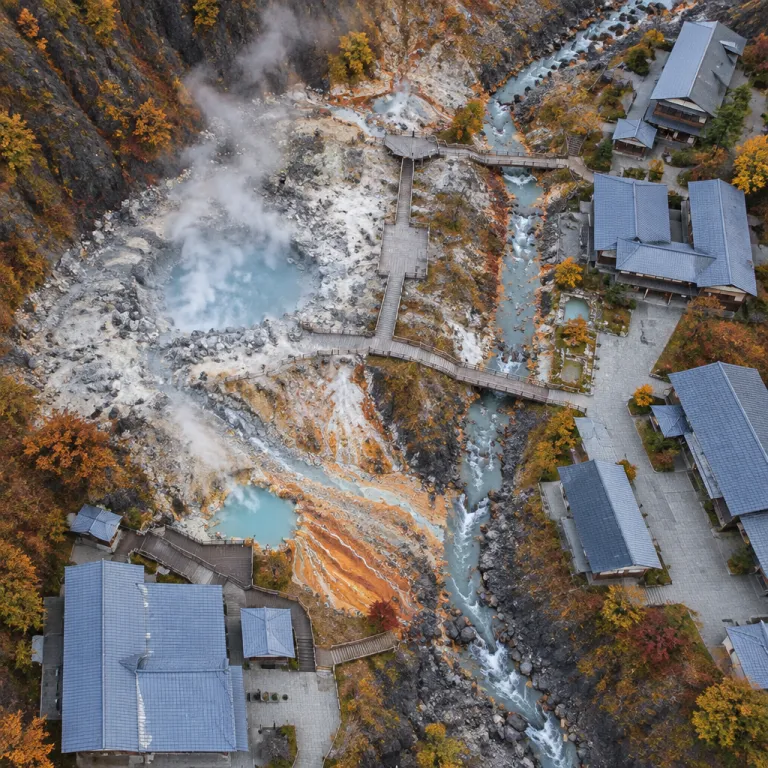
Why Noboribetsu Onsen is Hokkaido’s most atmospheric hot spring town
Nestled on Hokkaido’s Pacific coast, the town of Noboribetsu has built its reputation on mineral-rich onsen that steam beneath forested hills. This compact hot spring resort sits above a volcanic system that feeds some of the most varied baths in Japan, giving every pool a distinct character and scent. For travelers choosing a luxury hotel in this part of Japan, Noboribetsu Onsen offers a rare blend of dramatic scenery, refined hospitality, and easy access by train or bus.
The heart of the area is Jigokudani, the so-called Hell Valley where sulfur vents, mud pools, and rising steam create a theatrical backdrop for any visit. Walking paths loop through the valley and lead toward Oyunuma Pond, where hot spring water bubbles to the surface before flowing down to natural foot baths in the forest. Staying overnight in a premium hotel lets you enjoy these landscapes by day and then return to expansive spring baths and open-air pools once the day-trippers have gone.
Most luxury hotels cluster on the slope between Noboribetsu Station and Jigokudani, so you can reach your room in around fifteen to twenty minutes by local bus or taxi. The short transfer from the station means you can arrive from Sapporo or New Chitose Airport, check into your chosen hotel, and be in a steaming grand bath before sunset. Because the town is compact, you can easily walk between different hot spring hotels, sampling varied onsen water and comparing the atmosphere of each grand hotel or intimate ryokan-style property.
Planning your journey to Noboribetsu Onsen from across Hokkaido
Reaching Noboribetsu Onsen is straightforward, which makes it ideal as a first or last stop on a Hokkaido itinerary. Limited express trains from Sapporo and Hakodate stop at Noboribetsu Station, where frequent bus services connect directly to the onsen town in about fifteen to twenty minutes. Many luxury hotel guests arrange luggage forwarding through services such as takuhaibin so they can step straight from the bus into the lobby and then into a waiting bath without delay.
If you are combining hot springs with wildlife watching, Noboribetsu Onsen pairs well with a winter trip to eastern Hokkaido. For example, travelers heading toward the Kushiro wetlands to see Japanese cranes often book remote lodges using specialist platforms that highlight seasonal access and transfer times; guides to planning a crane pilgrimage and choosing Kushiro wetland lodges help you understand how many days to allocate in each region. In that kind of itinerary, Noboribetsu’s hot baths become a restorative stop between long drives, with spring water easing muscles after hours on snowy roads.
From New Chitose Airport, highway buses and rental cars make the journey to the town in around sixty to ninety minutes depending on conditions. Drivers appreciate that the route is well maintained, while those who prefer public transport can rely on clear English signage at Noboribetsu Station and on the local bus. Because many visitors arrive in the late afternoon, premium hotels often time their check-in, welcome tea, and first grand bath access to match the main arrival waves from the airport and from central Hokkaido, and some properties operate scheduled shuttle buses that must be reserved in advance.
Choosing between grand hotel icons and contemporary luxury stays
For travelers focused on hot spring indulgence, the choice of hotel in Noboribetsu Onsen shapes the entire experience. Long-established properties such as Dai Ichi Takimotokan and Hotel Mahoroba are famous across Japan for their vast complexes of indoor and open-air baths, each fed by different hot springs from the valley. These grand hotel style resorts suit guests who want variety above all, with entire floors dedicated to onsen facilities and corridors leading from rooms directly to the bathing areas.
Dai Ichi Takimotokan sits closest to Jigokudani Hell Valley, and many rooms look toward the steaming slopes that gave the area its nickname. Inside, the grand bath area offers multiple pools of varying temperatures and mineral compositions, allowing you to move from milky sulfur water to clear sodium chloride springs in a single session. Hotel Mahoroba, slightly lower in the onsen town, competes with its own extensive spring baths and water slides that appeal to families, while still reserving quieter zones for adults seeking a more serene atmosphere.
Travelers who prefer a more contemporary mountain resort aesthetic sometimes split their Hokkaido stay between Noboribetsu Onsen and ski-focused properties. A popular pairing is a few days of hot spring relaxation followed by time at a refined mountain hotel such as the New Furano Prince, which offers polished service at the edge of Hokkaido’s powder snow slopes. By alternating days between a grand hotel in Noboribetsu and a modern ski resort, you experience both the volcanic valley and the highland forests without compromising on room comfort or attentive Japanese hospitality.
Understanding the hot spring waters and bathing etiquette
The appeal of Noboribetsu Onsen lies in its unusually diverse hot spring water, which flows from multiple sources beneath Jigokudani and the surrounding valley. Each hot spring type carries different minerals, from sulfur-rich water that softens the skin to iron-heavy baths that appear reddish and warming, and hotels often display clear signage explaining the benefits. When you choose a hotel, it is worth checking which spring baths they draw from, because some properties emphasize milky sulfur pools while others highlight clear, neutral onsen suitable for longer soaks.
Most luxury hotels in the town feature both indoor grand baths and open-air rotenburo, allowing guests to feel the contrast between hot water and cool Hokkaido air. In winter, snow often piles around the edges of these open-air pools, and the sensation of sub-zero temperatures on your face while your body rests in steaming spring water is unforgettable. Even in warmer months, the combination of forest views, the faint smell of sulfur from Jigokudani, and the quiet murmur of other bathers creates a deeply Japanese atmosphere.
Etiquette matters in every onsen Hokkaido region, and Noboribetsu Onsen is no exception, so guests should wash thoroughly before entering any bath. Tattoos are still restricted in some grand hotel facilities, though policies are gradually softening, so checking in advance avoids disappointment on the day. Because the water can be very hot, alternating shorter dips in different baths with cool-down breaks in the lounge or on the terrace helps you enjoy the experience safely while still making the most of the varied hot springs.
What to do beyond the baths in Noboribetsu’s volcanic landscape
While the onsen are the main draw, the landscape around Noboribetsu Onsen rewards unhurried exploration between soaks. A well-maintained network of walking paths leads from the edge of town into Jigokudani, where wooden boardwalks cross steaming vents and mineral-stained ground that showcase the raw power beneath Hokkaido. From there, trails continue toward Oyunuma Pond and the Oyunuma River natural foot bath, where hot spring water cools enough for visitors to soak their feet in a forest setting.
Families and wildlife enthusiasts often add a stop at the Noboribetsu Bear Park, reached by ropeway from the onsen town, where Hokkaido brown bears are kept in enclosures that allow close viewing. While the ethics of such facilities are debated, the park remains a popular half-day excursion, and many hotels can arrange tickets or provide information about the Noboribetsu bear populations in the region’s history. Another option is the nearby Date Jidaimura historical theme park, which recreates an Edo period town and offers cultural shows that contrast sharply with the futuristic feel of the volcanic valley.
Travelers who enjoy architecture and food sometimes combine their stay in Noboribetsu Onsen with a side trip to Otaru, using regional trains and buses to link the two towns. Guides to Otaru’s sushi bars, Meiji era banks, and atmospheric backstreets help you plan a route that balances coastal heritage with inland hot springs, and one detailed resource on Otaru beyond the canal is particularly useful for curious travelers. By structuring your Hokkaido journey around a sequence of distinct towns, you move from volcanic park to port city while always returning at night to the comfort of a carefully chosen hotel and its restorative baths.
How to choose the right room, meal plan, and length of stay
Selecting the ideal hotel room in Noboribetsu Onsen starts with deciding how much time you want to spend in the baths versus exploring the valley. Many grand hotel properties offer a range of rooms from compact Western-style twins to spacious Japanese tatami suites with private open-air baths on the balcony. If you plan to spend most of the day in Jigokudani, Oyunuma Pond, or the nearby park trails, a standard room may suffice, while travelers who value in-room relaxation often invest in suites with valley views and more generous seating areas.
Meal plans also shape the experience, because many onsen hotels in Hokkaido still follow the traditional pattern of half-board stays that include dinner and breakfast. Kaiseki-style dinners highlight local seafood, Hokkaido vegetables, and wagyu beef, and enjoying them in your room or in a quiet dining hall can be as memorable as the hot springs themselves. Guests who prefer flexibility sometimes choose breakfast-only plans, allowing them to sample small restaurants in town at midday and then return to the hotel for a late-night bath after exploring the surrounding area by bus or on foot.
For most visitors, one night in Noboribetsu Onsen feels rushed, while three nights allow a more balanced rhythm of bathing, walking, and rest. A two-night stay often works best, giving you a full day to explore Jigokudani Hell Valley, the bear park, and the riverside foot baths without sacrificing time in the grand bath complexes back at your hotel. When planning your wider Hokkaido route, remember to factor in the minutes spent transferring between Noboribetsu Station, the onsen town, and your next destination so that each day remains relaxed rather than compressed.
Linking Noboribetsu Onsen with wider Hokkaido highlights
Noboribetsu Onsen sits conveniently between several of Hokkaido’s most appealing regions, which makes it a natural hub in a multi-day itinerary. To the north, Sapporo and Otaru offer urban comforts, craft beer, and seafood markets, while to the east lie the wetlands and national parks that draw birdwatchers and hikers. By placing your stay in this hot spring town either at the beginning or the end of your route, you can use its baths as a way to reset after long transfers across Japan’s northernmost island.
Travelers focused on winter sports often combine Noboribetsu Onsen with ski areas such as Niseko, Rusutsu, or Furano, using rental cars or buses to move between resorts and the valley. After several days on the slopes, soaking in hot spring baths fed by Jigokudani’s geothermal energy feels particularly restorative, and many guests comment that their legs recover faster after alternating cold air and hot water. Because the town is compact, you can arrive from a ski resort in the afternoon, check into a grand hotel, and still enjoy multiple bathing sessions before and after a multi-course dinner.
Those more interested in culture and coastal scenery might link Noboribetsu Onsen with Hakodate’s historic districts or with lesser-known fishing ports along the Pacific. In each case, the combination of volcanic landscapes, structured Japanese hospitality, and easy access by train or bus from Noboribetsu Station ensures that the hot springs remain a highlight rather than a detour. By thinking of the town as both a destination and a restorative pause, you can design a Hokkaido journey that feels luxurious in pace as well as in the quality of its rooms, meals, and carefully maintained baths.
Key figures about Noboribetsu Onsen and Hokkaido hot springs
- Noboribetsu Onsen draws water from nine distinct hot spring types, a concentration that is considered among the highest in Japan for a single town (reported by Noboribetsu City tourism information and local onsen associations).
- The temperature of source water in Jigokudani valley can exceed 80 degrees Celsius, which requires careful mixing and cooling before it reaches hotel baths (summarized from Hokkaido environmental agency monitoring data).
- Travel time by limited express train from Sapporo to Noboribetsu Station averages around 70 to 80 minutes, making the town one of the most accessible onsen resorts in Hokkaido (based on JR Hokkaido timetable information for the Muroran Line).
- Visitor surveys from the Hokkaido Tourism Organization indicate that more than half of international guests staying in Noboribetsu Onsen combine it with at least one other regional highlight such as Otaru, Furano, or Hakodate in a single trip.
- Large properties like Dai Ichi Takimotokan and Hotel Mahoroba can each host several hundred guests per night, yet occupancy rates remain strong during peak seasons due to the enduring popularity of hot springs among domestic travelers and repeat visitors.
FAQ about Noboribetsu Onsen luxury stays
How many nights should I stay in Noboribetsu Onsen?
Most travelers find that two nights in Noboribetsu Onsen provide the best balance between relaxation and exploration. This allows one full day to walk through Jigokudani Hell Valley, visit Oyunuma Pond or the bear park, and still enjoy multiple bathing sessions. A single night can feel rushed, while three nights suit those who want a slower pace or are recovering from long drives across Hokkaido.
Is Noboribetsu Onsen suitable for first-time onsen visitors?
Yes, the town is very welcoming to first-time onsen users, with clear signage and staff accustomed to international guests. Large hotels such as Dai Ichi Takimotokan and Hotel Mahoroba provide detailed instructions on bathing etiquette and often have multilingual information. Because there are many different baths and temperatures, beginners can start with milder pools and gradually try hotter springs as they gain confidence.
How do I get from Noboribetsu Station to my hotel in the onsen town?
From Noboribetsu Station, frequent buses run to the onsen town in about fifteen to twenty minutes, stopping near the main hotels. Taxis are also available and are convenient if you have large luggage or arrive late in the evening. Some grand hotel properties operate their own shuttle services on fixed schedules, so checking your reservation details in advance can simplify the transfer.
Are private or open-air baths available in luxury hotels?
Many upscale hotels in Noboribetsu Onsen offer rooms with private open-air baths on balconies or terraces, fed by natural hot spring water. These are popular with couples, families, and guests with tattoos who prefer more privacy than the shared grand bath areas. Because such rooms are limited, booking well in advance is recommended, especially during weekends and national holidays in Japan.
Can I visit Noboribetsu Onsen as a day trip instead of staying overnight?
Day trips are possible from Sapporo or New Chitose Airport, and several hotels sell daytime onsen passes that grant access to their baths for a few hours. However, staying overnight lets you enjoy quieter times in the baths early in the morning and late at night, when the atmosphere is most serene. An overnight stay also makes it easier to explore Jigokudani valley and nearby attractions without watching the clock for return buses or trains.