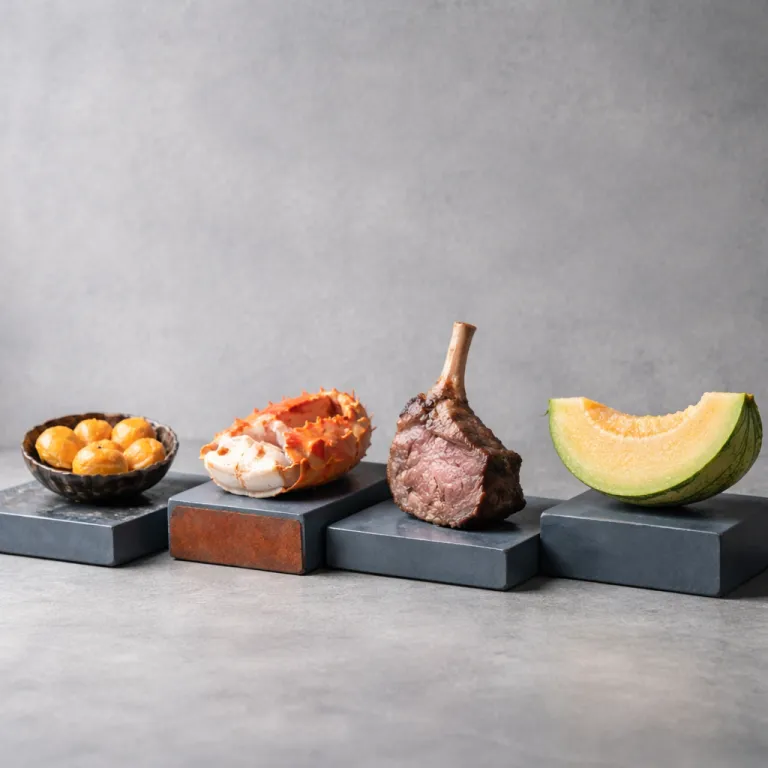
How to use this Hokkaido seafood season guide when booking luxury stays
Hokkaido rewards travelers who plan their hotel bookings around the sea and the season, not just the ski pass or the flight. For a refined trip through Japan’s northern island, treat this Hokkaido seafood season guide as your calendar for when to reserve suites in Sapporo, Niseko, eastern Hokkaido and along the southern coast. Aligning your check in dates with the best time for uni, crab, lamb and melon turns a simple day in Hokkaido into a curated culinary tour anchored by high quality hotels.
Luxury properties across Hokkaido understand that seafood and air temperature move together, so concierges quietly track when salmon, shrimp and crab peak at nearby markets. When you choose a premium hotel near Sapporo Station or Odori Park, you gain access to chefs who know exactly which sea urchin or botan shrimp lot to buy that morning, and which horsehair crab tank to reserve for your dinner. This seasonal framework will help you ask the right questions before you book, from whether the kitchen is serving fresh salmon roe to whether the sommelier can pair eastern Hokkaido king crab with local white wine.
Think of each stay as a themed day tour built around one ingredient, then choose your base accordingly. A winter weekend in a lakeside suite near Lake Toya or Noboribetsu Lake might focus on steaming king crab and hairy crab, while a spring escape in Niseko highlights lamb and early uni from the cold sea. Use flexible itineraries that allow a spontaneous day trip to Otaru or Hakodate when the drift ice retreats and seafood markets in Hokkaido suddenly fill with salmon and shrimp.
Spring and summer: uni, sea urchin and melon from market to hotel table
Spring in Hokkaido feels like a quiet reset, and the sea responds first. As the air softens from April, this is the best time to book coastal hotels that work closely with local fishermen, because the first sea urchin and early uni begin to appear on menus. In our Hokkaido seafood season guide, late spring and early summer are Hokkaido’s best months for travelers who want lighter seafood, longer day light and easy access to both city dining in Sapporo and countryside retreats near Lake Toya.
By June, uni season is fully underway and luxury hotels across Japan’s northern island design tasting menus around it. The Hokkaido Federation of Fisheries Cooperative Associations notes that many coastal areas treat June to August as the core uni harvest period, and local tourism sites echo this timing when promoting sea urchin festivals. That window is when you should prioritize suites in Otaru for at least one otaru day and in eastern Hokkaido fishing towns, where chefs serve sea urchin and botan shrimp over rice at breakfast, then arrange a private day tour to nearby farms for asparagus and early Yubari melon.
Summer brings longer day trip options from Sapporo Station, with guests able to enjoy horseback riding in the hills by day and chilled seafood platters featuring Hokkaido specialties by night. Consider pairing a stay at a refined lakeside property near Lake Toya with a visit to Yubari, timing your reservation for the short season when melon is at peak sweetness and auction prices soar, typically from late June through August according to prefectural agricultural statistics. For more on how to match hot spring stays with seasonal dining, see our refined guide to luxury onsen escapes in Hokkaido at selecting the right lakeside retreat in Hokkaido, then layer uni and melon tasting menus onto your booking.
Autumn runs: salmon, salmon roe and market mornings from Sapporo to eastern Hokkaido
Autumn is when Hokkaido’s rivers and markets feel most alive, and luxury travelers who care about salmon and salmon roe should plan around this run. As temperatures drop, salmon push upstream and chefs from Sapporo to eastern Hokkaido quietly adjust menus, building multi course dinners that move from grilled salmon to bowls crowned with ikura. For guests using this Hokkaido seafood season guide, the best time for an immersive market focused stay is when the first leaves turn and the sea air sharpens.
Base yourself in Sapporo for a few nights at a high quality hotel within walking distance of Odori Park and Sapporo Station, then structure each day as a themed day tour. One morning might start at Nijo Market, where local fishermen supply salmon, shrimp and crab directly to stalls, followed by a chef’s table dinner back at your hotel featuring salmon roe and botan shrimp. Another day trip could take you to Otaru for an otaru day of canal side strolling, then continue by train toward eastern Hokkaido for a quieter inn that serves Hokkaido seafood caught that same day.
Guests who want to balance food with landscape often add horseback riding in the rolling farmland near Biei or Furano, then return to suites where the evening menu leans into autumn mushrooms and regional seafood dishes from Hokkaido. For a deeper look at how rural communities are adapting to tourism while protecting their environment, read our analysis of Biei’s tourism crisis at how Hokkaido’s most photographed village is fighting to survive. Pairing these countryside stays with Sapporo nights gives you both refined dining and direct access to the markets that define this season.
Winter luxury: king crab, hairy crab and drift ice along Hokkaido’s coasts
Winter is when Hokkaido’s reputation for crab becomes undeniable, and serious seafood travelers should treat this as the centerpiece of their Hokkaido seafood season guide. From November through the coldest months, king crab, horsehair crab and other varieties reach their sweetest, making this the best time to reserve ocean facing suites in eastern Hokkaido and along the Sea of Okhotsk. The combination of drift ice, clear air and steaming crab hot pots turns each day into a sensory tour that begins at the harbor and ends in your hotel’s private dining room.
High end properties in Abashiri, Monbetsu and Kushiro work closely with local fishermen, who catch and supply fresh seafood and produce directly to kitchens that specialize in Hokkaido seafood. Many arrange early morning transfers to markets where you can watch king crab and hairy crab being auctioned, then return for a long lunch built around crab legs, botan shrimp and salmon roe. When a hotel concierge suggests a specific day trip to coincide with a drift ice cruise, take it; the contrast between the frozen sea and the warmth of a crab feast back at your property is one of Hokkaido’s best winter experiences.
Not every winter night needs to be coastal, though, and some travelers prefer to split their stay between Niseko’s ski slopes and a final night in a harbor town. In Niseko, luxury chalets and hotels focus more on lamb, Sapporo style miso ramen and hearty seafood stews using Hokkaido ingredients, while arranging transfers for a dedicated crab day tour to the coast. For those interested in pairing winter crab with hot springs, our in depth guide to luxury hot spring escapes in Hokkaido at a refined guide to luxury onsen escapes explains which properties excel at both onsen and seasonal seafood.
Lamb, dairy and inland stays: beyond the sea in Hokkaido’s seasonal table
While this Hokkaido seafood season guide focuses on the sea, inland Hokkaido offers year round lamb and dairy that deserve equal attention when booking hotels. Lamb is available in every season, but it feels especially right in winter and early spring, when jingisukan grills smoke in Sapporo and Niseko while snow piles outside. Luxury properties in Tokachi, Kamikawa and around Noboribetsu Lake often build tasting menus that move from lamb to local dairy, then finish with melon or other fruit when the season allows.
Hokkaido’s dairy tastes different because over half of Japan’s milk comes from this island, where volcanic soil and cool air create rich pastures for cows. High quality hotels in Tokachi and Kamishihoro lean into this, serving butter, cream and cheeses alongside seafood dishes from Hokkaido such as salmon, shrimp and uni, creating a balanced expression of land and sea. Guests can enjoy horseback riding across open fields by day, then return to dining rooms where lamb shares the table with sea urchin, botan shrimp and carefully sourced regional seafood.
For travelers who prefer lakes and forests to harbors, a stay near Lake Toya or Noboribetsu Lake offers a quieter rhythm without sacrificing access to the sea. Concierges can arrange a day tour to coastal markets for fresh crab and salmon roe, then bring you back to onsen suites where lamb hot pots and dairy focused desserts dominate the evening. This inland coastal balance is where Hokkaido best expresses itself, allowing you to enjoy both the sea and the farm within a single day.
Designing your itinerary: matching hotels, markets and seasonal tours
Planning a luxury trip around this Hokkaido seafood season guide means thinking in arcs, not isolated nights. Start by choosing your primary ingredient focus — uni and sea urchin, king crab and hairy crab, lamb or melon — then map which region of Hokkaido and which season align with that choice. From there, select hotels in Sapporo, Niseko, eastern Hokkaido or around Lake Toya and Noboribetsu Lake that can arrange the right day tour or day trip for you.
In Sapporo, prioritize properties near Odori Park and Sapporo Station, where concierges can secure restaurant reservations and market visits during peak seafood seasons in Hokkaido. Along the coasts of eastern Hokkaido, look for smaller high quality inns that partner with local fishermen and farmers, offering farm to table dinners that change daily with the sea and the weather. Tourism boards, local farmers and fish markets increasingly collaborate on seasonal dining events, part of a broader move toward seasonal farm-to-table experiences that elevate what you eat on any given day.
Whichever arc you choose, build in at least one otaru day or Hakodate stop to experience the classic morning market rhythm of Hokkaido seafood. Use your hotel as a calm base, then let each day unfold as a focused tour — one for uni and sea urchin, another for king crab and salmon roe, another for lamb and dairy. When you align your stays with the sea and the season, you do more than enjoy good meals; you step into the living calendar that shapes Hokkaido’s identity.
Key figures behind Hokkaido’s seasonal table
- Hokkaido is one of Japan’s major uni producing regions, and local fisheries data from the Hokkaido Federation of Fisheries Cooperative Associations consistently highlight June to August as the period when sea urchin quality peaks, which is why planning a stay in early summer dramatically increases your chances of eating uni at its best.
- Crab landings in Hokkaido fluctuate by year and species, but fisheries statistics from the prefectural government agree that most king crab and horsehair crab are landed between late autumn and winter, making those months the most reliable for crab focused hotel dining.
- Melon production in Hokkaido, including the famous Yubari variety, is concentrated in early and mid summer according to Hokkaido Prefecture agricultural reports, and this is when premium fruit is shipped to markets and featured on dessert menus at luxury hotels.
- Local tourism boards report steady growth in seasonal dining and farm to table experiences, reflecting a clear shift toward travelers booking hotels specifically to access Hokkaido seafood and regional produce at the right moment in the year.
FAQ about Hokkaido’s seafood seasons and luxury stays
When is the best time to eat uni in Hokkaido?
The prime season for uni in Hokkaido runs from June to August, when cold sea conditions and feeding patterns make the sea urchin richer and sweeter. If uni is your priority, plan coastal hotel stays in Otaru, Shakotan or eastern Hokkaido during this window and ask concierges to arrange market visits or omakase dinners.
Where can I eat fresh crab while staying in Hokkaido?
Fresh crab is widely available in winter at markets and restaurants in Sapporo, Hakodate, Kushiro and along the Sea of Okhotsk. For a luxury experience, book harbor side or onsen hotels that work directly with local fishermen, then request a crab focused kaiseki dinner featuring king crab, horsehair crab and other seasonal varieties.
Is lamb really available year round in Hokkaido?
Yes, lamb is served throughout the year, especially in jingisukan style grills in Sapporo and Niseko. While you can enjoy it in any season, many travelers find lamb most satisfying in colder months, pairing it with winter seafood dishes from Hokkaido and hot spring stays.
When are Hokkaido melons in season for hotel dining?
Premium Hokkaido melons, particularly from Yubari, are in season mainly from June to August, when hotels across the island feature them in breakfast buffets and dessert courses. If tasting these melons matters to you, align your bookings with early or mid summer and ask your hotel about farm visits or special melon menus.
How should I check seasonal availability before booking a hotel?
Before confirming dates, contact your shortlisted hotels and ask specifically about current seafood and produce availability, such as uni, crab, salmon roe or melon. Many luxury properties coordinate closely with local farmers and fish markets, so they can advise whether your chosen period matches the peak season for the dishes you want to enjoy.