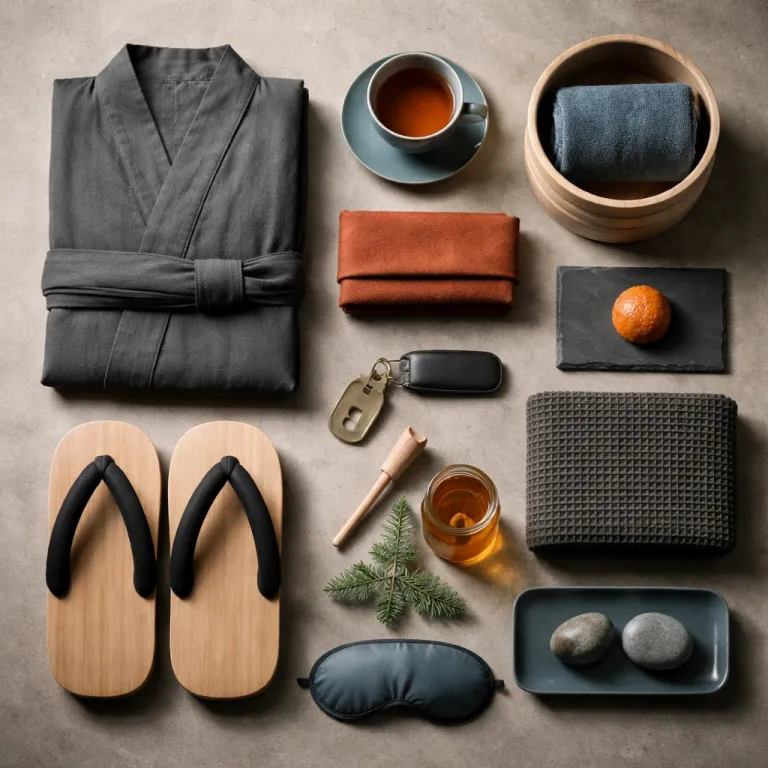
Niseko alpine luxury: where ski days end in onsen steam
Niseko has become the reference point for luxury hotels in Hokkaido, especially for couples who plan their year around the first snowfall. Powder hungry travelers fly into Hokkaido Japan, transfer from New Chitose Airport in roughly two to two and a half hours by private car or resort bus, and head straight to Niseko Hokkaido, where the right hotel choice shapes every ski day and every quiet evening. The best rooms here frame Mount Yotei like a painting, turning a simple room into a private theatre for the weather.
Higashiyama Niseko Village, a Ritz-Carlton Reserve, opened in 2020 as the flagship for alpine luxury hotels in Hokkaido, and it sets the tone for the whole region. This property is part of the ultra curated Ritz-Carlton Reserve portfolio, and the way the hotel integrates ski access, spa rituals and traditional Japanese aesthetics makes it a benchmark for hotels and resorts across Japan. Couples can reserve a room with direct access to onsen baths, then move from the slopes to the steam in under ten minutes on a good day.
The wider Niseko Village area offers a spectrum of hotels and resorts, from Skye Niseko with its ski to door convenience to design forward properties that quietly rival any village Ritz-Carlton address in the United States or Europe. In these hotels, every room is designed around gear storage, drying space and the ritual of returning from the ski hill, which matters more than thread count after a storm cycle. When you compare rooms across Niseko, look beyond square metres and ask how the hotel choreographs your ski, spa and dining rhythm.
For travelers who want the Ritz-Carlton name but also intimacy, the Higashiyama property balances both by keeping room counts under 60 keys and public spaces calm. You feel the Ritz-Carlton Reserve DNA in the service style, which is attentive but never over rehearsed, and in the way staff anticipate when you want privacy. This is where luxury hotels in Hokkaido show their maturity, offering ski valets, gear tuning and restaurant reservations as a seamless part of the stay rather than an added extra.
Not every couple needs full scale resorts, and some prefer a quieter hotel in Niseko that still delivers a strong onsen and spa program. Setsu Niseko, for example, leans into contemporary traditional Japanese design, with rooms that use timber, stone and soft textiles to echo the landscape without copying a ryokan. When you reserve here, ask specifically about private onsen options and whether your category includes an in room rotenburo, because a suite with its own hot spring fed bath changes how you experience every snowfall.
Onsen, hot springs and the art of slowing down in Hokkaido
Luxury hotels in Hokkaido are defined as much by their onsen as by their rooms, and understanding the hot springs culture will shape your itinerary. In Hokkaido Japan, volcanic geology gifts hotels access to mineral rich water, and the best properties build entire spa concepts around these onsen baths. Couples who plan carefully can reserve a sequence of stays that move from ski focused Niseko to deep relaxation in hot spring villages.
Higashiyama Niseko and other Niseko Village properties use their onsen as a bridge between the ski mountain and the hotel bar, turning the end of the ski day into a ritual. You step from the snow, store your gear, and within minutes you are soaking in outdoor pools while Mount Yotei fades into the dusk. This is where the difference between a standard hotel and true luxury hotels becomes obvious, because the design of the baths, the temperature control and the quiet service all work together.
South of Sapporo Japan, the valley of Jōzankei has long been a retreat for city residents, and today Ivy Jozankei and Chalet Ivy Jozankei reinterpret that heritage for modern travelers. These hotels use private onsen suites and carefully lit public baths to create a cocoon like atmosphere, ideal for couples who want to feel far from the city without a long transfer. When you reserve a room here, ask whether your category includes a private onsen, because those rooms often sell out first on weekends.
Lake Shikotsu, reachable in under an hour from New Chitose Airport by car or shuttle, offers another expression of Hokkaido hot springs luxury. Tsuruga Group properties around Lake Shikotsu focus on wellness, with spa programs built around beauty hot spring water and seasonal cuisine that reflects the lake and forest. For travelers arriving from the United States on long haul flights, a first night at a Lake Shikotsu hotel can reset the body clock before heading to Niseko Hokkaido or Furano.
Onsen etiquette matters, especially in more traditional Japanese environments where shared baths are the norm. Most hotels provide clear instructions in English in each room, but staff are used to questions and will happily explain how to use the onsen baths correctly. Respecting these rituals, from washing before entering the water to keeping towels out of the pools, deepens your connection to Hokkaido and to Japan as a whole.
For a broader look at nature focused retreats with strong hot springs programs, our guide to nature escapes and luxury stays in Hokkaido maps out how to combine lakeside, forest and mountain hotels in a single itinerary. This kind of planning helps you balance days of activity with slower spa days, especially on longer trips. It also ensures you experience both large scale resorts and more intimate hot spring properties.
According to one recent overview of the region, “Portom International Hokkaido, Solaria Nishitetsu Hotel Sapporo, and Skye Niseko are among the top luxury hotels.” That snapshot captures how the luxury landscape now stretches from airport adjacent properties to central city hotels and ski in ski out addresses. When you plan your own route through Hokkaido Japan, think of onsen and hot springs as the connective tissue between these very different styles of stay.
For travelers interested in how Hokkaido is positioning itself differently from other destinations in Japan, our analysis of why Hokkaido needs its own tourism playbook explains the shift in strategy. This context matters when you choose hotels, because it influences everything from new spa investments to how resorts communicate with international guests. Understanding that bigger picture helps you read between the lines of hotel marketing and focus on properties that genuinely invest in service and wellness.
Lakes, forests and quiet luxury beyond the ski resorts
Once you step away from Niseko and Furano, luxury hotels in Hokkaido take on a different rhythm, shaped by lakes, forests and long silences. Around Lake Shikotsu, for example, the focus shifts from ski access to water clarity, birdlife and the meditative effect of mist rising from hot springs at dawn. Rooms here tend to be more spacious, with large windows that frame the lake instead of the ski slopes.
Portom International Hokkaido, located close to New Chitose Airport inside the terminal complex, is a strategic first or last night stop that still feels like a destination hotel. Its design references traditional Japanese art and craftsmanship, which gives even standard rooms a sense of place that many airport hotels lack. Couples arriving from the United States often appreciate being able to check into a calm, art filled space within about ten minutes of clearing customs.
In Sapporo Japan, Solaria Nishitetsu Hotel Sapporo offers an urban counterpoint to the mountain and lake resorts. Here, rooms are compact but cleverly planned, and the hotel’s location about five minutes on foot from Sapporo Station makes it a practical base for exploring the city’s food scene. When you reserve, consider whether you want to prioritise easy access to ramen alleys and cocktail bars, or whether you prefer to stay closer to Odori Park for quieter evenings.
Forest retreats such as Chalet Ivy Jozankei and Ivy Jozankei sit between city and wilderness, using hot springs and spa programs to create a sense of escape. These hotels often offer private onsen rooms alongside larger communal baths, giving couples the choice between solitude and shared ritual. The service style tends to be more personalised than in large scale resorts, with staff remembering your preferred sake or how you take your coffee by the second day.
When you compare hotels and resorts across Hokkaido Japan, pay attention to how each property uses its landscape. Lakeside hotels might offer canoeing, forest walks and stargazing, while mountain resorts focus on ski, snowshoe and backcountry experiences. The best luxury hotels weave these activities into the stay, so that your room, the spa and the surrounding nature feel like parts of a single narrative.
To understand how these different regions fit together, our detailed region by region guide to where to stay in Hokkaido breaks down the island by travel style. Couples can use it to decide whether to split time between Niseko Hokkaido and Lake Shikotsu, or to add a night in Sapporo Japan for urban contrast. This kind of planning ensures that every hotel you reserve plays a clear role in the overall journey.
Price wise, expect a wide range, from around 20,000 Japanese yen per night at quieter times to well over 100,000 yen at peak in top tier properties. New accommodation taxes at the luxury tier, such as a 500 yen charge once nightly rates exceed 50,000 yen in some municipalities like Kutchan, are a small percentage of the total but worth factoring into your budget. When you evaluate value, look at what is included in the room rate, especially access to onsen baths, breakfast quality and any spa credits.
For couples who value silence as much as service, these lakes and forests can be more compelling than the busiest ski villages. A day spent walking around Lake Shikotsu, followed by a long soak in hot springs and a multi course dinner, offers a different kind of luxury than first tracks. The key is to be honest about what you want from your time in Hokkaido, then choose hotels that align with that rhythm.
How to choose the right luxury hotel in Hokkaido for you
Choosing between luxury hotels in Hokkaido starts with one simple question, which is whether your priority is ski, onsen or food. Couples who build their trip around ski days will naturally gravitate toward Niseko, Furano and other mountain areas, where hotels and resorts are designed around snow logistics. Those who care more about hot springs and spa rituals might be happier in Jōzankei, Lake Shikotsu or other onsen focused villages.
In Niseko Village and the wider Niseko Hokkaido area, look closely at how each hotel handles access to the lifts. Some properties, such as Skye Niseko, offer true ski to door convenience, while others rely on shuttles that add time to the start and end of each day. When you reserve, ask the hotel to explain the exact distance from your room to the nearest ski run in metres and how often their shuttle operates at peak times, because marketing language can be vague.
Room layout matters more than many travelers expect, especially for longer stays. In ski focused hotels, check whether rooms have drying areas for gear, enough hooks for jackets and space to store suitcases without blocking circulation. In onsen centric properties, look for rooms that integrate tatami areas, deep soaking tubs and balconies, which make it easier to enjoy the landscape between spa sessions.
Service style is another key differentiator between hotels and resorts across Hokkaido Japan. International brands such as Ritz-Carlton and Ritz-Carlton Reserve bring a familiar structure, with concierge desks, loyalty program benefits and polished English communication. Independent properties, from Chalet Ivy to Ivy Jozankei, often offer more idiosyncratic but deeply personal service, where staff remember your preferences and adapt quickly.
For couples arriving from the United States or Europe, jet lag and travel fatigue should influence your first hotel choice. Staying at Portom International Hokkaido near New Chitose Airport or at a Lake Shikotsu property allows you to rest, adjust and enjoy onsen baths before tackling ski logistics. By the second or third day, you will be better placed to appreciate the full range of amenities at a more complex ski resort hotel.
Seasonality also shapes what luxury means in Hokkaido. In deep winter, the ability to move from ski to onsen to dinner without stepping into a storm can feel like the ultimate indulgence, while in summer, access to hiking trails, cycling routes and lake activities becomes more important. When you reserve, ask hotels how their offerings change by season, from spa menus to restaurant concepts.
Finally, be realistic about how much time you will actually spend in your room. If you plan long ski days and late izakaya nights, you may value location and onsen quality over in room design, whereas couples seeking a romantic retreat might prioritise suites with private onsen and panoramic views. The best luxury hotels in Hokkaido are those whose rooms, service and surroundings match the way you actually travel, not the way you imagine you might.
Inside the room: design, privacy and the details that matter
Step into a well designed room in Hokkaido and you feel the island’s character in the materials, the light and the way space is used. Luxury hotels in Hokkaido increasingly blend traditional Japanese elements such as tatami, shoji screens and low seating with contemporary comforts like high thread count linens and advanced climate control. This hybrid approach works particularly well in mountain areas, where timber, stone and wool echo the surrounding landscape.
In properties such as Higashiyama Niseko Village, a Ritz-Carlton Reserve, the room becomes a sanctuary between ski sessions and spa visits. Large windows frame Mount Yotei, while deep soaking tubs invite long baths after a cold day on the slopes. Subtle details, from the placement of reading lights to the quality of the tea set, signal that the hotel understands how guests actually use the space.
Private onsen facilities are one of the most sought after room features in Hokkaido Japan. Some hotels offer suites with open air hot spring baths on the balcony, allowing couples to soak in steaming water while snow falls silently around them. These rooms often command a premium, but for many travelers, the combination of privacy, onsen culture and landscape views justifies the rate.
In urban hotels such as Solaria Nishitetsu Hotel Sapporo, space is tighter, so smart design becomes crucial. Here, rooms use sliding doors, built in storage and multi functional furniture to create a sense of openness without sacrificing practicality. Couples should pay attention to floor plans when they reserve, especially if they plan to work remotely or spend more time in the room during shoulder seasons.
Soundproofing and privacy are non negotiable at the luxury level, particularly in hotels and resorts that host both couples and families. Ask about room placement, corner units and higher floors if you are sensitive to noise, and do not hesitate to request a change if the first assignment feels compromised. In many Hokkaido hotels, staff will quietly move you after the first night if a better option is available.
Bathroom design is another area where luxury hotels in Hokkaido differentiate themselves. Some properties offer wet room style layouts with rain showers and separate soaking tubs, while others integrate onsen inspired stone baths that echo traditional Japanese ryokan. For couples, double vanities, generous counter space and good lighting can make the difference between a functional room and a genuinely comfortable one.
Finally, consider how the room connects to the rest of the hotel. Direct access to spa areas, proximity to quiet lounges and easy routes to restaurants can all enhance privacy and convenience. When you evaluate options in Niseko Hokkaido, Furano or Lake Shikotsu, think of the room not as an isolated box but as one part of a carefully choreographed stay.
Practical planning: routes, seasons and making the most of your stay
Planning a luxury trip to Hokkaido starts with mapping your route between New Chitose Airport, Sapporo Japan, Niseko and any lakes or hot spring villages you want to include. Most international travelers arrive via New Chitose, and some flights from the United States connect smoothly through Tokyo, making same day transfers to Niseko Hokkaido or Lake Shikotsu feasible. That said, building in one slower day at the start can transform how rested you feel for the rest of the journey.
Winter remains the headline season for many luxury hotels in Hokkaido, thanks to the island’s consistent powder snow and well developed ski infrastructure. Niseko Village, Furano and other resorts see peak demand from late December through February, when room rates climb and the best suites at properties like Higashiyama Niseko or Skye Niseko sell out months in advance. Couples who value quieter slopes and lower prices might prefer early December or March, when the snow is still excellent but the atmosphere more relaxed.
Summer and autumn reveal a different side of Hokkaido Japan, with lavender fields in Furano, hiking around Mount Yotei and lake activities at Lake Shikotsu. During these seasons, hotels shift their focus from ski logistics to cycling, trekking and culinary experiences built around seafood, dairy and seasonal produce. Room rates often soften compared with peak winter, making higher categories and private onsen suites more accessible.
When you reserve luxury hotels in Hokkaido, pay attention to cancellation policies and deposit requirements, which can be stricter during peak ski periods. Some hotels and resorts offer early booking discounts or packages that bundle lift passes, spa treatments and dining credits, which can represent good value if you plan to use all elements. Always compare the flexible and non refundable rates, especially if your flights from the United States or Europe involve multiple connections.
Transport between regions is straightforward but benefits from planning. Trains link New Chitose Airport to Sapporo Japan in about 40 minutes, while private transfers or rental cars handle the final legs to Niseko, Furano or Lake Shikotsu, and many hotels can arrange these services directly. If you prefer not to drive in winter conditions, choose hotels with strong shuttle networks and clear information about transfer times.
Finally, think about how many hotel changes you really want during your time in Hokkaido. A common pattern for couples is two or three nights near Lake Shikotsu or Jōzankei for hot springs, four or five nights in Niseko Hokkaido or Furano for ski or hiking, and one night in Sapporo Japan for urban dining before flying out. This balance allows you to experience different styles of luxury without spending every second day packing and unpacking rooms.
Key figures and trends in Hokkaido’s luxury hotel scene
- There are roughly a few dozen recognised luxury hotels in Hokkaido, according to recent counts from specialist accommodation guides, which means choice is broad but still curated compared with larger markets in Japan.
- Typical nightly rates at luxury hotels in Hokkaido range from about 20,000 to over 100,000 Japanese yen, with the highest prices concentrated in peak winter at ski focused properties in Niseko and Furano.
- A new accommodation tax of around 500 Japanese yen per person per night can apply once room rates exceed 50,000 yen in some municipalities, a small but noticeable addition at the top end of the market.
- Demand for ski in ski out or ski to door hotels and resorts has increased steadily over the past decade, driven by international travelers from the United States, Australia and Asia seeking reliable powder and high service standards.
- Wellness focused amenities, including large scale spa facilities, onsen baths and private onsen suites, are now central selling points for many luxury hotels in Hokkaido, reflecting a global shift toward restorative travel.
FAQ about luxury hotels in Hokkaido
What are the top luxury hotels in Hokkaido for first time visitors ?
For a balanced first trip, many travelers combine Portom International Hokkaido near New Chitose Airport, Solaria Nishitetsu Hotel Sapporo in central Sapporo and a ski focused property such as Skye Niseko or Higashiyama Niseko Village, a Ritz-Carlton Reserve. This mix delivers airport convenience, urban exploration and mountain luxury in a single itinerary. It also showcases different interpretations of service and design across Hokkaido Japan.
Where is Portom International Hokkaido located and why choose it ?
Portom International Hokkaido sits close to New Chitose Airport, making it an ideal first or last night stop for long haul travelers. Couples arriving from the United States or Europe can move quickly from arrivals to a calm, art filled hotel without navigating winter roads. The property’s design and service level mean this feels like a destination stay rather than a simple airport hotel.
Does Skye Niseko really offer ski to door access ?
Yes, Skye Niseko is positioned to provide genuine ski to door convenience, which means you can step out of the hotel and reach the slopes with minimal walking. This setup is particularly valuable on stormy days, when reducing time spent outdoors in heavy snow makes a big difference. It also allows couples to return easily to their room or the spa between runs.
How far in advance should I reserve luxury hotels in Hokkaido during winter ?
For peak winter dates in Niseko Hokkaido and Furano, it is wise to reserve six to twelve months ahead, especially if you want specific room types or private onsen suites. Shoulder season stays and non ski regions such as Lake Shikotsu or Jōzankei usually offer more flexibility, but popular weekends can still fill quickly. Booking early also gives you a better chance of securing favourable cancellation terms.
Are luxury hotels in Hokkaido suitable for non skiers ?
Many luxury hotels in Hokkaido are excellent choices even if you never plan to ski. Onsen baths, spa programs, culinary experiences and access to lakes, forests and cultural sites provide plenty to do on non ski days. Couples who prioritise relaxation often focus on hot spring villages, lakeside resorts and urban hotels in Sapporo Japan rather than pure ski destinations.