From Kyoto’s crowds to Hokkaido’s quiet: why luxury choices matter
Kyoto has become the global shorthand for overtourism in Japan. While the number of tourists surges through its narrow lanes and fragile cultural districts, Hokkaido is quietly testing a different path that could redefine how international visitors and Japanese tourists travel. The question for you as a luxury guest is simple yet powerful: will your next stay in Hokkaido be part of the problem or part of the solution?
Efforts to manage visitor pressure in Hokkaido start with geography and intent. The island is vast, but tourism has long been concentrated in a Sapporo–Niseko–Otaru corridor, leaving eastern Hokkaido, Wakkanai and the Kushiro area comparatively under visited by foreign tourists and domestic travelers. That imbalance strains local communities in a few scenic spots while leaving other small town economies and forests of ancient trees without the visitor spending that could help them thrive.
Policy makers have understood this tension and are moving fast. In its 2023 tourism promotion plan, the Hokkaido Prefectural Government set a clear dispersal strategy that promotes green tourism, encourages people to visit Hokkaido beyond the usual ski resort clusters and invests in infrastructure that can genuinely mitigate overtourism. The plan, published on the prefecture’s official website, outlines targets for longer stays, higher per guest spending and better crowd management across the island. At the same time, local authorities in Niseko and Biei are experimenting with tourism taxes and visitor management tools that will reshape how luxury hotels, chalets and ryokan operate across the region.
For high end travelers, this is not a theoretical debate. Every time international visitors book a three night stay in Niseko but skip Hakodate, Kushiro or Lake Mashu, they reinforce a pattern that pushes the number of tourists into a narrow band of already saturated areas. When foreign tourists fly in with Japan Airlines for a quick powder hit and then leave without exploring lesser regions, the travel experience becomes more extractive than immersive. Sustainable travel in Hokkaido depends on a different rhythm: longer stays, slower journeys and a willingness to trade one famous park for three quieter lakes and forests.
Luxury and premium hotels are central to this shift. Properties that design stays around local culture, seasonal food and low impact adventure travel can change how visitors move, spend and behave. When a hotel concierge suggests a guided walk through a protected area of trees instead of another crowded viewpoint, they are not just curating an experience, they are actively helping to ease visitor pressure across Japan’s most popular regions.
The Niseko model and beyond: how policy meets premium hospitality
Niseko is often framed as the symbol of overtourism in Hokkaido. Powder hungry international visitors and Japanese tourists have transformed this once quiet small town into a global ski resort hub, with luxury chalets, branded residences and high end hotels lining the slopes. That growth has brought prosperity, but also pressure on local communities, infrastructure and the surrounding park and forest ecosystems.
In response, local authorities have launched what they call the Niseko Model. This initiative tackles overtourism Japan style by combining a per night accommodation tax of around 2–3% of the room rate, stricter development rules and incentives for sustainable transport that reduce car traffic between ski resort villages and nearby scenic spots. First piloted in 2020 and expanded in stages through 2023, it is a test case for how tourism in Japan can balance high value travel with the need to protect rivers, trees and the daily life of local people who live in the region year round.
For luxury travelers, the Niseko Model changes the conversation with hotels. Expect more transparent sustainability practices, from energy efficient design to partnerships with local communities that keep more tourism industry revenue in town. Local government documents and hotel sustainability reports describe measures such as renewable energy use, waste reduction targets and caps on peak season visitor numbers. Some properties structure packages that encourage guests to visit Hokkaido beyond Niseko, adding nights in Hakodate, Kushiro or eastern Hokkaido wetlands to spread visitors and support lesser regions that rarely see the same number of tourists.
Green tourism is no longer a marketing slogan here. When asked, local officials will tell you plainly: “What is green tourism? Sustainable travel minimizing environmental impact.” Hotels that take this seriously are rethinking everything from airport transfers with Japan Airlines codeshare timing to curated rail journeys that turn travel days into part of the experience rather than a rushed commute. The most effective approaches to crowd management are those that make the low impact choice feel like the most luxurious option in the room.
There is also a quiet cultural shift underway. Guests who once treated Niseko as a Japanese outpost of an international ski circuit are now seeking a deeper travel experience that connects them to Hokkaido’s food, language and culture. As one Kutchan town official explained in a 2022 briefing, the goal is “fewer cars, longer stays and more time in local streets, not just on the lifts.” When a concierge suggests a winter side trip to Lake Mashu or a spring visit to a coastal small town fishing port instead of another day lapping the same lift, they are inviting you into a different kind of adventure travel, one that respects both land and people.
Eastern Hokkaido, Kushiro and Lake Mashu: dispersal as a luxury strategy
The most promising responses to crowding in Hokkaido do not ask you to sacrifice comfort. They invite you to reframe what luxury means in Japan, swapping crowded streets for silence and over photographed temples for mist rising off a crater lake at dawn. Eastern Hokkaido, anchored by Kushiro and the national park systems around it, is where this new definition of travel is taking shape.
Here, the tourism industry is still young enough to learn from Kyoto’s mistakes. Instead of chasing sheer visitor volume, local governments and hoteliers are prioritizing low density stays that give guests space while protecting wetlands, forests and wildlife. When you wake in a lakeside suite overlooking Lake Mashu or another remote lake, you feel the difference immediately: there is no queue, no rush, only the quiet choreography of clouds, trees and water.
For solo travelers, this region is a gift. You can design an adventure travel itinerary that moves from Kushiro’s marshlands to the Shiretoko Peninsula, then south to lesser regions where small town life still revolves around fishing, farming and onsen culture. Each stop offers a different travel experience, yet all share a commitment to working with local communities so that tourism in Japan does not repeat the overtourism patterns seen elsewhere.
Premium hotels in eastern Hokkaido are learning to act as both hosts and guardians. Many now cap guest numbers in peak seasons, encourage off season visits and build packages that include guided walks with local people who explain how climate, trees and wildlife shape the area. One lodge near Lake Akan reports in its own guest surveys that more than 60% of winter visitors now join at least one nature program led by local guides, a sign that guests are willing to trade a little convenience for deeper context. When you choose these stays over another night in the Otaru–Niseko corridor, you help relieve pressure on hotspots by shifting demand toward regions that welcome visitors without being overwhelmed.
There is also a strategic advantage for discerning travelers. While famous scenic spots near Sapporo can feel crowded, the wetlands around Kushiro or the caldera rim above Lake Mashu often remain almost empty, especially outside peak holidays. Hokkaido’s most thoughtful crowd management strategies work best when they align your desire for space and authenticity with the island’s need to distribute visitors more evenly across its vast region.
How to book responsibly: practical moves for luxury guests in Hokkaido
Responsible booking in Hokkaido starts long before you arrive in Japan. When you choose where to stay, how long to visit and which areas to include, you are effectively voting for one version of tourism over another. The most powerful contributions to sustainable travel are often hidden in these quiet decisions that only you and your hotel booking screen will ever see.
Begin by stretching your itinerary beyond the usual suspects. Pair a few nights in a Niseko ski resort or an Otaru–Niseko coastal stay with time in Hakodate, Kushiro or eastern Hokkaido, using our guide to where to stay for the best ski resort in Hokkaido experience at Stay in Hokkaido as a planning anchor. This simple shift reduces pressure on a handful of scenic spots while channeling spending into lesser regions and small town economies that want visitors but do not yet face the same level of crowding.
Next, look closely at how hotels talk about sustainability. Do they reference local communities, support for regional culture and concrete steps to reduce environmental impact, or do they rely on vague language about being eco friendly without data? Serious properties will share specifics about energy use, waste reduction, partnerships with local people and how they manage the number of tourists they host in peak seasons.
Transport choices matter as well. When booking flights with Japan Airlines or other carriers, consider arrival times that allow you to connect to rail rather than defaulting to private cars for every leg of your travel experience. Some hotels now coordinate luggage transfers so that international visitors and Japanese tourists can move between regions by train, turning long journeys into part of the adventure travel narrative rather than a logistical burden.
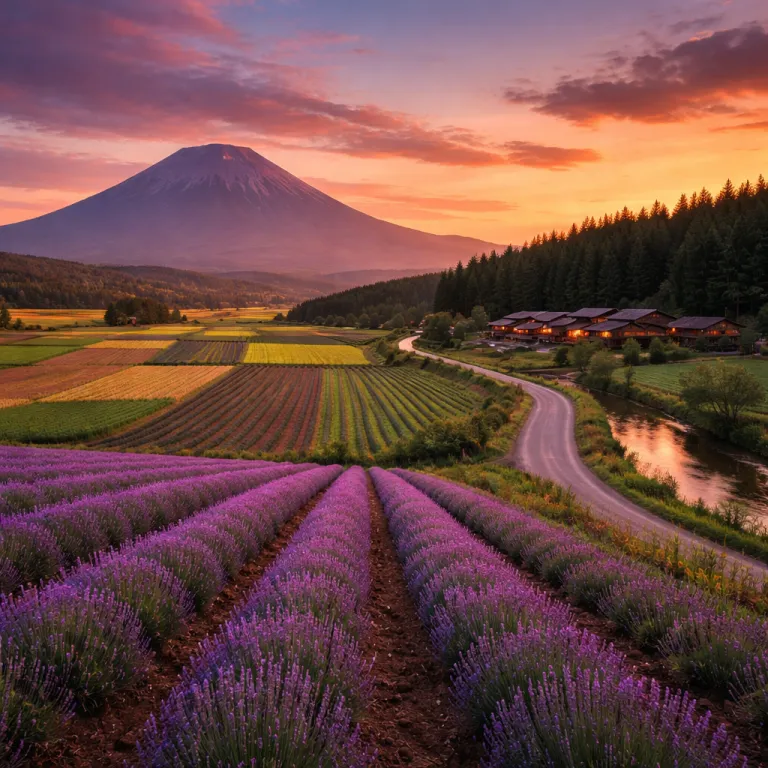
Finally, pay attention to how you move once you visit Hokkaido. Choose guided walks in protected park areas over unsupervised wanderings through farmland, a lesson learned painfully in Biei where tourism once damaged crops as people chased the perfect photograph. As reported by the Asahi Shimbun in 2019, the town’s roughly 2 million annual visitors prompted new rules and patrols to protect fields. When you respect boundaries, listen to local culture keepers and accept that not every lake, forest or grove of trees needs your footprint, you embody the most meaningful form of luxury travel in Hokkaido: privilege expressed as restraint, not excess.
Key figures shaping the future of tourism in Hokkaido
- International visitors to Hokkaido reached 3.11 million in 2019, according to data summarized by Japaan.net from the Japan Tourism Agency and Japan National Tourism Organization (JNTO), underscoring how quickly tourism in Japan is expanding on the northern island.
- Biei now welcomes around 2 million tourists each year, based on a 2019 Asahi Shimbun report that documented farmland damage and prompted local authorities to rethink visitor management and introduce stricter rules.
- The Hokkaido Prefectural Government’s current tourism strategy, updated in 2023 and available through official prefectural publications, focuses on promoting eastern Hokkaido and other lesser regions to distribute visitors more evenly, aiming for balanced tourism growth rather than simply increasing the number of tourists.