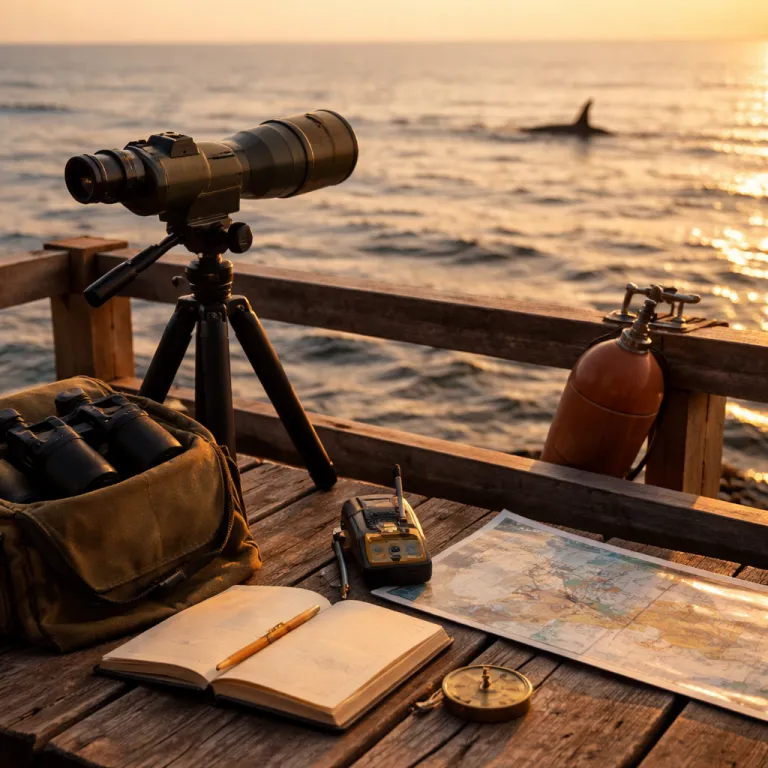
Why Rausu belongs on every luxury Hokkaido summer itinerary
On Hokkaido’s remote Shiretoko Peninsula, the small town of Rausu offers one of Japan’s most reliable whale watching seasons. Families who plan their time here carefully will find an experience that feels closer to a private expedition than a standard cruise. For premium travelers used to Niseko chalets and Furano resorts, a few days in Shiretoko Rausu recalibrate what a luxury nature escape can be.
The UNESCO World Heritage Site status of the Shiretoko Peninsula is not a marketing flourish, because this coastline concentrates whales, dolphins and seabirds in a narrow band of nutrient rich sea. In summer, orca pods and sperm whales work the deep offshore canyons while dense feeding flocks of seabirds wheel above, and the whole scene unfolds within sight of the Shiretoko mountain range. From the deck of a Shiretoko whale cruise, you can trace the line of each Shiretoko mountain while your guide explains how the drift ice of winter feeds the plankton that sustains these whales.
For travelers researching “hokkaido whale watching rausu”, the key is understanding how season, weather and logistics shape the experience. Local operators and tourism offices broadly agree on the official guidance: “April to October, with peak sightings in May and July.” That window is generous, yet the best day for a Rausu whale watching cruise will always depend on sea conditions, so building two or three flexible mornings into your itinerary gives your family the highest chance of seeing sperm whales, killer whales and the occasional mixed group of whales and dolphins.
How the Rausu whale watching cruises work for families
Most whale watching departures in town Rausu are compact, two to three hour cruises that fit easily around a relaxed resort breakfast or an afternoon onsen. Typical operators such as Shiretoko Nature Cruise and the Aruran III vessel board passengers at the small harbor, then set sail quickly into deep water where whales feed. With a cruise duration of around 2.5 hours, even younger children usually stay engaged, especially when the captain swings the boat to follow a pod of killer whales.
On board, expect a straightforward but safety focused set up with life jackets, binoculars and clear briefings about how close the cruise will approach whales and dolphins. The best operators now use drones for whale observation, which allows guides to spot sperm whales or a group of dolphins from the air before positioning the boat, and this innovation has quietly raised the quality of every nature cruise. Families should dress warmly even in high summer, because the wind over cold water can feel like late autumn, and the air temperature drops sharply when the boat reaches the drift ice zone in shoulder seasons.
Luxury minded travelers often pair a morning cruise Rausu experience with a slow drive over Shiretoko Pass to Utoro, where more polished hotels and ryokan style properties wait. This is where you start comparing new summer hotel openings across Hokkaido and deciding whether to base yourself on the Utoro side or return to Rausu for another Shiretoko whale cruise. For those planning a multi day stay, a private transfer with a driver guide can be arranged through high end Hokkaido concierges, and this option turns the winding road between Rausu and Utoro into a relaxed sightseeing hour rather than a navigation challenge.
Choosing where to stay: from Rausu harborside inns to Shiretoko retreats
Rausu itself offers modest but characterful harborside inns, some with rooms that look directly over the sea where the cruise boats set sail at first light. These properties are not about marble lobbies or champagne bars; instead, the luxury comes from proximity, because you can walk from your futon to the pier in under five minutes. For families focused on hokkaido whale watching rausu experiences, staying in town Rausu for at least one night maximizes flexibility when the weather shifts.
On the western flank of the Shiretoko Peninsula, Utoro has a small cluster of higher end hotels with larger rooms, polished service and onsen baths that frame the Shiretoko mountain range. These make sense for premium family travelers who want a softer landing after a bracing day on the water, and they pair well with wider Eastern Hokkaido touring that includes Akan Mashu National Park or the Kushiro Marshland. When you start mapping a longer route, it is worth reading about how Biei’s tourism crisis is reshaping expectations around sustainable travel in Hokkaido, because the same pressures are beginning to touch Shiretoko nature tourism.
For a deeper dive into nature focused luxury stays, the curated guide to nature escapes in Hokkaido on stay in Hokkaido is an essential planning tool. It helps you weigh whether to spend more nights near Shiretoko Rausu or to shift your base inland toward lakes and forests after your whale watching days. Either way, the combination of a morning watching cruise, an afternoon onsen and a dinner built around local seafood quietly redefines what a family holiday in Japan can feel like.
Seasonal strategy: timing, logistics and practical tips for Rausu
Whale watching from Rausu runs from spring to autumn, but the character of each month changes the experience. Early season days can still see drift ice offshore, and while that makes for dramatic photography, the air over the water is sharp enough that you will want serious layers. By high summer, the drift ice has gone, the sea is calmer, and long daylight hours mean you can fit a morning cruise, a drive over Shiretoko Pass and an evening walk along the harbor into one unhurried day.
Reaching Rausu from the rest of Hokkaido usually means flying to Memanbetsu or Nakashibetsu, then driving two to three hours along quiet coastal roads. Many luxury travelers arrange a private car and driver so that the transfer time becomes a rolling introduction to Eastern Hokkaido, with pauses at viewpoints over the Shiretoko Peninsula and its mountain range. If you prefer to self drive, reserve a car well ahead and confirm whether your hotel offers free parking, because smaller inns in town Rausu sometimes have limited space near the water.
Once in Rausu, book your watching cruise for your first full morning, then keep a second slot in reserve in case wind or waves cancel the initial departure. Operators recommend that passengers check weather conditions the day before, dress warmly and arrive early enough to board without rushing, and these small details often make the difference between a stressful scramble and a calm, anticipatory hour on the pier. The broader impact of these cruises is significant too, with increased eco tourism and the use of drones for observation helping to fund conservation work and raise awareness of how fragile this stretch of Japan’s coastline remains.
FAQ
What is the best time for whale watching in Rausu ?
The most reliable period for whale watching in Rausu runs from April to October, when nutrient rich currents draw whales close to the Shiretoko Peninsula. Official guidance from local cruise operators notes: “April to October, with peak sightings in May and July.” Within that window, June to August usually offers the calmest seas for families, while July is particularly good for sperm whales.
Which species can I expect to see on a Rausu cruise ?
Rausu’s rich marine ecosystem supports sperm whales, killer whales, several dolphin species and abundant seabirds that some operators describe as spectacular feeding frenzies when bait fish are driven to the surface. Sightings vary by day and season, but sperm whales are more common in mid summer, while orcas often appear in late spring. Guides on each nature cruise will explain which species are currently active and how close the boat can safely approach them under Japanese wildlife guidelines.
How long do whale watching cruises from Rausu usually last ?
Most standard departures last around 2.5 hours, which balances enough time offshore to locate whales with a duration that remains comfortable for children. Some operators offer slightly shorter or longer options, but two to three hours is typical for a watching cruise in this area. Morning departures often have calmer conditions, so many families choose the earliest sailing of the day.
Is Rausu suitable for a luxury or premium family stay ?
Rausu itself is simple and focused on the harbor, yet it works well as a base for premium families who value access to nature over formal luxury. You can combine one or two nights in town Rausu with a stay at higher end properties in Utoro or around Eastern Hokkaido, creating an itinerary that balances wilderness with comfort. Private transfers, tailored meal arrangements and carefully chosen rooms with sea views all help elevate the overall experience.
Do I need to book whale watching tours in advance ?
Advance reservations are strongly recommended, especially during peak weeks when hokkaido whale watching rausu has become a signature summer activity. Boats have limited capacity, and operators must balance passenger numbers with safety and wildlife guidelines. Booking early also allows you to coordinate cruise times with hotel check in and onward travel across Hokkaido.