The ryokan model as Hokkaido’s quiet luxury revolution
A Hokkaido luxury ryokan stay is not another premium hotel upgrade. It is a different hospitality system where the ryokan, the landscape and the seasons share equal billing. In Hokkaido this means snow packed forests, volcanic ridgelines and deep hot spring lake basins shaping every detail of your stay.
International chains bring polished hotel rooms and familiar loyalty programmes, yet they cannot replicate the way a traditional ryokan hokkaido property folds local life into each suite. You arrive, slip into a cotton yukata, feel the cold air on your face as you cross to the open air baths, then sink into a mineral rich onsen that smells faintly of snow and stone. This choreography of private welcome, shared ritual and seasonal rhythm is the island’s strongest luxury card.
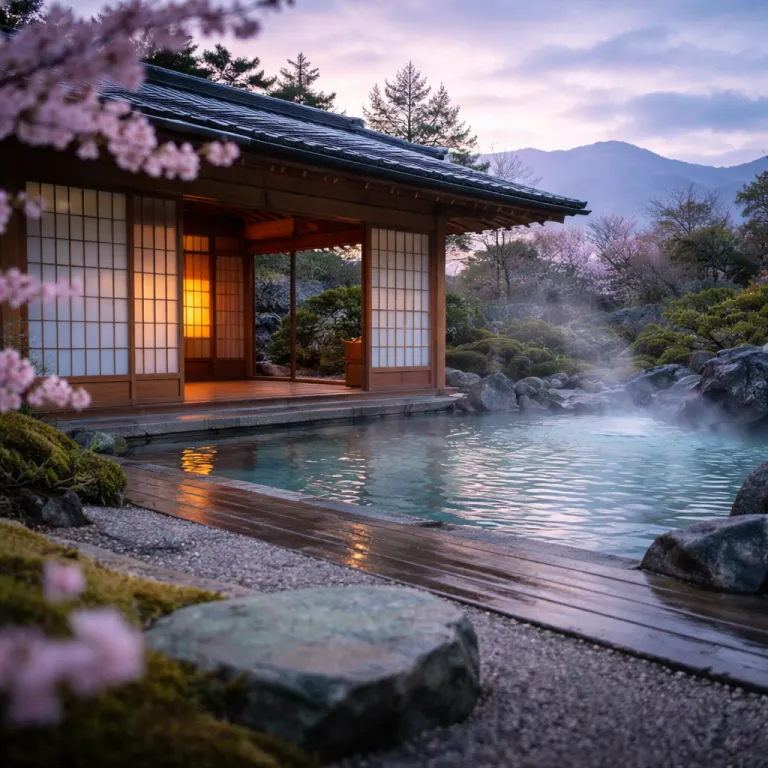
Hokkaido’s best ryokan owners understand that couples booking a romantic escape want more than a large spa or a branded pillow menu. They want rooms private enough for late night conversations, a bath terrace where steam rises into the dark, and a view that changes with every hour. In a Hokkaido luxury ryokan, the line between room, onsen deck and nature is intentionally thin.
Take Zaborin Ryokan in Hanazono near Kutchan, one of the most quietly influential names in the region’s luxury scene. Zaborin is a contemporary Japanese style interpretation of the classic ryokan, built as a cluster of villas rather than a single hotel block. Each villa has two soaking options, one indoor tub and one open air pool, so couples can choose their own rhythm of immersion.
The property’s location in the forests above Niseko means the rooms open directly to powder snow in winter and lush green undergrowth in summer. When the sliding doors are open, the boundary between outdoor baths and living space almost disappears, and the only sound is wind moving through birch trees. This is where the Hokkaido luxury ryokan model outplays any tower hotel lobby.
Food is the other pillar. At Zaborin, the kitchen serves seasonal Kita Kaiseki, a multi course expression of Hokkaido’s produce that turns breakfast and dinner into quiet theatre. Kita Kaiseki is a regional take on kaiseki cuisine, with each dish highlighting local seafood, mountain vegetables and dairy.
For couples used to late restaurant bookings, the fixed time breakfast and dinner format can feel rigid at first. Yet this structure is part of the luxury, because it allows the kitchen to work with ultra fresh seafood and mountain vegetables sourced that morning. In a Hokkaido luxury ryokan, the most memorable evening meal is often the one you never had to choose from a menu.
Even the way you sleep signals a different value system. Many Hokkaido properties still offer futons on tatami, sometimes alongside western beds in separate rooms, giving guests a choice between tradition and familiarity. The point is not nostalgia; it is a deliberate slowing down that no urban hotel suite can match.
For travellers comparing options across the island, a curated Hokkaido resort guide to onsen, ski lodges and lakeside stays is invaluable. Yet when you filter for intimacy, cultural immersion and landscape first design, the ryokan model consistently rises to the top. That is why, for couples planning a first serious trip to Hokkaido, at least one night in a traditional inn is effectively non negotiable.
Why Hokkaido ryokan feel different from Kyoto’s classics
Kyoto’s historic inns are about polished ritual; a Hokkaido luxury ryokan is about elemental contact. In the north, the air is sharper, the snow deeper and the hot water more obviously volcanic. This geography changes everything from architecture to the way onsen etiquette is taught to first time guests.
In Kyoto, you might gaze at a manicured garden while soaking in a cedar bath. In Hokkaido, you sit in an open air pool while snow piles on the rocks, and the only garden is a wild forest or a frozen lake. The hot spring lake settings around Lake Akan, Lake Shikotsu and Lake Toya give many ryokan hokkaido properties a cinematic quality that Kyoto simply cannot match.
Take the Tsuruga Group, whose portfolio quietly maps the island’s most compelling waters. At Lake Akan, the Tsuruga resort properties lean into Ainu culture, framing the lake akan shoreline with rooms private enough for couples yet close to traditional performances. Around Lake Toya, Tsuruga’s lakeside houses use rooms open to the caldera, turning every private soak into a geology lesson.
Then there is Shikotsu Tsuruga, a flagship shikotsu tsuruga property on the shores of Lake Shikotsu, where the water is famously clear. Here, a Hokkaido luxury ryokan stay means private open terraces facing the lake, outdoor baths that catch the morning mist and onsen tubs fed directly from the spring. The architecture is modern, but the hospitality is resolutely Japanese style.
Compared with Kyoto, service in Hokkaido is often less formal yet more intuitive. Staff will still guide you through onsen etiquette — how to wash before entering, why you never bring a towel into the hot spring — but the tone is relaxed, especially in ski areas like Niseko. For many international couples, this balance of guidance and freedom makes the first open air bath experience less intimidating.
Cuisine also diverges. Kyoto’s kaiseki is delicate and temple like, while Hokkaido’s Kita Kaiseki leans into crab, sea urchin and dairy, with breakfast tables that can rival dinner. A Hokkaido luxury ryokan will often serve grilled fish, onsen steamed vegetables and rich miso soups that reflect the island’s colder climate. This heartier style pairs naturally with long soaks in hot pools and slow mornings in your room.
Even the way you move through a property feels different. In Kyoto, corridors are hushed and inward facing; in Hokkaido, many rooms open directly to decks, snowy paths or lakeside promenades. You step from tatami to crunching snow in a few strides, feeling the air shift from hot to sub zero before returning to your private onsen.
For travellers trying to understand these nuances before booking, a detailed refined guide to Hokkaido onsen and hot spring escapes is essential reading. It helps you decode which private bathing setups suit you best, from cliffside pools above Lake Toya to forest baths near Niseko. Once you grasp this, the choice between Kyoto and Hokkaido stops being a simple city versus countryside question.
Inside the stay: how a Hokkaido ryokan rewrites luxury
Spend twenty four hours in a Hokkaido luxury ryokan and you quickly see how it rewires expectations. The day is structured around bathing, eating and resting, not meetings, transfers and check out times. For couples used to urban hotel stays, this shift can feel radical in the best possible way.
Mornings usually begin with a quiet walk to the onsen area, where open air pools steam against the cold air. You shower thoroughly, step into the hot spring and feel your heartbeat slow as the outdoor baths wrap you in mist. This is not a quick dip before breakfast; it is the central ritual of the day.
Back in your room, breakfast is served either in a private dining space or in a small restaurant where tables are well spaced. At a serious Hokkaido luxury ryokan, the morning meal might include grilled fish, onsen eggs, pickles and rice, all sourced from nearby farms and fisheries. The effect is quietly luxurious, because it ties your stay to the surrounding Hokkaido landscape rather than to a generic buffet.
Afternoons are for slow exploration. Around Lake Akan, you might walk from your Tsuruga resort to an Ainu cultural centre, then return for a soak in a private open tub overlooking the lake. Near Lake Shikotsu, a stay at Shikotsu Tsuruga lets you kayak on glass clear water before retreating to rooms private enough for an afternoon nap.
In winter, couples based at Zaborin can ski Niseko’s powder by day and retreat to their villa by night. Each villa’s private onsen setup — one indoor bath, one open air pool — means you can alternate between shelter and snow as the mood takes you. The rooms open to forest views, so even drying off becomes part of the landscape experience.
Evenings are when the ryokan model most clearly outperforms a standard hotel. A multi course kaiseki dinner arrives in a steady rhythm, often featuring seafood from nearby coasts and vegetables grown within a short drive. By the time dessert appears, you have eaten your way through a map of Hokkaido without leaving your room or dining alcove.
After dinner, many couples return to the private baths for a final soak under the stars. The contrast between hot water and cold air is addictive, especially in properties where the bath terrace faces a lake or forest. This is where the phrase Hokkaido luxury ryokan stops being a marketing line and becomes a physical sensation.
For travellers mapping out a broader itinerary, pairing one or two nights in a traditional inn with time in a high end hotel can work beautifully. A resource like the insider’s guide to luxury hotels in Hokkaido helps you balance these experiences, from ski in ski out properties to lakeside retreats. As a practical rule of thumb, aim to book peak winter or autumn foliage dates at least six months ahead if you want a room with a private onsen and strong views. The key is to let the ryokan days set the emotional tone of the trip.
Misunderstandings, etiquette and why friction adds value
Many international guests arrive at their first Hokkaido luxury ryokan expecting a five star hotel with tatami. What they find instead is a system with its own rules, from fixed breakfast and dinner times to shared onsen spaces where nudity is normal. The gap between expectation and reality can create friction, yet that friction is precisely where the cultural value lies.
Common misunderstandings start with bathing. Some guests assume their private onsen means they can skip the communal pools, or they treat the outdoor bath like a western spa. In reality, the shared hot spring is the heart of the experience, and the tub in your room is a complement, not a replacement.
Etiquette is simple once explained. You wash thoroughly before entering any bath, never bring a towel into the water and keep voices low so others can enjoy the open air calm. Staff at serious ryokan hokkaido properties are used to guiding non Japanese speakers, and many luxury inns now offer information in English and other languages.
Another friction point is scheduling. A Hokkaido luxury ryokan will usually ask you to choose breakfast and dinner times on arrival, then build the entire service flow around those choices. For travellers used to 24 hour room service, this can feel restrictive, yet it is what allows kitchens to work with ultra seasonal ingredients and minimise waste.
From a sustainability perspective, the model is quietly powerful. Many properties source food from within a short radius, employ local staff and maintain relatively low density footprints around Lake Akan, Lake Toya and Lake Shikotsu. When you book a Tsuruga resort or stay at Zaborin, you are supporting a network of farmers, fishers and craftspeople rather than a distant corporate structure.
For couples, the reward is a stay that feels anchored in place rather than interchangeable with any other hotel. You remember the way the air smelled above Lake Toya, the sound of snow sliding off the roof during a midnight bath, the taste of grilled fish at breakfast. These are not generic luxury markers; they are specific, unrepeatable moments.
As Hokkaido’s ryokan scene evolves, we are seeing more hybrid models that blend Japanese style design with western beds, larger rooms and flexible dining. Yet the core remains the same: rooms open to nature, private open baths that frame the seasons and a service ethos built on anticipation rather than performance. For discerning travellers, this is the island’s strongest luxury card precisely because it refuses to behave like a conventional five star stay.
If you approach your first Hokkaido luxury ryokan with curiosity rather than comparison, the small frictions become part of the story you tell later. You will talk about the first time you stepped into an open air pool at minus ten degrees, or how the staff quietly moved your futon while you were at dinner. That is the kind of memory no global hotel brand, however polished, can reliably manufacture.
Key figures shaping Hokkaido’s luxury ryokan landscape
- Hokkaido currently counts a small cluster of top tier luxury ryokan establishments, a number that underlines how selective the true Hokkaido luxury ryokan segment remains (based on summaries from Ryokans of Japan and regional tourism reports). This scarcity keeps demand high for rooms private with in room hot springs and reinforces the need to book well ahead for peak seasons.
- The average nightly rate at Zaborin Ryokan typically falls into the upper luxury bracket for ryokan hokkaido stays, with many plans priced in the tens of thousands of JPY per person including meals (check current rates directly with the property or official tourism sites, as pricing changes by season and availability). At that level, guests rightly expect private bathing options, refined Kita Kaiseki dinner and seamless English language support.
- Hokkaido’s luxury inns operate year round, with distinct draws in each season — skiing in winter, cherry blossoms in spring, hiking in summer and foliage in autumn. This all season appeal means that onsen focused properties around Lake Akan, Lake Toya and Lake Shikotsu can sustain high service levels without relying solely on the ski market.
- Industry observers note a clear rise in demand for in room hot spring tubs and private open baths, especially among international couples. This trend is reshaping room design, with more rooms open directly to terraces and outdoor baths that frame the surrounding Hokkaido landscape.
- Across the island, leading groups such as Tsuruga are investing in properties that express specific environments, from Shikotsu Tsuruga on the caldera lake to Tsuruga resort houses at Akan. This place driven strategy contrasts with the scale driven expansion of international hotel brands and reinforces the ryokan model’s focus on context over size.
References
- Japan National Tourism Organization (JNTO)
- Hokkaido Tourism Organization
- Ryokans of Japan