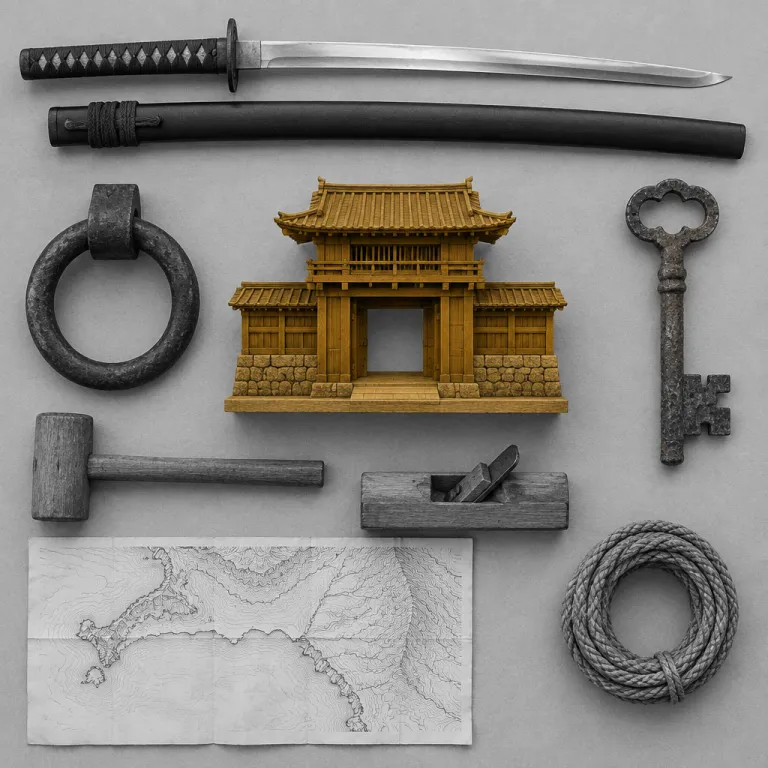
Why Matsumae matters for luxury travelers in southern Hokkaido
Matsumae is not just another quiet coastal town in Hokkaido ; it is the island’s only fully fledged castle town and the former seat of the Matsumae clan. For travelers who want to understand how Japan once viewed Hokkaido as a frontier, this compact city sized settlement offers a rare, layered narrative that most northern cities never inherited. A stay here turns a simple trip into a deeper travel Japan experience, where history, sea light and slow rhythms shape your time.
Historically, Matsumae was the southernmost feudal domain in Hokkaido and the official gateway between Honshu and the lands then called Ezo. The castle that anchors matsumae castle town hokkaido controlled trade and diplomacy across the Tsugaru Strait, making this district a strategic hinge between cultures rather than a remote outpost. When you walk from the harbour up toward matsumae castle, you are tracing the same route that merchants, samurai and local Ainu intermediaries once used to negotiate power, rice and rights.
For luxury and premium hotel guests, the appeal lies in this contrast between refined Japanese heritage and the raw coastal setting of southern Hokkaido. You can spend the day exploring castle matsumae, then return to a room with a sea facing onsen and a curated kaiseki dinner built around local cherry wood smoked seafood. Matsumae hokkaido is where a high end stay still feels grounded in a working town, not a resort bubble, and that balance is rare in any castle hokkaido destination.
The castle, the park and the layered streets of Matsumae town
The reconstructed keep of matsumae castle rises above matsumae town, modest in scale but rich in context for anyone curious about Japan’s northern frontier. Inside, the castle museum presents armour, maps and everyday objects that explain how the Matsumae clan managed trade, taxation and defense in this isolated district. Exhibits are compact yet focused, so you can absorb the story in under an hour and still have time to wander the grounds.
Outside, matsumae park wraps around the castle with slopes planted in thousands of cherry trees that frame the stone walls and the sea beyond. During the main cherry blossom season, the park becomes one of the most atmospheric places in southern Hokkaido, with late blooming varieties that extend the viewing time beyond what you find in larger cities. Even when the cherry blossoms have fallen, park matsumae remains a calm green belt where you can walk from gate to gate and sense how the original castle hokkaido defenses once enclosed the town.
Step beyond the park and you reach streets where wooden merchant houses, temples and a former high school building echo the town’s layered past. Some façades have been carefully restored, while others show the patina of salt air and time, giving matsumae hokkaido a lived in authenticity that contrasts with more polished heritage districts on Honshu. For a solo traveler, this scale is ideal ; you can cross the core of matsumae town on foot in minutes, yet each side street offers another small shrine, a local café or a view back toward the castle.
Cherry blossoms, coastal light and the best seasons to stay
Spring is when matsumae castle town hokkaido quietly rivals Japan’s famous sakura cities, without the crush of tour buses. Matsumae park is planted with over two hundred varieties of cherry trees, which means the cherry blossom season here can stretch for weeks as different blossoms matsumae varieties open in sequence. If you time your trip well, you can walk from early blooming trees near the lower gates to late flowering cherry groves higher up the hill in a single afternoon.
During peak cherry blossoms, food stalls line the paths and local families picnic under the branches, yet the atmosphere remains more village festival than major city event. Luxury travelers can enjoy the spectacle by day, then retreat to a quieter ryokan or premium hotel in the town, where staff will often share their own tips on the best cherry blossom viewpoints. Even outside sakura season, the combination of sea mist, castle silhouettes and the changing light over the Tsugaru Strait gives matsumae hokkaido a cinematic quality that rewards slow travel.
Summer brings clear views across the water toward Honshu and longer days for exploring the district on foot, while autumn wraps the castle and park matsumae slopes in warm colour. Winter is quieter still, with snow softening the lines of castle matsumae and turning the town into a monochrome study in stone and wood. If you enjoy shoulder season calm, pairing a stay here with a broader southern Hokkaido itinerary can be especially rewarding for a reflective solo trip.
Reaching Matsumae from Hakodate and the Seikan Tunnel coast
Most travelers reach matsumae castle town hokkaido via Hakodate, the main southern Hokkaido city and a natural base for premium hotels and refined dining. From Hakodate station, you can take a train along the coast toward Kikonai station, then continue by bus or private transfer through small towns that still feel far from mainstream travel Japan routes. The journey itself frames Matsumae as a true endpoint, with the road eventually narrowing as it follows the shoreline toward the tip of the peninsula.
Along the way, the landscape tells its own story of Japan’s modern ambitions, especially near the Seikan Tunnel zone that links Hokkaido to Honshu beneath the Tsugaru Strait. At the tunnel museum close to the southern portal, exhibits explain how the seikan tunnel was carved through rock and sea, turning what was once a risky crossing into a reliable link between islands and cities. Stopping here on your trip south adds a contemporary engineering layer to the older narrative of castle matsumae and the Matsumae clan’s maritime control.
From Kikonai station, buses trace a route through fishing villages and small city clusters, where local life unfolds at a slower time signature than in Hakodate or Sapporo. Solo travelers who prefer flexibility often arrange a private car from Hakodate, allowing them to pause at viewpoints or small coastal shrines en route to matsumae town. However you travel, the transition from busy port city to quiet castle hokkaido outpost is part of the experience, underscoring how remote this district once felt to people from mainland Japan.
Where to stay and how to frame Matsumae in a luxury itinerary
Accommodation in matsumae hokkaido leans toward intimate ryokan, small inns and a handful of premium level properties rather than large international chains. For travelers using a luxury and premium hotel booking website focused on Hokkaido, the smartest strategy is to anchor your trip in Hakodate or another southern Hokkaido city, then add one or two nights in matsumae town as a cultural highlight. This gives you access to high end suites, polished service and extensive amenities, while still carving out time for the slower rhythms of the castle district.
In Hakodate, you will find refined hotels near the bay area and Motomachi slopes, which pair well with day trips to the seikan tunnel region or overnight excursions to matsumae castle town hokkaido. Use these bases to enjoy sophisticated Japanese and local cuisine, then head south for a more contemplative stay where the main evening entertainment is a walk past the illuminated castle and cherry trees. If you travel in the quieter months, consider combining Matsumae with other coastal towns in southern Hokkaido to build a circuit that balances heritage, onsen and seafood.
For deeper planning, solo travelers should look at shoulder season guidance such as the detailed advice on why the Hokkaido shoulder season delivers the island at its most generous. This kind of resource helps you decide when to prioritise castle matsumae, when to focus on inland onsen resorts and how to structure your overall travel Japan route. With thoughtful timing, your trip can move from city lights in Hakodate to the quiet lantern glow of matsumae park in a way that feels both seamless and deeply rooted in place.
FAQ
Why is Matsumae considered unique within Hokkaido ?
Matsumae is the only true castle town in Hokkaido, built around matsumae castle and the former domain of the Matsumae clan. This gives it a samurai era street pattern and historical depth that most Hokkaido cities, developed later in Japan’s history, simply do not share. The combination of preserved townscape, coastal setting and feudal heritage makes matsumae castle town hokkaido distinct.
How long should I stay in Matsumae during my trip ?
Most travelers find that one or two nights in matsumae town is enough to explore matsumae castle, matsumae park and the surrounding district at a relaxed pace. If you are particularly interested in cherry blossoms or photography, extending to a third night allows more time to adjust to weather and light. Solo travelers often pair a short stay here with longer time in Hakodate or other southern Hokkaido bases.
When is the best time to see cherry blossoms in Matsumae ?
The cherry blossom season in matsumae hokkaido typically runs later than in many Honshu cities, thanks to the cooler coastal climate. Because matsumae park hosts many varieties of cherry trees, the overall period for cherry blossoms can stretch across several weeks. Planning your travel window rather than a single fixed date gives you the best chance of seeing blossoms matsumae views at their peak.
How do I reach Matsumae from Hakodate using public transport ?
From Hakodate station, you usually travel by train toward Kikonai station, then transfer to a bus that continues along the coast to matsumae town. The route follows the southern Hokkaido shoreline, passing near the seikan tunnel area and small fishing communities. Timetables can change, so it is wise to check current schedules before your trip and allow extra time for connections.
Is Matsumae suitable for solo luxury travelers ?
Matsumae is well suited to solo travelers who value quiet, history and a slower pace rather than nightlife. While the town itself offers smaller scale accommodation, you can combine it with luxury hotels in Hakodate or other southern Hokkaido cities to maintain a premium level of comfort. The walkable scale, clear signage and welcoming local atmosphere make it an easy and rewarding stop on a wider travel Japan itinerary.