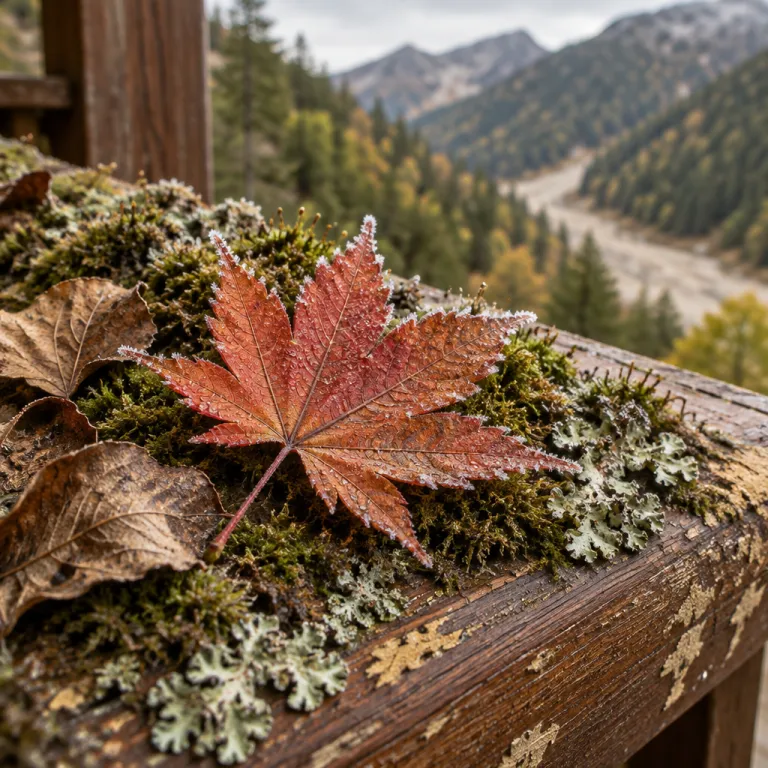
Hokkaido autumn foliage at Daisetsuzan: where the season begins
Hokkaido is where autumn arrives first in Japan, and it begins at altitude. On the highest ridgelines of Daisetsuzan, the hokkaido autumn foliage daisetsuzan spectacle usually starts in mid September, weeks before the mainland feels any chill. Families who time their visit to this national park window see autumn leaves blazing above while the valleys still feel like late summer.
Daisetsuzan National Park is Japan’s largest national park, and its volcanic plateau creates one of the earliest and most dramatic fall foliage stages. Around Asahidake and Kurodake, dwarf shrubs and alpine trees turn intense red leaves and gold, giving you some of the best viewing spots for a first fall tour of the island. For a premium stay, look at onsen resorts in Asahidake Onsen or Sounkyo, where hot springs steam beneath the first snow dusting the peaks.
Luxury minded travelers should think in terms of elevation, not just dates, when planning a hokkaido autumn or hokkaido fall escape. The best time to see peak autumn foliage around the upper ropeway stations is usually late September, while lower hiking trails hold their color into early October. Build in at least one day at a mountainside property with a strong hot spring program, so you can watch the foliage shift from your rotenburo rather than from a crowded car park.
From Daisetsuzan to Sounkyo: where to stay for peak fall colors
As the season deepens, the hokkaido autumn foliage daisetsuzan show slides down from the summits into Sounkyo Gorge. Here the cliffs frame the Ishikari River, and the fall colors wrap around waterfalls in a way that feels almost theatrical. This is one of the best spots in Hokkaido for families who want short, scenic walks rather than full day hikes.
In Sounkyo, choose a riverside onsen hotel with large windows facing the gorge, so the autumn leaves become part of your room’s design. Many properties pipe in natural hot springs, and a few suites offer private open air hot spring baths where you can watch the red leaves drift past. When you compare options, prioritize those that balance refined kaiseki dinners with child friendly facilities, because this national park base works well for multi generational tours.
If your trip also includes Niseko later in the season, consider pairing Sounkyo with a stay at a slope side luxury property such as the one featured in this detailed review of a Niseko onsen hotel at the foot of the slopes. That way you experience both the early hokkaido autumn intensity of Daisetsuzan National and the softer hokkaido fall palette around ski villages. For many families, the best time to link these regions is from late October into early November, when lower elevations still hold strong fall foliage but the mountain air already hints at winter.
Following the color south: Jozankei Onsen, Lake Toya and coastal routes
Once Daisetsuzan’s peaks and Sounkyo’s walls have peaked, the hokkaido autumn foliage daisetsuzan wave rolls toward Sapporo and the southwest. Around Jozankei Onsen, only about an hour from Sapporo Station by road, the valley becomes a corridor of orange and red leaves reflected in the Toyohira River. This is where many families first understand why locals say the best time to feel autumn Hokkaido is not in the city parks but in the hot spring valleys just beyond them.
Jozankei Onsen offers some of the best hot springs access near Sapporo, with luxury ryokan style properties and contemporary resorts lining the river. Choose a room with a private open air bath if possible, because the combination of fall colors, steaming springs, and cool air is hard to match anywhere else in Japan. For a deeper dive into how to select refined hot spring escapes across the island, use this curated guide to luxury onsen stays in Hokkaido as a planning reference.
Farther south, Lake Toya offers a different rhythm, with broad lake views and low hills that hold their autumn leaves into late October and sometimes early November. Lakeside resorts here are ideal for families who want space, indoor pools, and easy scenic drives rather than steep trails, and the lake itself softens the fall colors into gentler reflections. If you are considering a shoulder season itinerary, this overview of why September in Hokkaido delivers a generous shoulder season will help you understand how the early part of the season feels before the full autumn foliage arrives.
How to time your trip: practical guidance for luxury family stays
Planning around the hokkaido autumn foliage daisetsuzan calendar means thinking in three bands of time. Mid September to early October is usually the best time to visit the highlands of Daisetsuzan National, while early to late October suits Sounkyo, Jozankei Onsen, and many mid elevation viewing spots. By late October and into early November, coastal areas, Sapporo’s parks, and lakes such as Lake Toya often hold the last strong fall foliage of the season.
For families arriving via Sapporo Station, a smart route is to start inland at Daisetsuzan, then work back toward the city and finally the coast. That way you follow the autumn leaves as they descend, rather than chasing color that has already passed its peak, and you can end with relaxed hot springs nights instead of long transfers. Build your tour with two or three nights in each region, so you have at least one clear day in every stop to adjust for weather and enjoy the national park landscapes without rushing.
When you compare luxury properties, look for those that publish clear information about their onsen facilities, child policies, and access to nearby parks and lakes. In autumn Hokkaido, the best hotels understand that guests want both refined dining and easy access to trails, scenic drives, and hot spring baths framed by fall colors. If you align your time visit with the right elevation band, your family will experience hokkaido autumn, hokkaido fall, and the full arc of Japan’s earliest autumn foliage in comfort rather than in transit.
FAQ
When is the best time to see autumn foliage in Daisetsuzan?
For most travelers, the best time to see autumn foliage in Daisetsuzan is from mid September to early October, when the highest areas around Asahidake and Kurodake usually reach peak color. Lower trails and valleys inside Daisetsuzan National Park can hold strong fall foliage into the first half of October. Always check recent reports before your tour, because the exact timing shifts slightly with each season.
How many days should I spend in Daisetsuzan and Sounkyo?
A comfortable plan is to spend at least two nights in Daisetsuzan and two nights in Sounkyo, giving you three or four full days on the ground. That allows time for a ropeway ride, one or two easy hikes, and relaxed onsen sessions without rushing between spots. Families with younger children often appreciate an extra day to balance outdoor activity with hot springs downtime.
Is Jozankei Onsen worth visiting for autumn leaves near Sapporo?
Jozankei Onsen is one of the most rewarding autumn leaves destinations within easy reach of Sapporo Station. The valley concentrates fall colors along the river, and many hotels offer rooms and baths facing the slopes, so you can enjoy the foliage even if the weather turns. For travelers with limited time, a one or two night stay here delivers a strong sense of autumn Hokkaido without long transfers.
Can I combine Lake Toya and Daisetsuzan in one autumn trip?
Combining Lake Toya and Daisetsuzan works well if you allow at least five to seven nights in Hokkaido. Start in Daisetsuzan for early high elevation color, then move south toward Lake Toya as the season progresses and the leaves change at lower altitudes. This route lets you experience both rugged national park scenery and gentler lakeside landscapes framed by fall colors.
Are the hot springs in these areas suitable for children?
Most onsen hotels in Daisetsuzan, Sounkyo, Jozankei Onsen, and around Lake Toya welcome children in their public baths, although some have age or diaper related rules. When booking, confirm whether there are family friendly time slots or private hot spring baths that can be reserved for exclusive use. Luxury properties often provide the clearest guidance in English, which helps families plan stress free hot springs experiences during their autumn stay.