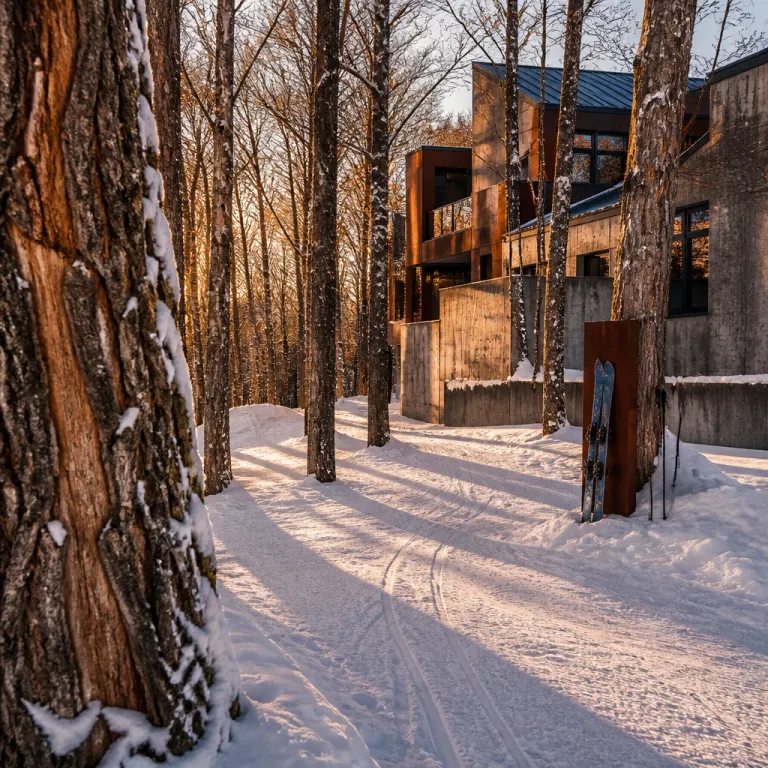
Does Grand Hirafu have tree skiing and what does it feel like ?
The question of whether Grand Hirafu offers true tree skiing comes up constantly among powder hunters. The answer is yes: Grand Hirafu, within the wider Niseko ski area, has extensive and clearly designated gladed zones for confident riders. These tree sections sit between groomed slopes and fully off piste terrain, giving you soft powder snow with a reassuring sense of structure and patrol oversight.
Grand Hirafu is the largest ski resort in the Niseko area of Hokkaido, and its tree runs are a major reason advanced skiers return year after year. The resort’s terrain stretches from gentle lower slopes near Hirafu village to steeper sections closer to the top of the mountain, where tree riding becomes more technical and rewarding. Because the mountain typically receives around 1,300–1,500 cm of snow each winter season, according to figures published by Niseko Tokyu Grand Hirafu and Niseko United, the tree course options stay refreshed for much of the day.
Resort management confirms that tree skiing is part of the official experience through clear guidance on the Niseko Tokyu Grand Hirafu website and on mountain signage. In their own words, “Is tree skiing allowed in Grand Hirafu? Yes, tree skiing is permitted in designated areas.” That single sentence shapes how luxury travellers plan their ski day, their lift ticket choice, and even which premium hotel they select at the base of the lifts. On a typical midwinter morning you might warm up on a groomed run, then drop into a marked tree zone such as the wooded lines between the Center and Family areas, where the snow feels weightless yet the resort boundary is never far away.
How Niseko’s terrain, snow and lifts shape your luxury stay
Understanding the terrain around Grand Hirafu helps you match a luxury hotel to your skiing style. The Niseko ski area is part of the larger Niseko United network, which links Grand Hirafu, Niseko Village, Niseko Annupuri and Hanazono into one of Asia’s most complete ski resorts. When you buy a Niseko United lift ticket, you gain access to a wide variety of slopes, tree runs and off piste terrain without changing accommodation.
Grand Hirafu itself offers around 22 marked runs and a vertical drop of about 940 meters from top elevation to base, based on statistics listed on the Niseko Tokyu Grand Hirafu trail map and resort information pages. This means you can ski from near the summit down to Hirafu village in long, satisfying descents. Multiple chairlifts and gondola lines, including the Hirafu Gondola and high speed quads such as the Ace Quad and King Quad, move skiers efficiently from the base area to the upper mountain, so you spend more of your day on snow and less in queues. For travellers booking premium rooms at properties such as Skye Niseko or other ski in ski out hotels, that lift access translates directly into more time exploring powder snow and tree riding zones.
Snow quality is the other decisive factor for guests comparing different ski resorts in Hokkaido. Niseko’s location on the Sea of Japan side of the island funnels cold Siberian air across relatively warm water, generating the famously light powder that makes the Niseko Grand Hirafu ski resort so sought after. If you are researching refined stays and powder snow in Hokkaido, resources such as this guide to Sapporo skiing and powder snow in Hokkaido can help you understand how Grand Hirafu compares to city based ski areas.
Tree runs, Niseko Rules and what advanced skiers need to know
For confident riders seeking tree skiing in Grand Hirafu that truly challenges them, the answer lies in the resort’s mix of controlled tree runs and backcountry style terrain. Designated tree areas inside the ski resort boundary allow you to weave between trunks while still remaining under patrol oversight, which is ideal for advanced skiers who want excitement without committing to full backcountry exposure. Off piste zones accessed through official gates follow the Niseko Rules, a safety framework that balances freedom with avalanche awareness.
These Niseko Rules are prominently displayed around the ski area and on the official website of Niseko Tokyu Grand Hirafu, and they apply equally whether you are staying in Hirafu, Niseko Village or Niseko Annupuri. Before heading into any tree course beyond the groomed slopes, you should check the avalanche bulletin and gate status published by Niseko United, carry appropriate equipment and respect any closed gates, because enforcement is strict for your own safety. Luxury hotels in the Grand Hirafu area often work closely with ski schools and guiding companies, so concierge teams can arrange qualified instructors or guides who understand both the terrain and the rules in detail; popular options include local outfits that specialise in small group powder and tree skiing clinics.
Night skiing adds another dimension to Grand Hirafu’s tree skiing experience after dark. While the most technical tree riding is usually reserved for daylight hours, the resort’s extensive night skiing lights illuminate many lower slopes, allowing you to extend your ski day well into the evening. A practical local tip is to enjoy upper mountain tree runs such as those off the higher chairs in the morning, when visibility is best, then move to the illuminated lower slopes for night skiing. If you plan to enjoy festivals or cultural events elsewhere in Hokkaido, such as those listed in this overview of Hokkaido’s festival calendar from Hakodate to Sapporo, that flexibility helps you balance skiing with broader travel experiences.
Choosing a luxury or premium hotel around Grand Hirafu
Once you know that Grand Hirafu does have tree skiing, the next decision is where to stay in the Niseko area for maximum comfort and convenience. Properties such as Skye Niseko, The Vale Niseko and several high end condominiums sit either directly on the slopes or within a short walk of a lift, which means you can step out of your room and be on snow within minutes. For travellers who prioritise quick access to tree runs and upper mountain terrain, these ski in ski out or ski in walk out options are worth the premium.
Further down in Hirafu village, luxury chalets and serviced apartments offer more privacy and space, often with private onsen baths that overlook the mountain. Staying slightly away from the immediate base area can mean a quieter atmosphere, while shuttle services and nearby gondola stations still keep the ski resort within easy reach. When you compare these properties on a dedicated luxury and premium hotel booking website in Hokkaido, pay attention to how close each address is to the main Grand Hirafu lift hubs and to the Niseko Tokyu Grand Hirafu base facilities.
Some guests prefer to base themselves in Niseko Village or Niseko Annupuri and use the Niseko United lift ticket to reach Grand Hirafu’s tree skiing zones during the day. This strategy can work well if you like quieter slopes in the morning and then move towards the busier Hirafu area for afternoon runs and après ski. Whatever your choice, confirm that your hotel concierge can assist with lift ticket purchases, ski school reservations and transport to other ski resorts in Hokkaido if you plan a multi mountain itinerary.
Planning your ski days, lift tickets and off slope experiences
To make the most of Grand Hirafu’s tree skiing, plan each ski day around weather, snow conditions and lift operations. January usually brings the deepest powder snow, which means tree runs fill in beautifully but visibility can change quickly during storms. On such days, staying close to the main lifts and mid mountain terrain can be wiser than pushing for the very top of the mountain.
When you purchase a lift ticket, decide whether you want access only to the Grand Hirafu ski resort or to the full Niseko United network that includes Niseko Village and Niseko Annupuri. The broader pass costs more but unlocks a huge variety of slopes, from mellow groomers to steeper tree riding lines, which is especially valuable for longer stays. Families or mixed ability groups often appreciate this flexibility, because beginners can remain on gentle courses while advanced skiers explore more challenging terrain without feeling constrained.
Off the snow, the Niseko area offers refined dining, onsen culture and day trips that complement a luxury ski holiday. You might spend one non skiing day exploring Otaru’s historic streets and sushi bars, using guides such as this article on Otaru beyond the canal and its backstreets to shape your itinerary. Returning to your Grand Hirafu hotel in the evening, you can relax in a hot spring bath while watching snow fall softly over the ski area.
How to use official information and local expertise when booking
Reliable information is essential when you are evaluating Grand Hirafu’s tree skiing options to match your skills and risk tolerance. Before finalising any hotel booking, consult the official website of Niseko Tokyu Grand Hirafu for current trail maps, lift status and safety notices, because these details influence which part of Hirafu or Niseko Village will suit you best. Luxury travellers should also look for properties that maintain close relationships with local ski schools, equipment rental shops and guiding companies.
Many premium hotels in the Grand Hirafu area employ multilingual concierge teams who understand both the nuances of the ski resort and the expectations of international guests. They can advise whether conditions favour tree runs near the top elevation, groomed slopes lower on the mountain or even a rest day enjoying onsen and dining in Kutchan town. When you combine that local expertise with your own research into terrain, lift and gondola access and snow patterns, you gain the confidence to tailor each ski day precisely.
Finally, remember that Niseko’s reputation as a leading Hokkaido ski destination rests on both its powder snow and its safety culture. Respecting the Niseko Rules, choosing appropriate terrain for your level and booking accommodation that supports your skiing goals will make the answer to whether Grand Hirafu has tree skiing not just a yes, but a highlight of your trip. For discerning travellers, that alignment between mountain experience and hotel quality is what transforms a simple ski holiday into a genuinely memorable stay.
Key figures for Grand Hirafu and Niseko’s ski area
- Grand Hirafu records roughly 1,300–1,500 cm of annual snowfall, according to Niseko Tokyu Grand Hirafu and wider Niseko United statistics, which underpins the consistently deep powder snow that makes its tree runs so attractive.
- The ski resort offers about 22 marked runs, based on figures from the official Niseko Tokyu Grand Hirafu course guide, giving skiers a balanced mix of groomed slopes, terrain parks and access points to tree skiing zones.
- The vertical drop of approximately 940 meters from top elevation to base, as reported by Niseko Tokyu Grand Hirafu, allows for long continuous descents that link open slopes with forested sections.
- The winter season typically runs from late November to early May in the Niseko area, providing a long window for guests to plan luxury stays that combine early season quiet with peak powder months.
- Night skiing operations have expanded in recent years at Grand Hirafu, increasing the number of illuminated runs and extending daily lift hours for travellers who want to maximise time on snow.
FAQ about Grand Hirafu, tree skiing and luxury stays
Does Grand Hirafu offer official tree skiing areas ?
Yes, Grand Hirafu offers designated tree skiing zones within the ski resort boundary, where tree runs are clearly marked and patrolled. These areas allow confident skiers to enjoy powder snow among the trees while still benefiting from resort safety management. Off piste terrain beyond these zones is accessed through controlled gates that follow the Niseko Rules and the daily avalanche information published by Niseko United.
When is the best time for powder snow in Grand Hirafu ?
January usually delivers the most reliable powder snow in the Niseko area, including Grand Hirafu. Storm cycles tend to be frequent and intense, which means tree runs fill in quickly and stay soft throughout much of the day. Travellers seeking the deepest snow should aim their luxury hotel bookings around this mid winter period, while those preferring calmer weather might choose slightly earlier or later dates.
Are there safety guidelines for off piste and tree skiing ?
Yes, the Niseko Rules set out clear safety guidelines for off piste skiing and riding in the wider Niseko United ski area. These rules cover gate usage, avalanche awareness and prohibited zones, and they are enforced by patrol teams across Grand Hirafu, Niseko Village and Niseko Annupuri. Guests should read the rules carefully on the official Niseko Tokyu Grand Hirafu website and follow any instructions from local guides or ski schools.
Which lift ticket should I choose for a luxury stay in Niseko ?
If your main focus is tree skiing and slopes around Hirafu, a Grand Hirafu only lift ticket may be sufficient, especially for shorter trips. For longer stays or for guests who want to explore Niseko Village and Niseko Annupuri as well, the full Niseko United pass offers more variety and flexibility. Many premium hotels can arrange these tickets in advance, so you can head straight to the lifts on your first day.
How early should I book a premium hotel near Grand Hirafu ?
For peak powder periods, it is wise to book luxury or premium accommodation several months in advance, particularly if you want ski in ski out access or specific room types. The popularity of Niseko Grand Hirafu among international travellers means top properties such as Skye Niseko and other high end resorts often reach full occupancy quickly. Early booking also gives you better chances of securing ski school places, equipment rentals and restaurant reservations that align with your planned ski days.
