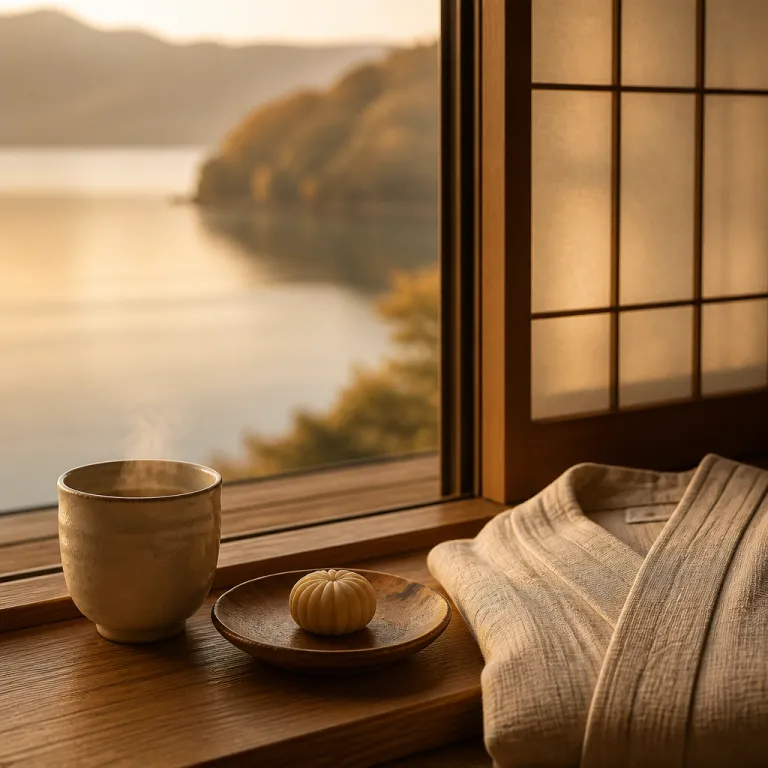
Why Lake Toya Tsuruga Ko No Tsu is a top choice in Hokkaido
Lake Toya Tsuruga Resort Hikari no Uta, often referred to in English as Lake Toya Tsuruga Ko No Tsu, sits on the serene shore of Lake Toya in southern Hokkaido, offering refined comfort with a strong sense of place. This lakeside resort gives guests an immediate connection to the volcanic land, with sweeping views towards Mount Usu and the caldera that defines this dramatic landscape. For travellers planning a premium trip in Japan, it balances polished service, contemporary design, and easy access to nature in a way few resorts manage.
This property is part of the wider Tsuruga resort family, known across Hokkaido for onsen focused accommodation and thoughtful hospitality. According to the official hotel website and Japan Traveler Online, Lake Toya Tsuruga Resort Hikari no Uta is designed to meet the ZEB Ready environmental standard, meaning the facilities are engineered to reduce energy use while maintaining comfort for every guest. That commitment to sustainability matters when you compare accommodation plans across Japan, especially if you want your stay to support the region’s long term tourism strategy.
The hotel offers 48 rooms with a capacity of 166 occupants, so it feels intimate yet fully serviced (figures listed on Japan Traveler Online and confirmed by the hotel’s outline page). Many rooms frame the lake view directly, while others angle towards Mount Usu or the surrounding forested land, giving you a different mood at each time of day. When you book official through the property’s website or by phone reservation, you can usually choose between several room types that pair private onsen style baths with tatami seating areas or Western beds.
Guests often combine a stay here with a day trip to nearby hot spring towns or to the shores of Lake Shikotsu, another caldera lake south of Sapporo. The Tsuruga brand also operates Shikotsu Tsuruga Resort Spa Mizu no Uta at Lake Shikotsu, so loyal guests sometimes compare the two resorts when planning a longer trip across Hokkaido. If you are deciding between Lake Toya and Lake Shikotsu, think about whether you prefer open land vistas and fireworks over the lake, or a more enclosed forest and water setting.
From a booking perspective, Lake Toya Tsuruga Resort Hikari no Uta works well as either a two night stop on a wider Hokkaido itinerary or as a three night base for slow travel. The year round operation means you can plan a winter stay focused on snow and onsen, or a summer stay centred on hiking, lake cruises, and long daylight hours. In both cases, the resort spa facilities and the onsen become the anchor of your daily rhythm, especially if you enjoy returning to the same open air bath after each excursion.
Rooms, onsen, and spa rituals at Lake Toya Tsuruga Ko No Tsu
The rooms at Lake Toya Tsuruga Resort Hikari no Uta are designed to frame the lake, not distract from it. Large windows pull the lake view into the living space, while natural materials echo the surrounding land and forest. You will find both Japanese style and Western style rooms, and many travellers choose mixed layouts that combine low seating with standard beds for a comfortable multi day stay.
On the onsen side, the resort spa area is the heart of the property, with indoor pools, open air baths, and relaxation lounges. The open air baths face Lake Toya, so steam rises against the water and the outline of Mount Usu, creating a powerful sense of immersion in Hokkaido’s volcanic landscape. Because the facilities are reserved for in house guests, the atmosphere stays calm even at peak times of day, which is ideal if you value privacy during your spa rituals.
Several Tsuruga resort properties across Hokkaido are known for their spa concepts, including Shikotsu Tsuruga Resort Spa Mizu no Uta at Lake Shikotsu and Akan Tsuruga resorts at Lake Akan. If you have stayed at Mizu no Uta or experienced spa Mizu treatments there, you will recognise the same focus on water quality and relaxation here at Lake Toya. The difference lies in the scenery, as Lake Akan and Lake Shikotsu each offer distinct moods compared with the wide open basin of Lake Toya.
For guests planning a special trip, it is worth checking whether any special offer packages include extended spa access or private open air bath time. These official special plans sometimes bundle dinner, late checkout, and spa privileges, which can improve value without compromising on luxury. When you book official through the hotel’s website, you can usually see which accommodation plans include these extras before you confirm reservation details.
Pairing the onsen experience with Hokkaido’s food and drink scene elevates the stay further. One guest described soaking in the open air bath after dinner as “watching the lake turn from silver to ink,” a small detail that captures the quiet drama of the setting. Returning to your room after such an excursion, with the lake view glowing at dusk, reinforces why this resort ranks among the top lakeside accommodations in Japan.
Dining, local ingredients, and cultural context around Lake Toya
Dining at Lake Toya Tsuruga Resort Hikari no Uta reflects the agricultural richness of Hokkaido and the volcanic land around Lake Toya. Menus often highlight local vegetables, lake and sea fish, and dairy products, presented in a modern kaiseki style that respects seasonality. Because the resort works with nearby producers, your meal becomes a quiet guide to the region’s flavours and culinary traditions.
Breakfast and dinner are usually included in many accommodation plans, which simplifies planning for multi day stays. If you prefer more flexibility, check whether the hotel offers room only or breakfast only options when you make your reservation, especially if you plan to explore restaurants around Toyako Onsen town. Either way, the dining rooms are oriented towards the lake view, so you remain visually connected to Lake Toya throughout the meal.
Hokkaido’s national parks and upgraded wilderness strategy have made the region a reference point for nature based luxury travel in Japan. Lake Toya sits within Shikotsu Toya National Park, which also includes Lake Shikotsu and several volcanic peaks, and this protected status shapes how resorts operate and how land is managed. For a deeper understanding of how these policies influence high end accommodation, the analysis of Japan’s national park upgrade and its impact on luxury travellers on Stay in Hokkaido offers valuable context, complementing the overview provided by the Japan National Tourism Organization (JNTO).
Within the broader Tsuruga portfolio, properties at Lake Akan and Lake Shikotsu also interpret local culture through food and design. At Lake Akan, Akan Tsuruga resorts often incorporate Ainu cultural elements, while Shikotsu Tsuruga Resort Spa Mizu no Uta focuses on water and forest themes. Comparing these resorts helps you decide whether your next trip should focus on Lake Akan’s cultural depth, Lake Shikotsu’s forested calm, or Lake Toya’s expansive water and sky.
Guests who appreciate sake, wine, and craft beer will find that Hokkaido’s beverage scene pairs naturally with the resort’s cuisine. Before or after your stay, you might follow a regional craft whisky, wine, and beer trail, as outlined in Stay in Hokkaido’s guide to Hokkaido’s craft drinks beyond the Sapporo brewery, then return to Lake Toya for slow evenings in the onsen. This combination of refined dining, thoughtful drinks, and restorative spa time is what makes Lake Toya Tsuruga Resort Hikari no Uta such a compelling base for a longer journey.
Comparing Lake Toya with Lake Akan and Lake Shikotsu for luxury stays
Choosing between Lake Toya, Lake Akan, and Lake Shikotsu is one of the key decisions for a premium Hokkaido itinerary. Lake Toya Tsuruga Resort Hikari no Uta offers wide horizons and easy access from Sapporo, while Lake Akan and Lake Shikotsu feel more enclosed and introspective. Your ideal resort will depend on whether you value open water views, cultural immersion, or deep forest surroundings.
Lake Toya is a caldera lake framed by Mount Usu and other volcanic peaks, and the land around it supports farms, hot spring towns, and walking trails. Lake Akan, by contrast, is famous for marimo algae and Ainu culture, and Akan Tsuruga properties there often weave local stories into their design and programming. Lake Shikotsu, home to Shikotsu Tsuruga Resort Spa Mizu no Uta, is one of Japan’s deepest lakes, with exceptionally clear water and dense forest on its shores.
From a resort spa perspective, all three areas offer high quality onsen experiences, but the mood differs. At Lake Toya, the open air baths at Lake Toya Tsuruga Resort Hikari no Uta face the broad water surface, so you feel the scale of the caldera every time you bathe. At Lake Akan, some Akan Tsuruga properties frame the lake and surrounding hills more closely, while at Lake Shikotsu, Mizu no Uta and its spa Mizu concept emphasise the purity of the water and the quiet of the forest.
Travel logistics also play a role in your decision, especially if you are planning a multi day trip across Hokkaido. Lake Toya is roughly two hours by car from Sapporo, which makes it ideal for a first or last stop on a circular route that might also include Lake Shikotsu and Lake Akan. Because Tsuruga resort properties share a similar service philosophy, staying at more than one location can create a coherent yet varied journey.
When comparing accommodation plans, pay attention to whether each resort includes meals, what type of rooms are available, and how the facilities align with your priorities. Some travellers prefer larger rooms with private open air baths at Lake Toya, while others value cultural programming at Lake Akan or the wellness focus at Mizu no Uta. In every case, booking through official channels and checking for any special offer or official special package will help you secure the best combination of value and flexibility.
How to book, manage reservations, and plan your Lake Toya stay
Booking Lake Toya Tsuruga Resort Hikari no Uta is straightforward, but a few steps will help you secure the right room and rate. The hotel accepts online booking and phone reservations, and both methods allow you to specify room type, view preference, and the number of guests. Because the property has only 48 rooms, it is wise to make your reservation well in advance, especially for weekends and holiday periods.
When you book official through the hotel’s website, you can usually see all current accommodation plans, including any special offer or official special packages. These might include perks such as late checkout, spa credits, or seasonal menus, which can enhance a multi day trip without significantly increasing the total cost. As a rough guide, standard half board plans at similar lakeside onsen resorts in Hokkaido often start from the mid ¥30,000s per room per night for two guests, with lake view and private bath categories priced higher depending on season.
If your schedule changes, you may need to cancel reservation arrangements or request a modification. Many guests appreciate having a clear reservation cancel process, whether through an online form or by phone, so they can adjust dates without confusion. Keep a copy of your confirmation email, as it will contain the reservation number, the terms for any reservation cancel request, and contact details for follow up.
Before arrival, consult the hotel’s access FAQ section on its website to understand transport options from Sapporo, New Chitose Airport, or other parts of Hokkaido. The property is about two hours by car from Sapporo, and some guests choose to combine self drive with public transport to structure a flexible trip. For example, you might take the JR Limited Express from Sapporo to Toya Station in around 1 hour 45 minutes, then transfer to a local bus or taxi for the final 20–30 minutes to the lakeshore.
Once your booking is secure, think about how you want to structure each day around the onsen and the lake view. Many travellers plan a gentle first day focused on arrival, spa time, and dinner, followed by a more active second day with hiking, lake cruises, or a short excursion to nearby attractions. This rhythm allows you to enjoy both the resort’s facilities and the wider landscape without feeling rushed, which is one of the main advantages of choosing a lakeside Tsuruga resort in Japan.
Day trips, seasonal highlights, and practical tips around Lake Toya
Staying at Lake Toya Tsuruga Resort Hikari no Uta places you within easy reach of several memorable day trips. The most obvious is a cruise on Lake Toya itself, which gives you a different perspective on the caldera and the surrounding peaks. On clear days, the view towards Mount Yotei, sometimes called Ezo Fuji, adds another layer of drama to the landscape.
Another rewarding day trip is a visit to the summit area of Mount Usu, accessible by ropeway from the lakeshore. From the upper station, short walks lead to viewpoints over Lake Toya, the Pacific coast, and the land shaped by past eruptions, offering a vivid lesson in Hokkaido’s volcanic history. Returning to the resort spa and its open air baths after such an excursion creates a powerful contrast between raw geology and curated comfort.
Guests with more time often combine Lake Toya with Lake Shikotsu or Lake Akan in a single itinerary. You might spend two nights at Lake Toya Tsuruga Resort Hikari no Uta, then drive to Shikotsu Tsuruga Resort Spa Mizu no Uta for a forest and water focused stay, before continuing to Akan Tsuruga properties at Lake Akan for cultural immersion. This sequence allows you to experience three distinct lakes, three different resort spa environments, and a range of rooms and facilities under the same Tsuruga brand umbrella.
Seasonality shapes the experience strongly, so align your accommodation plans with your interests. In warmer months, hiking, cycling, and lake cruises dominate the day, while in colder months, snow covered scenery and long onsen sessions become the main draw. Because the resort operates year round, you can choose the season that best matches your ideal balance of outdoor activity and indoor relaxation.
Finally, remember that the hotel’s team and local partners act as an informal guide to the region. They can suggest routes for a half day trip, advise on weather conditions around Mount Usu, or help you arrange transport if you prefer not to drive. Using this local knowledge, combined with clear information from the access FAQ and your own research, will ensure that your stay at Lake Toya feels both effortless and deeply connected to Hokkaido’s landscape.
Key figures and practical data for Lake Toya Tsuruga Ko No Tsu
- The resort has 48 rooms with a total capacity of 166 occupants, which keeps the scale intimate compared with large lake resorts in other parts of Japan (data from Japan Traveler Online and the hotel’s official facility overview).
- Lake Toya is approximately 42.5 kilometres in circumference, a figure cited by JNTO and regional tourism materials, making it large enough for scenic cruises yet compact enough to frame from many lakeside viewpoints in a single gaze.
- The property is located about two hours by car from Sapporo, which positions it conveniently for three or four day itineraries that also include Lake Shikotsu or central Hokkaido.
- Check in typically starts at 15:00 and check out is at 11:00, giving guests a generous window to enjoy the spa and open air baths on both arrival and departure days.
- The resort operates year round, so you can plan a winter, spring, summer, or autumn trip without worrying about seasonal closures that affect some smaller accommodations in Hokkaido.
FAQ about Lake Toya Tsuruga Ko No Tsu and Hokkaido stays
What amenities does Lake Toya Tsuruga Ko No Tsu offer ?
The resort provides large communal onsen baths, a resort spa area with indoor and open air pools, dining rooms focused on local cuisine, and landscaped gardens. Guests also have access to comfortable lounges, lake view relaxation spaces, and a range of room types that include both Japanese and Western style layouts. These facilities are designed to support both short stays and longer multi day trips.
How do I get to the resort from Sapporo ?
The property is located in Sobetsu Onsen on the shore of Lake Toya, roughly two hours by car from central Sapporo under normal road conditions. Many guests either rent a car at New Chitose Airport or Sapporo Station, or combine train and bus services to reach the lake area. The hotel’s access FAQ provides up to date details on routes, transfers, and seasonal considerations.
Is Lake Toya suitable for a short day trip from Sapporo ?
A same day trip from Sapporo to Lake Toya is technically possible by car or bus, but most travellers find an overnight stay more relaxing. Spending at least one night at Lake Toya Tsuruga Resort Hikari no Uta allows time for the onsen, a lake cruise, and perhaps a visit to Mount Usu without rushing. If your schedule is tight, consider a one night stay rather than a pure day trip.
How far in advance should I make a reservation ?
Because the resort has only 48 rooms and attracts both domestic and international guests, it is wise to secure your reservation several weeks or even months ahead for peak periods. Booking early increases your chances of getting a preferred room type and view, and it also gives you more flexibility if you later need to cancel reservation arrangements or adjust dates. Always review the reservation cancel policy before you confirm reservation details.
What makes this resort different from other Tsuruga properties in Hokkaido ?
Lake Toya Tsuruga Resort Hikari no Uta stands out for its expansive lake view, proximity to Mount Usu, and relatively easy access from Sapporo, all within Shikotsu Toya National Park. While Akan Tsuruga and Shikotsu Tsuruga Resort Spa Mizu no Uta emphasise cultural and forest themes respectively, this property focuses on the interplay between water, sky, and volcanic land. Guests who value wide horizons and a strong sense of the caldera landscape often find this resort particularly compelling.
Sources and further reading
- Japan National Tourism Organization (JNTO) – official information on Hokkaido, Shikotsu Toya National Park, and Lake Toya’s basic data.
- Hokkaido District Transport Bureau – data on regional access routes, typical travel times, and seasonal road conditions.
- Japan Traveler Online – property details, capacity figures, and environmental information for Lake Toya Tsuruga Resort Hikari no Uta, including ZEB Ready status and room inventory.