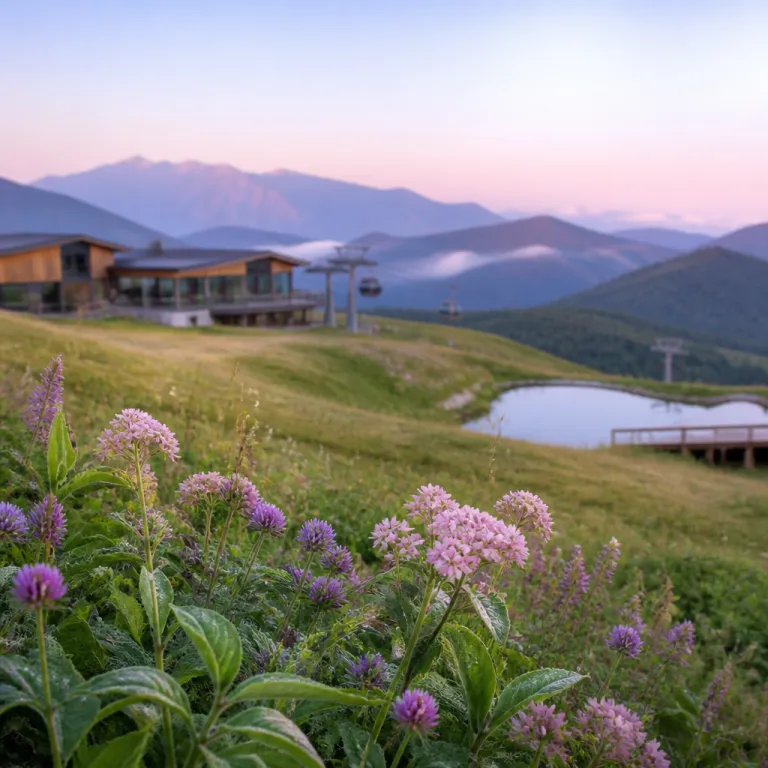
Tomamu resort Hokkaido summer: why this mountain hub matters
Tomamu in Hokkaido Japan has quietly become a serious summer resort for premium families who once came only for snow. The high plateau setting, managed with precision by Hoshino Resorts TOMAMU, now offers a layered experience that feels purpose built for warm weather rather than a winter afterthought. When you plan a tomamu resort hokkaido summer stay, you are choosing a mountain base that works as hard in August as it does in January.
The village style layout of the resorts in Tomamu Hokkaido keeps everything walkable, yet the surrounding area still feels wild and green. Families can enjoy a day that starts with a gondola ride above sea clouds, moves through the farm area for hands on activities, and ends with Hotalu Street’s lantern lit restaurants. Compared with other Hokkaido Japan mountain resorts, Tomamu leans into curated programming and controlled adventure, which suits parents travelling with younger children.
Hoshino Resorts operates both Tomamu Tower and Risonare Tomamu, giving guests a choice between efficient hotel style rooms and larger suites that work better for a family. The scale of these resorts Tomamu properties means you have multiple dining rooms, a large wave pool, and Mina Beach under one roof, yet service still feels attentive rather than anonymous. For travellers comparing a tomamu resort hokkaido summer holiday with Niseko or Furano, the argument is simple ; this is the resort that has invested most heavily in structured summer activities.
Above the clouds: unkai terrace and the case for early mornings
The signature tomamu resort hokkaido summer moment happens long before breakfast, when the first Unkai Gondola leaves the base station in the blue half light. As you rise above the forest, the valley slowly fills with shifting sea clouds that wrap the peaks in soft white. At the top, the Unkai Terrace viewing decks turn this natural spectacle into a comfortable experience, with railings, seating, and quiet corners for families.
Official data from Hoshino Resorts indicates that average summer temperatures sit around 22 °C, which makes those early starts feel crisp rather than harsh. Cloud formation is never guaranteed, and the published Unkai Terrace Cloud Occurrence rate of 40 % is a reminder that this is still nature, not a theme park. When the sea clouds do appear, though, the combination of cool air, soft light, and the silence of the mountains explains why this has become one of Hokkaido’s most photographed summer activities.
Because the Unkai Gondola operates only in the early morning, some time slots may have reservation required notes during peak periods, especially for guests staying at Hoshino Resorts properties. Families should plan at least one back up day in their itinerary, as weather can shift quickly in Hokkaido Japan. If you are overnighting at Tomamu Tower, Risonare Tomamu, or Club Med Tomamu, ask the front desk to advise on the best day based on recent patterns and to confirm whether a specific reservation is required for your preferred departure.
For travellers routing through Sapporo, pairing a tomamu resort hokkaido summer stay with a night in the city is straightforward from New Chitose Airport. Our detailed guide to where to stay in Sapporo by neighborhood helps you choose a district that matches your family’s pace before you board the train to Tomamu Station. Once you arrive in Tomamu Hokkaido, the short transfer to the resort keeps the focus on the mountains rather than logistics.
Summer activities: from tree tops to indoor waves
Tomamu’s summer activities are designed to let families enjoy the outdoors without the intensity of backcountry expeditions. Hiking trails radiate from the resort area, offering short loops suitable for children and longer walks for parents who want a more demanding day. Guided programs run by Hoshino Resorts staff add structure, from gentle forest walks to more adventurous tree top courses.
Water is a major part of the tomamu resort hokkaido summer appeal, thanks to the Mina Mina Beach complex and its vast indoor wave pool. Here, Mina Beach recreates a tropical shoreline under a soaring glass roof, which means children can swim even when Hokkaido’s mountain weather turns cool or rainy. The wave pool sessions are timed, so guests should check schedules on arrival and consider whether a reservation is required during national holidays or busy weekends.
Beyond the water, families can book rafting on nearby rivers, cycling around the farm area, and gentle horse riding sessions that introduce children to Hokkaido’s rural landscape. Club Med Tomamu and Med Tomamu programs often include these activities in all inclusive packages, while Hoshino Resorts properties tend to offer them à la carte for more flexibility. Either way, the emphasis is on safe, guided experiences that keep the thrill level high enough for teenagers but manageable for younger siblings.
Winter icons such as the Ice Village and deep snow parks are largely dormant between April and November, yet their infrastructure shapes how the resort functions in summer. Open plazas that host the Ice Village in colder months become event spaces for food festivals and outdoor performances once the temperatures rise. If your family enjoys cultural programming, consider aligning your visit with regional events ; our overview of Hokkaido’s August festival calendar can help you build a wider itinerary around your Tomamu Hokkaido stay.
Farm area, food, and the taste of Tokachi
One of the most distinctive aspects of a tomamu resort hokkaido summer holiday is how closely the resort connects guests to the surrounding Tokachi farm area. Rolling fields and working farms lie just beyond the forested slopes, and Tomamu’s programming brings that agricultural story onto the property. Families can visit the dedicated farm area for hands on activities that range from vegetable harvesting to simple dairy workshops.
Seasonal events highlight specific crops, with sweet corn and potatoes taking centre stage as the summer progresses. The Farm de Sweet Corn Festival and the Potato Salad Gelato concept are not gimmicks ; they are ways of translating Hokkaido’s agricultural abundance into playful, family friendly experiences. Parents who care about food provenance will appreciate how clearly staff explain where ingredients come from and how they move from field to plate.
Dining across Tomamu Tower, Risonare Tomamu, and the restaurants lining Hotalu Street reflects this same commitment to local sourcing. Buffet restaurants lean heavily on Hokkaido dairy, seafood, and vegetables, while à la carte venues might serve refined soup curry, grilled Tokachi beef, or seasonal fish from around Hokkaido Japan. When you step outside the resort bubble, pairing Tomamu with a side trip to Otaru’s historic streets and sushi counters can deepen the culinary narrative ; our feature on Otaru beyond the canal outlines where to go once you leave the mountains.
Indoor venues such as Mina Mina Beach also contribute to the food story, with casual cafés serving dairy rich desserts and light meals that work for a pool day. While the Ice Village is primarily a winter attraction, its presence reinforces Tomamu’s reputation for seasonal creativity, which in turn supports year round relationships with local producers. For families comparing resorts Tomamu with other Hokkaido destinations, this depth of farm to table integration is a strong argument in favour of staying here at least a few nights.
Rooms, logistics, and how Tomamu compares for families
Accommodation at Tomamu is dominated by two Hoshino Resorts properties, Tomamu Tower and Risonare Tomamu, plus the separate Club Med Tomamu complex. Tomamu Tower offers compact, efficient rooms that suit shorter stays or families who plan to spend most of the day in activities. Risonare Tomamu, by contrast, focuses on larger suites with separate living areas and generous bathrooms, which work well for longer tomamu resort hokkaido summer holidays.
Room categories across these resorts Tomamu options range from standard twins to high floor suites with expansive mountain views. Families should pay attention to bedding configurations, as Japanese style tatami spaces can be more comfortable for children than extra rollaway beds. When making a reservation, ask specifically about the view direction ; some rooms face the Unkai Terrace side of the valley, while others look toward the farm area and distant peaks.
Access is straightforward from New Chitose Airport, the main international gateway for Hokkaido Japan, with direct trains to Tomamu Station and dedicated resort shuttles. Travellers arriving from other parts of Japan can also route via Asahikawa or Obihiro, but the Chitose Airport to Tomamu Hokkaido corridor remains the most convenient for first time visitors. Once on site, internal shuttle buses link Tomamu Tower, Risonare Tomamu, Club Med Tomamu, Mina Mina Beach, and Hotalu Street, which reduces walking distances for families with younger children.
Compared with Niseko, which excels at independent chalets and village restaurants, Tomamu feels more like a self contained mountain resort with everything under one management. Furano offers a quieter, more dispersed experience with strong access to flower fields but fewer on site activities for children. For many premium families, the balance of structured programming, easy logistics, and varied room types makes Tomamu the most convincing choice for a first or second summer stay in Hokkaido Japan.
Planning tips, seasonality, and setting expectations
Tomamu positions itself as a year round destination, yet the heart of the tomamu resort hokkaido summer season runs from late spring through early autumn. Average daytime temperatures around 22 °C mean you can enjoy outdoor activities comfortably, but evenings can still feel cool at altitude. Packing light layers, including a windproof jacket for Unkai Terrace mornings, will make early starts and late returns more pleasant.
Many headline experiences operate on specific calendars, so it is worth checking dates before you make a non refundable reservation. The Unkai Terrace typically runs from late spring through autumn, while farm area events such as corn or potato themed festivals cluster in mid and late summer. Winter only attractions like the Ice Village and deep snow activities usually fall outside the April to November window, which is why Tomamu’s summer identity leans more on clouds, farms, and water than on snow.
When planning your stay, consider how many days you want to spend inside the resort versus exploring the wider Hokkaido Japan landscape. A three night stay allows time for Unkai Terrace, Mina Mina Beach, farm experiences, and at least one half day hike, while five nights give space for side trips to nearby towns. Whatever length you choose, book key elements such as airport transfers, Unkai Gondola slots during peak periods, and popular restaurants on Hotalu Street at the same time as your room reservation.
For families who value predictability, Tomamu’s integrated structure and Hoshino Resorts management provide a reassuring framework without stripping away the sense of being in the mountains. Those who prefer more independent exploration may want to pair Tomamu with a few nights in Sapporo, Otaru, or Furano to balance resort life with urban or rural wandering. Used this way, Tomamu becomes the reliable anchor in a broader Hokkaido itinerary rather than the entire story.
FAQ
What is the Unkai Terrace and when does it operate ?
The Unkai Terrace is a mountain top viewing deck reached by the Unkai Gondola, designed to showcase the “sea of clouds” that often fills the valley below Tomamu. According to official information, “What is the Unkai Terrace? A viewing deck offering 'sea of clouds' views.” The terrace usually operates from late spring to autumn, with early morning hours that maximise the chance of seeing the cloud layer.
How do I get to Tomamu from New Chitose Airport ?
From New Chitose Airport, the most straightforward route is the JR train toward Tomamu Station, which takes roughly 90 minutes on limited express services. Many trains require a change at Minami Chitose, so check timetables and seat reservation options in advance. Once you arrive at Tomamu Station, resort operated shuttle buses connect directly to Tomamu Tower, Risonare Tomamu, and Club Med Tomamu.
What summer activities are available for families ?
Summer in Tomamu offers a wide range of family friendly activities, including hiking, farm visits, rafting, cycling, and indoor swimming at Mina Mina Beach with its large wave pool. Children can join guided programs that introduce them to the surrounding forest and farm area in a structured, safe way. Many activities can be booked on site, but popular options during school holidays may require advance reservations.
Is Tomamu a good choice compared with Niseko or Furano in summer ?
Tomamu is particularly strong for families who want a self contained resort with extensive on site facilities and curated programming. Niseko offers more independent dining and a looser village feel, while Furano excels at access to flower fields and quieter rural landscapes. If your priority is easy logistics, varied activities for children, and minimal driving, Tomamu often represents the most convenient choice.
Can I still enjoy Tomamu in summer if I do not see the sea of clouds ?
Yes, Tomamu remains worthwhile even on mornings when the sea of clouds does not form. The Unkai Terrace still offers wide mountain views, and the rest of the resort’s summer offerings, from Mina Mina Beach to farm experiences and hiking, are unaffected by cloud conditions. Planning at least two potential mornings for the Unkai Gondola simply increases your chances of catching the full spectacle.