Why an Otaru day trip from Sapporo seduces luxury travelers
Otaru sits less than 40 minutes by rapid train from Sapporo Station on the JR Hakodate Main Line, which makes a coastal excursion from Sapporo feel almost effortless. The train traces Hokkaido’s rugged shoreline, and the shift from Sapporo city towers to low stone warehouses signals that you are entering a different rhythm of Japan entirely. For many travelers this short day tour is their first taste of Hokkaido Otaru, yet the city rewards anyone willing to stretch the visit into an overnight stay.
From a planning perspective, the classic Sapporo–Otaru route is simple: you board at Sapporo Station, glide along the coast, and step out at compact Otaru Station with the historic center laid out below. Rapid services typically depart every 15–30 minutes during the day, and as of 2024 the one-way fare on standard rapid trains is usually in the ¥750–¥900 range, depending on seat type and discounts. This frequency is why most itineraries frame Otaru as a quick day trip, ticking off the famous Otaru Canal, a stroll along Sakaimachi Street and a stop at a music box shop before returning to Sapporo city for dinner. Luxury travelers, however, tend to value time differently, and the quiet evening hours in Otaru city can be worth more than another night in a larger hotel tower.
Think of the classic Otaru day trip from Sapporo as your baseline, then decide where to upgrade the experience. You might still arrive in the late morning, walk Otaru’s waterfront and explore the main historic spots, but then check into a refined harborside property instead of racing back to Sapporo Station. That single Otaru day extension lets you see the canal under gas lamps, hear the faint echo of Otaru music from open bar doors and wake to a harbor view that feels far removed from the commuter flow.
Choosing where to stay: canal views, hillside hideaways and station access
For travelers using an Otaru day trip from Sapporo as a scouting mission, hotel location is everything. Properties near Otaru Canal offer immediate access to the most photographed view in Hokkaido Otaru, where stone warehouses reflect in the water and snow softens the edges in winter. A canal-side suite lets you watch the day tour crowds thin, then enjoy the historic district when the streets fall quiet and the lamps burn against the night air.
Hillside hotels above Otaru city trade instant canal access for sweeping harbor views, which can be particularly striking when snow dusts the roofs and ships move slowly across the bay. These stays suit travelers who want to walk Otaru’s backstreets, then retreat to a calm lounge with a glass of Hokkaido wine and time to plan the next day trip deeper into Hokkaido. If you are combining Sapporo–Otaru with ski areas such as Kiroro or the powder fields around Asahikawa, it is worth studying refined transfer options similar in spirit to those outlined in this guide to smooth Hokkaido ski transfers and elevated stays.
Travelers who treat Otaru Station as a hub may prefer properties within a short walk, especially if they are planning more than one day tour or a private tour that starts early. Station-area hotels work well for small group travelers who want to keep luggage handling simple while still reaching Otaru Canal and Sakaimachi Street on foot in under 15 minutes. When you compare options, look beyond room size to details such as double glazing for quiet nights, curated local art and concierge teams who can secure counter seats at serious sushi spots such as Isezushi or Masazushi, both long-established names frequently recommended by local tourism staff rather than only the most obvious tourist choices.
From postcard to palette: sushi-ya dori, Sankaku Market and where locals actually eat
Many visitors on an Otaru day trip from Sapporo walk straight from Otaru Station to the canal, snap their photos and then queue at the first sushi restaurant with a long line. That approach misses the nuance of Otaru city’s culinary scene, where more than one hundred sushi establishments range from polished counters to tiny backstreet shops, according to figures shared by the local tourism board. Local debate often centers on Sushi-ya Dori, the so-called sushi street, where some venues cater heavily to day tour groups while others quietly serve regulars who know the chefs by name.
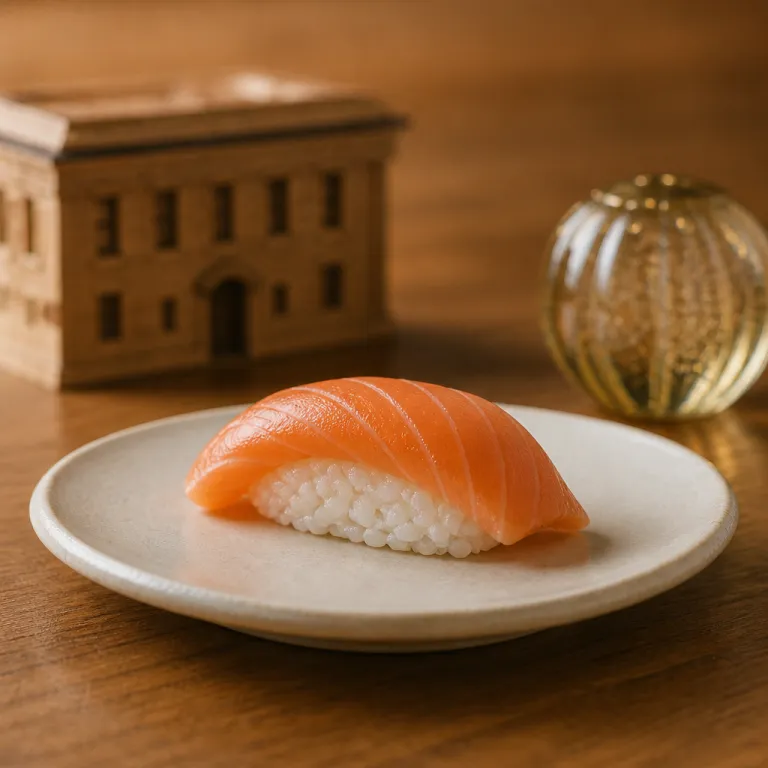
To eat like a resident rather than a rushed visitor, build time into your Otaru day for Sankaku Market, the compact seafood market just below Otaru Station. Here you can see the raw ingredients that Otaru’s sushi chefs transform, from uni and ikura to gleaming seasonal fish, and then choose a counter where the chef still has time to talk between plates. Sit at a narrow counter, watch a chef torch the surface of a single scallop nigiri until it just curls, and notice how the rice loosens the moment it reaches your chopsticks. A private tour with a food-focused guide or a small group walk Otaru experience can help you navigate the difference between photogenic displays and places where the balance of rice, fish and temperature is quietly perfect.
Beyond sushi, there are other things Otaru does well for travelers who stay past the standard day trip, including intimate izakaya where grilled seafood pairs with local sake and winter menus lean into hearty Hokkaido dishes. Look for compact counters tucked into side streets near the canal, where the smell of charcoal and buttered corn crab fills the air and the owner might recommend a junmai ginjo from Yoichi. If you are visiting in the warmer months and planning hikes elsewhere on the island, it is worth reading about how Hokkaido manages summer trail safety with technology before you extend your trip beyond the city. Whether you are in Otaru for a single day or several nights, remember simple advice from local tourism staff: "Wear comfortable shoes", "Check local business hours", "Bring a camera for photos".
Meiji era banks, museums and the architecture that built Otaru’s character
Otaru’s historic wealth came from shipping and finance, and you still feel that legacy when you leave the canal and step into the old financial district. Within a compact area you can visit several former bank buildings, including the Bank of Japan Otaru Museum, where local historians explain how Meiji era trade shaped both the city and wider Hokkaido. These stone structures give an Otaru day trip from Sapporo a depth that goes far beyond a simple canal walk.
Plan at least half a day to explore this museum cluster properly, especially if you enjoy understanding how architecture reflects economic power. Inside the main museum you will find exhibits on currency, trade routes and the role Otaru played as a gateway port for northern Japan, while nearby buildings host smaller galleries and cultural spaces. The Otaru City Museum and related materials note around 25 historic bank buildings in the central district, so architecture-focused travelers may want more than a quick day tour to explore the main museum and several satellite sites. Self-guided visitors can use interactive mobile apps and maps from the local tourism office, but a themed private tour with a historian adds context that many casual day tour groups never hear.
When you step back outside, take time to look up at the façades and note how the stonework, arches and windows differ from what you saw in Sapporo city earlier that day. The contrast between these historic banks and the more modest wooden houses on the hillside streets above Otaru Canal tells a story about class, trade and daily life in Hokkaido Otaru. If you are staying overnight, consider returning in the evening when soft lighting and fewer people make it easier to imagine the city as it might have felt a century ago.
Glass, music boxes and the craft heritage behind the souvenir shelves
Most Otaru day trip from Sapporo itineraries include Sakaimachi Street, the main historic shopping avenue lined with stone warehouses, glass shops and music box stores. At first glance it can feel like a simple souvenir strip, yet behind the displays lies a serious craft tradition that helped define Otaru city’s identity. The challenge for a thoughtful traveler is to separate surface-level trinkets from workshops where artisans still shape glass and tune music boxes by hand.
Kitaichi Glass is the most famous name, and its flagship stores along Sakaimachi Street showcase both everyday glassware and more intricate pieces that suit a design-focused home. Step into the candlelit hall to appreciate how the glass catches the light, then seek out smaller studios on side streets where you can watch craftspeople at work and perhaps try a short glass-blowing session if time allows. These experiences turn a standard day tour into something more tactile, especially when you can speak directly with makers rather than only browsing shelves.
Music boxes are another Otaru signature, and the large box museum near the end of Sakaimachi Street houses an almost overwhelming collection of music boxes in every size. While many visitors on a quick day trip simply photograph the giant clock outside, those who linger can learn how Otaru music culture evolved alongside the city’s trade links and imported mechanisms. If you are traveling as a small group or on a private tour, ask your guide to include a quieter workshop visit where you can hear individual music boxes tested, which feels far more intimate than the constant background music in the main halls.
Backstreets, seasons and why Otaru deserves a night, not just a day
The most rewarding things Otaru offers rarely sit on the main canal path, which is why an overnight stay can transform your impression of the city. One of the best ways to feel this is to walk Otaru along the old Temiya rail line, a disused track that now serves as a quiet path through residential areas and small parks. From there you can climb gently into hillside neighborhoods where the view opens over the harbor and the sound of the crowds fades into a softer city hum.
Season shapes every Otaru day differently, and your planning should respect that rhythm. In deep winter, snow muffles the streets and the illuminated Otaru Canal becomes a softly glowing corridor, best appreciated after most day tour visitors have returned to Sapporo Station. Summer brings festivals such as the Otaru Ushio celebration, when portable shrines and music fill the streets and a simple evening walk can feel like a private tour through living culture.
Whenever you visit, pairing Otaru with other Hokkaido experiences can elevate a longer trip, especially if you enjoy hot springs and quiet luxury. Many travelers combine an Otaru day trip from Sapporo with a stay at an onsen property elsewhere on the island, using Otaru Station as a convenient rail node before heading to more remote valleys. For inspiration on how to weave refined hot spring stays into a broader itinerary, study this refined guide to Hokkaido onsen escapes and then decide how many nights you want to trade from Sapporo city to Otaru city instead.
Key figures for planning an Otaru focused stay
- Otaru hosts an estimated 100 sushi restaurants, according to the local tourism board, which means even a single Otaru day can include both a market breakfast and a refined counter dinner if you stay overnight.
- The Otaru City Museum notes around 25 historic bank buildings in the central district, so architecture-focused travelers may want more than a quick day tour to explore the main museum and several satellite sites.
- The rail journey between Sapporo Station and Otaru Station typically takes under 40 minutes on rapid services along the JR Hakodate Main Line, making an Otaru day trip from Sapporo logistically simple even for travelers with limited time in Hokkaido.
- Otaru’s compact historic core sits within roughly 1 to 2 kilometers of Otaru Station, which allows most visitors to walk Otaru’s key streets, canal and museum area comfortably in a single day, provided they follow the advice to wear comfortable shoes.
FAQ: planning your Otaru day and overnight stay
What is the best time to visit Otaru for a luxury focused trip ?
Otaru is enjoyable year-round, with each season offering unique experiences. Winter emphasizes canal illumination, snow-covered streets and rich seafood, while summer highlights festivals, longer evening walks and easier access to nearby coastal spots. Shoulder seasons suit travelers who prefer quieter streets, softer light on Otaru Canal and more availability at high-end hotels.
Are guided tours available in Otaru for history and food ?
Are guided tours available in Otaru? Yes, various guided tours are offered, focusing on history and cuisine. You will find small group walking tours that link Otaru Canal, Sakaimachi Street and the Meiji era bank district, as well as private tour options that dive deeper into sushi culture or glass and music box workshops. Luxury travelers often prefer private guides who can adjust pacing, secure restaurant reservations and tailor routes to specific interests.
Is English widely spoken in Otaru’s hotels and restaurants ?
Is English widely spoken in Otaru? While Japanese is predominant, many tourist spots have English-speaking staff. In practice, most higher-end hotels, major museums and well-known restaurants near Otaru Canal or Otaru Station can handle basic English, though smaller backstreet venues may rely more on gestures, simple phrases and translated menus.
Can I see the main Otaru spots on a single day trip from Sapporo ?
A well-planned Otaru day trip from Sapporo allows you to visit Otaru Canal, walk Sakaimachi Street, step into at least one museum and enjoy a sushi meal. However, you will be moving at a steady pace, and evening experiences such as canal illumination, quieter backstreets and longer dinners at serious counters are easier if you stay overnight. Travelers who value depth over checklists often allocate one full day and one night to Otaru city within a broader Hokkaido itinerary.
How should I structure my time between Sapporo and Otaru on a short Hokkaido visit ?
On a tight schedule, many travelers base in Sapporo city and dedicate one Otaru day to Otaru, leaving early from Sapporo Station and returning after dinner. A practical outline might be: depart Sapporo around 09:00, arrive in Otaru before 10:00, explore the canal and Sakaimachi Street before a late sushi lunch, visit at least one museum in the afternoon, then enjoy an early evening walk and dinner before boarding a return train around 20:00. If you can spare an extra night, shifting one evening from Sapporo to a canal-side or hillside hotel in Otaru gives you access to quieter streets, more flexible restaurant times and softer morning light on the harbor; for popular counters such as Isezushi or Masazushi, advance reservations are strongly recommended, especially on weekends and holidays.