Hokkaido bear safety for summer hiking around luxury stays
Hokkaido bear safety for summer hiking starts long before you lace boots. Luxury hotels across Hokkaido now brief guests on brown bears and black bears at check in, explaining which nearby trail networks are safest for families and which hikes demand more experience. For premium travelers planning hiking in Japan around Sapporo, Niseko or Furano, the message is clear and calm; bears are part of the mountains, and smart preparation keeps your hike both memorable and safe.
In northern Japan, Hokkaido brown bears are the dominant species, while the smaller black bear is more common on Honshu, so hikers need to understand which animals share each national park and valley. Around Shikotsu Toya National Park, Daisetsuzan National Park and Shiretoko, luxury properties now integrate up to date bear sightings information from local authorities into concierge briefings, helping guests choose trails and start times that reduce the chance of a close encounter with any brown bear. According to Hokkaido Government wildlife updates, several hundred bear sightings are reported across the island each year, so this is not about avoiding hiking Hokkaido altogether; it is about choosing the right trail at the right time, then carrying the right personal bear safety gear.
Families often ask whether bears will approach busy trails or stay deep in the forests, and the honest answer is that bears will follow food and seasonal patterns rather than human expectations. That is why hotel concierges talk through where bears are active that week, which hikes pass berry patches or salmon rivers, and how to carry bear spray correctly without alarming children. For premium guests used to Alpine resorts in Europe or the Rockies in the United States, this level of guidance feels reassuringly Japanese in its precision and respect for wildlife, echoing the cautious tone used by Hokkaido Prefectural Police and park rangers in their public safety notices.
Where luxury and wilderness meet: key regions and bear aware trails
Summer hiking Japan style in Hokkaido means stepping from a polished lobby straight into serious mountains. Around Niseko, high end chalets and onsen resorts sit below ridgelines where brown bears and, occasionally, black bears move at dawn, so the best hotels map out family friendly trails that skirt dense thickets and avoid known bear encounter corridors. When you plan hiking Hokkaido from a luxury base here, staff will usually suggest mid morning start times, when bears are less active and visibility on open trails is at its best.
In Furano and Biei, where lavender fields give way to forested foothills, concierges at premium properties quietly track bear sightings reported by local authorities and guides, then steer guests toward hikes that balance scenery and safety. They know which trail passes near streams rich in fish, where a hungry brown bear might focus on food rather than hikers, and which hikes stay on open ridges with long sightlines that help you avoid a sudden encounter bear moment. For families booking peak summer stays, pairing these curated routes with a detailed briefing on bear bells, bear spray and group spacing turns a simple hike into a well managed wilderness experience.
Shiretoko and eastern Hokkaido are wilder again, with national park landscapes where brown bears have roamed for years with minimal human contact, and where bear attacks remain rare but cannot be ignored. Here, luxury lodges often work directly with certified guides who understand how bears will use river corridors, how to read fresh tracks on muddy trails, and when to turn back rather than risk facing bear behaviour at close range. Hokkaido Government reports note that most serious incidents occur when people surprise bears at short distance, so if you are planning a peak season stay focused on nature escapes and wildlife, it is worth exploring curated options via a specialist resource such as the Hokkaido hotels to book for peak summer guide, then asking each property exactly how they manage bear safety on nearby hikes.
AI, drones and real time alerts: how Hokkaido tracks bears
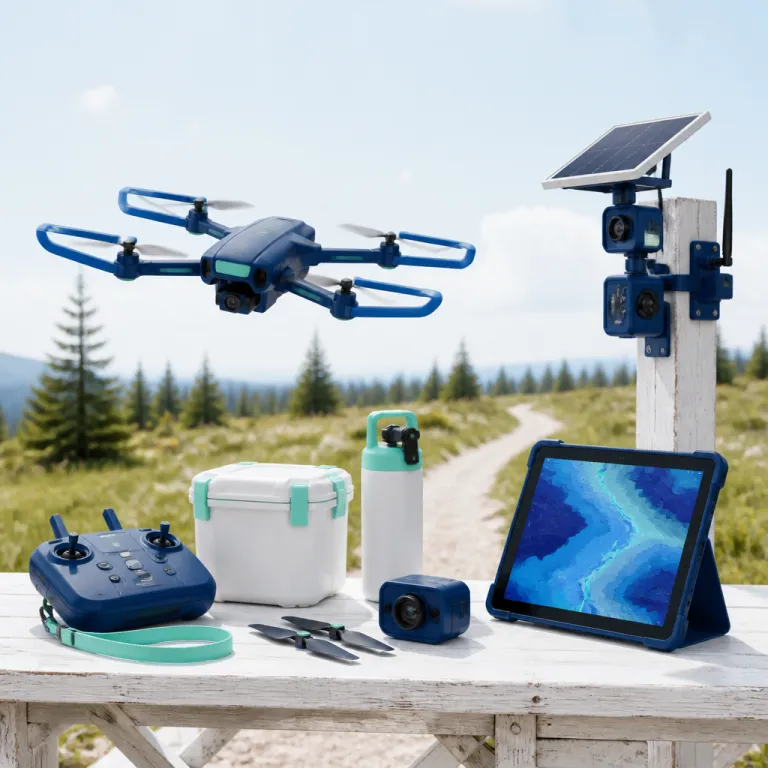
Behind the calm tone of hotel briefings lies a developing safety infrastructure that now shapes Hokkaido bear safety for summer hiking. Hokkaido authorities have partnered with technology providers, including projects involving KDDI Smart Drone, to test permanent drone ports in rural towns like Shintotsukawa, allowing drones to launch when new bear sightings are reported near hiking trails or villages. According to KDDI Smart Drone press materials, these systems use aerial surveillance and AI assisted image analysis to scan forests and river valleys from above, giving wildlife teams a more detailed picture of where brown bears and black bears may be moving before hikers ever set foot on the trail.
Researchers at Fukazawa Laboratory at Sophia University have also explored an AI prediction model that maps bear encounter risk by location and season, giving hikers data driven route choices that go beyond old word of mouth advice. Their published work describes combining past bear sightings, land use and seasonal factors to estimate relative risk on different routes. When combined with municipal alert systems, such as Sapporo City’s official LINE channel that shares real time bear sightings and a Spring Brown Bear Warning Special Period announced on the city website, this technology helps hotels decide which hikes remain suitable for guests and which trails should be avoided for a time. For luxury travelers, the result is a quiet but powerful layer of protection that lets you focus on the view rather than constantly scanning every shadow for a brown bear.
On the ground, drones provide near real time surveillance of bear activity in selected areas. The Skydio Dock for X10 is one example of a drone port enabling automatic takeoff, landing and charging, and similar platforms are being evaluated for wildlife monitoring in rugged terrain. Hotels in bear active regions like Niseko, Shiretoko and rural Tokachi now factor these tools into their daily safety checks, asking rangers whether bears will likely cross specific valleys during popular family hikes and whether any recent bear attacks or aggressive bear encounters have been logged. These systems are still limited by weather, flight regulations and coverage gaps, so they complement rather than replace traditional ranger patrols and local knowledge.
Practical bear safety for premium hikers and families
For all the AI and drones, personal habits still define hokkaido bear safety summer hiking for most visitors. The core advice from Japanese authorities remains simple: hike in groups, make steady noise with bear bells, avoid carrying strong smelling food in open pockets, and skip early morning or late evening start times when bears are most active. Luxury hotels now translate this into practice by lending bear bells at reception, selling compact bear spray canisters, and offering short evening briefings that show guests exactly how to carry bear spray on a belt or pack strap.
Parents often worry about how children will react if they encounter bear movement on a trail, so good concierges rehearse calm, clear instructions before anyone sets out. They explain that if hikers see a brown bear or black bear at a distance, the group should stop, speak firmly, and slowly back away rather than running, which could trigger a chase response in bears active near the trail. Staff also emphasise that most bear encounters in Hokkaido end without incident because hikers respect distance, keep food sealed, and avoid surprising a feeding brown bear at close range.
For guests booking wellness focused stays at onsen resorts, the same principles apply when walking forest paths between baths or exploring short hikes from the property. Many of these hotels now integrate wildlife awareness into their broader wellness philosophy, framing bear safety as part of a respectful relationship with the mountains and rivers rather than a list of prohibitions. If you are planning a restorative stay, resources such as the guide to Hokkaido’s onsen hotels and new wellness stays can help you choose properties that combine deep comfort with thoughtful, family friendly safety culture.
Quick safety checklist for summer hiking in Hokkaido
• Group size: aim for at least three people on remote trails, and keep children between adults rather than at the front.
• Distance: if you see a bear, stay at least 100 metres away and increase that buffer if the animal is feeding or with cubs.
• Bear spray: choose a canister designed for wildlife, check local regulations before travel, and practise releasing the safety clip in a safe place.
• Storage: keep spray on a belt or shoulder strap, not buried in a pack, and store food in sealed bags to reduce odours at rest stops.
Legal and regulatory snapshot
• Drones: recreational and commercial drone flights in Japan are regulated by the Civil Aeronautics Act, with restrictions on altitude, night flying and operations near airports or dense housing; always confirm local rules before launching a drone near hiking areas.
• Bear spray: some airlines and public transport operators prohibit carrying bear spray, and local rules may govern where it can be used, so check carrier policies and municipal guidance in Hokkaido before you travel.
How luxury hotels integrate conservation and guest safety
What sets Hokkaido apart for many premium travelers is the way its best hotels treat brown bears and black bears not as villains, but as neighbours sharing the same mountains. In regions with frequent bear sightings, properties work closely with Hokkaido authorities and local hunters who now test thermal sensor drones during spring management operations, focusing on non violent interventions such as tracking collars and habitat corridors instead of routine culling. This conservation first mindset shapes how concierges talk about hiking Japan in Hokkaido; the goal is coexistence, not elimination.
On the booking side, serious luxury hotels now publish clear bear safety information on their websites and pre arrival emails, outlining which nearby trails pass through known hokkaido brown bear habitat and which hikes are considered low risk for families. Some properties in Shiretoko and Daisetsuzan National Park even offer guided hikes where a trained naturalist explains how bears will use terrain features, how to read claw marks on trees, and what to do if you ever find yourself facing bear behaviour at closer range. For guests used to more manicured resort environments, this level of transparency builds trust and turns potential anxiety about bear attacks into informed respect.
When you compare options on a specialist platform such as the nature escapes in Hokkaido luxury and premium hotel guide, look for signs that a property treats wildlife safety as part of its core service, not an afterthought. Ask whether staff carry bear spray on guided walks, how they coordinate with national park rangers during periods of heightened bear encounters, and whether they adjust recommended trails when bears are active near berry patches or salmon runs. The most reliable hotels will answer in detail, referencing years of experience and specific protocols rather than vague reassurances.
FAQ
Which Hokkaido hiking areas are most affected by brown bears in summer ?
Brown bears are most common in eastern and central Hokkaido, especially around Shiretoko, Daisetsuzan National Park and parts of Shikotsu Toya National Park. Trails near salmon rivers, berry rich slopes and remote valleys see more bear activity than urban fringe hikes. Local authorities report a high and rising number of bear sightings each year across the island, and luxury hotels in these regions usually know current bear movement patterns and will advise you on the safest routes for your stay.
How do drones and AI actually keep hikers safe from bear encounters ?
Drones equipped with cameras and thermal sensors allow wildlife teams to scan large areas quickly when new bear sightings are reported near towns or popular trails. AI systems then analyse these images and past data to suggest where bears will likely move, helping authorities close or reroute trails before hikers arrive. Hotels use this information to update their daily advice, steering guests toward hikes with lower encounter risk, while recognising that technology cannot detect every bear or predict every movement.
Should I carry bear spray and bear bells when hiking Hokkaido in summer ?
Carrying bear spray and using bear bells is strongly recommended on forested trails in Hokkaido, especially in regions known for brown bears. Bear bells help alert bears to your presence so they can move away, while bear spray is a last resort deterrent if a bear approaches at close range. Many premium hotels either lend this equipment or sell approved products, and staff can show you how to carry bear spray safely and check any local rules on its use.
Are bear attacks on hikers common in Hokkaido ?
Bear attacks on hikers remain uncommon compared with the number of people who walk Hokkaido’s trails each summer, but incidents do occur when bears are surprised at close range or attracted by unsecured food. Authorities record many bear sightings across Hokkaido in recent years, yet only a small fraction involve aggressive behaviour toward people. Following local guidance on start times, group size and food storage significantly reduces your personal risk.
How do luxury hotels in Hokkaido support families worried about bears ?
High end hotels in bear active regions now integrate wildlife safety into their guest experience, especially for families. They provide clear maps showing safer trails, lend bear bells, explain how to behave if you encounter bear movement, and sometimes arrange guided hikes with trained naturalists. This combination of comfort, information and practical support allows children to enjoy the mountains while parents feel that risks are being managed thoughtfully.