Design hotels in Hokkaido: how Nordic minimalism meets Japanese craft
What Hokkaido design really means for luxury travelers
Hokkaido’s most interesting new hotel openings share a quiet confidence. They treat design as a language that connects the island’s volcanic landscapes with the restrained elegance of northern Europe, creating design hotels in Hokkaido that feel both grounded and global. In this new generation of hotels in Japan, every room, corridor and public bath is shaped by light, texture and the rhythm of the seasons.
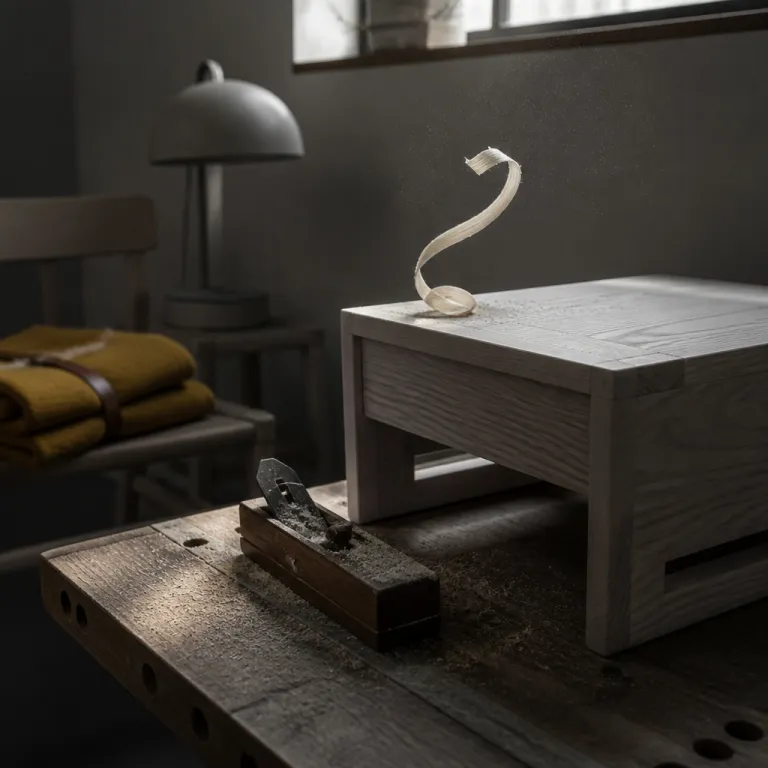
At its core, Hokkaido design is the meeting point between traditional Japanese craft and Nordic minimalism. Architects lean on local birch, cedar and volcanic stone, then pair them with clean lines, low furniture and generous glazing that frames each view of snowfields, forests or shores of a lake. This approach is reshaping how travelers think about a luxury hotel in Hokkaido Japan, especially guests used to more conventional hotels Japan once built around sheer room numbers rather than atmosphere.
Public spaces in these hotels are intentionally calm, with onsen and hot springs treated as sculptural centerpieces rather than hidden amenities. You will notice how a single room corner might be oriented to catch the last light over Sapporo Japan, or how a lounge in Niseko Hokkaido uses wool throws and timber beams to echo Scandinavian chalets. For business leisure travelers extending a work trip, this design language turns a standard night into a restorative pause between meetings, ski runs and long travel days.
From Sapporo to Jozankei: urban calm and hot spring valleys
Sapporo is where many travelers first check into this new design story. Around Odori Park, a cluster of intimate properties and larger hotels join the skyline with façades that use Hokkaido wood, soft stone and warm lighting to soften the city’s grid. Hotel Sosei Sapporo, for example, layers shoji screens over Nordic inspired furniture, proving that design hotels in Hokkaido can feel both urban and quietly residential.
Onsen Ryokan Yuen Sapporo takes a different angle, positioning its hot spring baths as the emotional heart of the hotel Sapporo experience. The architects use local stone and timber to frame the indoor and outdoor baths, so each hot spring pool feels like a minimalist courtyard rather than a generic spa. Families considering where to stay in Sapporo Japan often find these rooms more flexible than traditional Japanese ryokan suites, and they pair well with the family friendly luxury stays highlighted in our Hokkaido with kids guide.
South of the city, the valley of Jozankei Sapporo has become a laboratory for hot springs focused design. Properties such as Chalet Ivy Jozankei reinterpret the classic onsen hotel by combining floor to ceiling windows, deep soaking tubs, spa and massage facilities and contemporary art with views of forested slopes. In these hotels, every room corner is choreographed so that guests can watch snow fall over the river, check the weather for a potential ski day, or simply enjoy a quiet night soaking in private hot springs before returning to Sapporo’s restaurants the next morning.
Niseko and the ski resorts: powder, timber and Nordic lines
Niseko remains the island’s headline ski resort, but its most interesting hotels are no longer just about proximity to lifts. A cluster of design hotels in Hokkaido’s most famous powder town now focus on how architecture can frame the mountain rather than dominate it. This is where the shared DNA between Scandinavian chalets and traditional Japanese inns becomes most visible.
Kimamaya by Odin in Niseko Hokkaido is a case in point, described as a hotel blending Scandinavian design with Japanese sensibility. Nearby, Chalet Ivy Hirafu offers a similar commitment to minimalist lines and tactile materials, positioning itself as a chalet combining minimalist design with luxury detailing. These properties show how a ski hotel in Japan can offer rooms that feel like private residences, with generous timber, wool and stone, while still delivering the full service expectations of international hotels Japan guests know well.
For skiers, the design details translate into real comfort after a long day on the mountain. Wide benches near the entrance make it easy to unbuckle boots, while onsen zones and hot spring pools are placed to capture a direct view of Mount Yotei at night. Travelers comparing different ski resort options across Hokkaido can use our Hokkaido resort guide to check availability, evaluate each deal and understand which hotel style best matches their travel rhythm, whether they prefer intimate rooms or larger suites with space for work and family.
Lake Toya, Poroto and the rise of cultural and lakeside retreats
Move away from the ski belts and another side of design hotels in Hokkaido emerges around the lakes. On the shores of Lake Toya, architects are using the still water and volcanic caldera as a natural stage set, arranging rooms so that every bed faces the lake rather than the corridor. Here, the best hotels in Japan for slow travel use long terraces, low lighting and generous glazing to keep the focus on the landscape.
Hoshino Resorts KAI Poroto, near Lake Poroto, pushes this further by weaving Ainu heritage into a minimalist framework. The property is described as a lifestyle hotel integrating Ainu heritage and minimalist design, and it shows in the circular forms, timber lattices and quiet communal spaces that reference traditional Japanese and indigenous architecture. Public hot springs and spa treatment areas are designed as gathering places, not just wellness add ons, so guests can feel the cultural layers of Hokkaido Japan while they soak.
These lakeside hotels often appeal to business travelers who want to extend a Sapporo meeting into a two night retreat. Many properties now offer curated offers that bundle transfers, onsen access and seasonal dining into a single deal, making it easier to check total costs in advance. If you are planning a circuit that combines ski, city and lakeside stays, our overview of nature escapes and luxury hotels will help you compare availability, understand which rooms work best for your schedule and decide when to contact each hotel directly for tailored arrangements.
How to choose and book the right design hotel in Hokkaido
Choosing between these design hotels in Hokkaido starts with being honest about how you travel. If you plan to ski hard in Niseko Hokkaido, prioritize a hotel with generous onsen facilities, easy access to lifts and rooms that allow you to dry gear without sacrificing style. For a more reflective stay, look to Jozankei Sapporo or the shores of Lake Toya, where hot springs and forest views take precedence over nightlife.
When you check availability, pay attention to how each hotel describes its room categories. Some properties highlight a specific room corner with a panoramic view, while others emphasize traditional Japanese tatami layouts or Western beds with Nordic textiles. A growing number of hotels join loyalty programs or curated collections, which can bring better offers for repeat guests, but the most characterful hotel often rewards direct contact by email or phone when you want a particular room or a bespoke spa and massage treatment.
From a practical standpoint, design focused hotels in Japan increasingly encourage guests to subscribe to a newsletter for early access to seasonal packages and limited time deal options. These communications often outline new collaborations with local artisans, updates to onsen or hot spring facilities and changes to dining concepts that reflect Hokkaido Japan’s seasonal produce. For travelers who value both aesthetics and efficiency, this is the easiest way to align your booking window, preferred night count and budget with the evolving style of the island’s most interesting hotels, whether you are eyeing Chalet Ivy Jozankei, Chalet Ivy Hirafu, Kimamaya by Odin or a new hotel Sapporo opening that fits your personal definition of luxury.
FAQ
What defines a design focused hotel in Hokkaido ?
The most compelling design hotels in Hokkaido emphasize architecture, materials and a strong sense of place rather than just amenities. One widely used definition explains it simply: “What defines a design hotel? A hotel emphasizing unique architecture and interior design.” In practice, that means thoughtful use of local timber and stone, carefully framed views, generous onsen or hot springs and rooms that balance traditional Japanese elements with contemporary comfort.
Are these design hotels suitable for families ?
Many of Hokkaido’s design oriented hotels welcome families, especially in Sapporo, Niseko and around the lakes. Industry overviews consistently note that “Are these hotels suitable for families? Yes, they offer amenities catering to families.” When you contact a hotel, ask about larger rooms, connecting layouts and child friendly access to spa and massage facilities or hot spring areas, as policies vary between properties.
How should I book a design hotel in Hokkaido ?
For the best combination of price, room choice and flexibility, start by checking availability on the hotel’s official website, then compare with trusted travel agencies if you need packaged flights or ski passes. The guidance from our reference material is clear : “How to book these hotels? Through their official websites or travel agencies.” High demand periods around peak ski season or national holidays often sell out early, so consider subscribing to a newsletter from your preferred hotels to hear about new offers or a last minute deal.
Why do so many Hokkaido hotels combine Nordic and Japanese design ?
Hokkaido’s climate, light and materials naturally align with Nordic aesthetics, while its cultural roots are firmly traditional Japanese. Designers see an opportunity to merge these worlds, which the reference list explains succinctly : “Why combine Nordic and Japanese design? To create harmonious, minimalist spaces with cultural depth.” For guests, that fusion translates into calm rooms, generous use of natural materials and public spaces that feel both international and unmistakably Hokkaido Japan.
What activities can I expect near these design hotels ?
Most design hotels in Hokkaido are positioned close to signature experiences such as ski slopes, onsen towns, lakes or cultural sites. The reference list notes that “What activities are available nearby? Skiing, hot springs, cultural tours, and nature excursions.” Whether you stay in a hotel Sapporo for business, a lakeside retreat on the shores of Lake Toya or a ski resort base in Niseko Hokkaido, you can plan days that move easily between meetings, mountain runs, spa sessions and slow evenings in your room corner watching the snow fall.