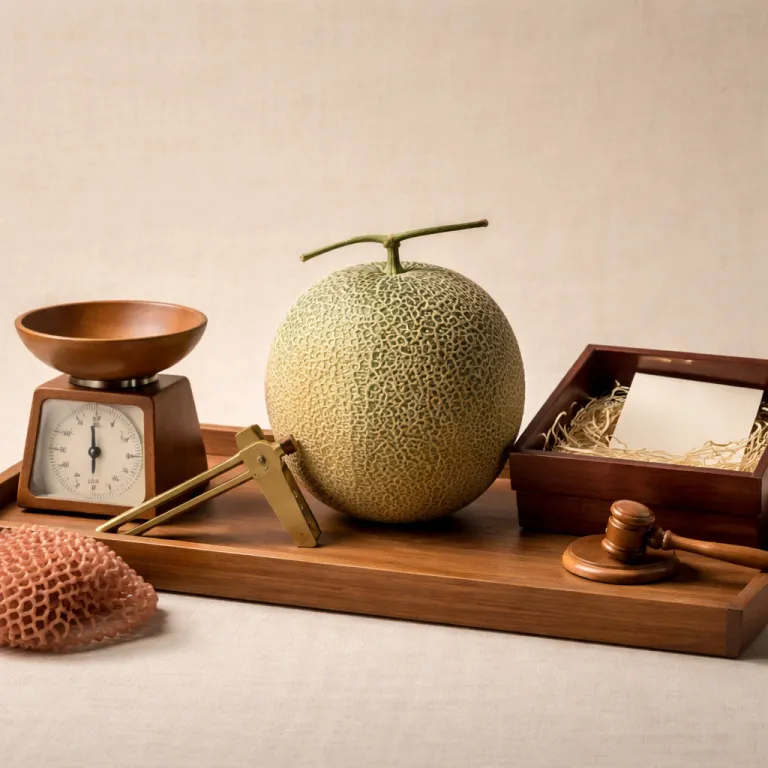
Yubari melons smash their own auction record at ¥5.8 million
Quick facts: On May 23, 2024, at the Sapporo Central Wholesale Market’s first auction of the season, a pair of Yubari King melons from Yubari, Hokkaido sold for a record ¥5.8 million (about US$37,000), according to NHK and Hokkaido Shimbun reports. The sale reaffirmed Yubari’s status as Japan’s most coveted luxury melon and turned the opening auction into a national talking point for food-focused travelers watching Hokkaido’s summer season.
At Sapporo Central Wholesale Market, a pair of Yubari melons has just reset the benchmark for Japan’s most symbolic luxury fruit. In a tightly choreographed yen auction at this central wholesale hub in Sapporo city, two perfectly netted Yubari melons sold for a reported record price of ¥5.8 million, eclipsing the previous headline figure and confirming that melons from Yubari, Hokkaido now sit at the apex of Japanese food prestige. According to coverage from national broadcasters including NHK and regional outlets such as Hokkaido Shimbun, this opening auction result has become a shorthand for the island’s commitment to terroir, craftsmanship and seasonal ritual rather than a simple agricultural transaction. One auction official was quoted as saying that the record price “shows how strongly people feel about supporting Yubari’s farmers and keeping this tradition alive.”
The winning bidder was Futami Seika Co., a fruit and vegetable wholesaler based in Kushiro that understands exactly how such melons fetch attention in both Sapporo and Tokyo. In this first-season auction, Futami Seika used competitive bidding at the Sapporo venue to ensure that this pair of Yubari King melons would generate record headlines, even though these melons sold at more than one hundred times the standard wholesale market price. As reported by Japanese media, the company plans to send the Yubari melon pair to a Keio Store supermarket in Tokyo, where the fruit will be displayed as a symbol of Hokkaido’s record season and then shared with customers as complimentary tasting portions during a one-day event.
For context, official figures cited in local news reports indicate that two Yubari melons sold for ¥5.8 million, total melons sold at the auction reached 912, and the expected shipment volume for the season is around 3,086 tons, while previous record prices were lower. The organizers frame the story around three simple questions: “What are Yubari melons?”, “Why are Yubari melons so expensive?” and “Who buys Yubari melons at high prices?”. This year’s auction season is designed to promote Yubari melon quality, support local farmers in Yubari city and ensure that national media coverage reinforces Hokkaido’s image as Japan’s northern capital of refined food.
From Yubari city terroir to Hokkaido’s luxury hotel tables
Yubari King melons are grown only in Yubari city, a former coal town in Yubari, Hokkaido whose volcanic soils and cool nights create a melon season with unusually concentrated sweetness. Under strict controls by the Yubari Melon Association, each premium fruit is graded for sugar content, netting and shape, which is why Yubari melons consistently rank above other Japanese melon varieties in both price and prestige. When an early-season lot reaches record yen levels, it reflects not only scarcity but also the meticulous work of local farmers and the Yubari Agricultural Cooperative, who treat each King melon as a luxury product rather than a simple piece of produce.
For travelers, the most interesting question is where these melons meet the island’s high-end hospitality. In Sapporo, several luxury hotels near Sapporo Central Wholesale Market quietly secure early-season fruit, then present chilled Yubari slices at breakfast buffets, afternoon tea and kaiseki-style dinners that pair the melon with Hokkaido dairy, lavender honey and even savory courses such as scallop curry. During the broader Hokkaido summer food season, when uni, dairy products and soft serve dominate menus, a carefully plated serving of Yubari melon in a hotel lounge becomes a subtle status marker, signaling that the property has both the relationships and the budget to pay premium prices at the central wholesale auctions.
Solo travelers using a luxury and premium hotel booking website will notice that top properties in Sapporo, Niseko and Furano now highlight Yubari-focused fruit experiences alongside onsen access and chef-led tasting menus. Some arrange early morning visits to the wholesale market so guests can watch an auction session in person, hearing the rapid-fire calls as melons sold in lots move across the central wholesale floor. If you are planning a summer itinerary built around seasonal food, pair a Yubari city visit with a stay timed to the lavender and festival period using a detailed Hokkaido summer checklist, which you can find in our guide to Hokkaido’s summer lavender fields, festivals and hidden beaches.
Why the Yubari auction matters for luxury travelers in Hokkaido
The annual Yubari melon auction is part of a long-running Japanese tradition in which first auction bids function as symbolic purchases rather than normal market transactions. Businesses such as Futami Seika pay record yen prices so that the fruit attracts national headlines, then use the event to reinforce their reputation for handling the finest fruit and vegetable products in Japan’s competitive retail landscape. In this context, the yen auction is closer to a branding exercise than a simple food trade, and the record-season price becomes a shorthand for quality that hotel concierges and chefs in Hokkaido can reference when explaining why a single slice of Yubari King on your breakfast tray feels so special.
Gift culture is central to how Japanese people relate to premium fruit, and Yubari melons sit at the top of that hierarchy. High-end hotels in Sapporo and Tokyo sometimes arrange omiyage-style gifting services, where a guest can send a boxed pair of Yubari King melons from Yubari, Hokkaido to a client or family member, mirroring the way corporate buyers use the season’s auction to honor partners. During peak melon season, you will see Yubari-based desserts in hotel lounges, from parfaits layered with local dairy products to restrained plates that pair a single slice of King melon with a small pour of Hokkaido whisky, while some chefs even integrate melon into a mild seafood curry course.
For travelers who care about where their food comes from, watching melons sold at the central wholesale market in Sapporo city can be as revealing as a visit to a sake brewery or a wagyu farm. Combine a Sapporo stay with a lakeside retreat at Lake Shikotsu or Lake Tōya, choosing a property from our guide to selecting the right lakeside retreat in Hokkaido, then return to the city for a night where dessert is simply chilled Yubari melon and silence. If you want to go deeper into Hokkaido’s seasonal rhythm, align your booking with both the melon auction season and the cooler evenings that make an open-air onsen session unforgettable, using our refined guide to Hokkaido onsen escapes to choose a property where the bath, the fruit and the mountain air all feel in balance.