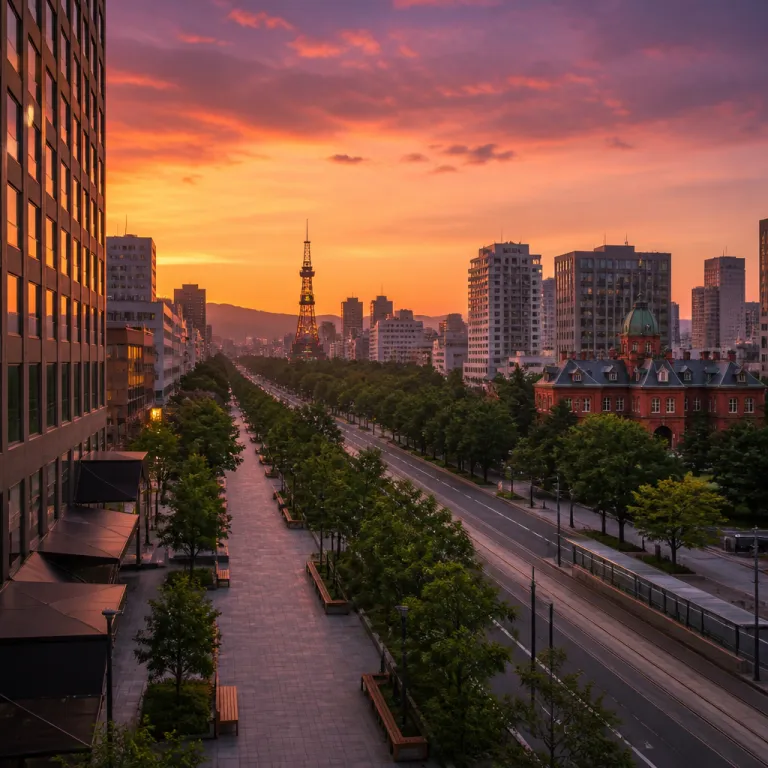
Sapporo station area: efficient arrivals, polished towers and easy access
Sapporo Station is where the city feels most like a northern capital. For a business-focused stay in Sapporo, this transport hub gives you sleek high-rise towers, direct rail to New Chitose Airport and fast links across Hokkaidō. Many travelers comparing where to stay in Sapporo choose a hotel here for one simple reason: everything runs on time.
From the upper floors of a luxury hotel near Sapporo Station, you look over the grid of streets and the distant mountains. The best hotels Sapporo offers in this district sit above department stores, with underground passages that keep you out of the Sapporo snow on the coldest days. Flagship properties such as JR Tower Hotel Nikko Sapporo or Hotel Gracery Sapporo sit almost on top of the concourse, which makes it easy to move between meetings by train, subway or bus and still return to a calm room at night.
Most five-star properties in the station area are only a few minutes’ walk from the JR concourse. That matters when you arrive from New Chitose Airport on a late flight and simply want to check in, adjust the room temperature and sleep. For a first stay, this guide recommends choosing a hotel in the station area if you value efficiency over nightlife and want reliable mid-range and premium rates with clear corporate-style offers and loyalty benefits.
Odori park area: central Sapporo, green views and seasonal events
Move one subway stop south from Sapporo Station and the mood changes. Around Odori Park, the city opens into a long green strip that runs like a ribbon through central Sapporo. When travelers search where to stay in Sapporo for sightseeing, this is usually the first neighborhood I suggest.
Hotels facing Odori Park give you front-row seats to the Sapporo Snow Festival sculptures in winter and the Odori Beer Garden in summer. During the Snow Festival, the contrast between the quiet of your hotel lobby and the energy outside at Odori Park is part of the charm. You step out for twenty minutes of Sapporo snow and light, then retreat to a bar chair and a Hokkaidō whisky highball. Properties such as Sapporo Grand Hotel or Cross Hotel Sapporo place you within a five- to ten-minute walk of the main snow and light displays.
Odori Station sits beneath the park and links three subway lines, so easy access is guaranteed. Many mid-range hotels Sapporo has in this corridor are a five- to eight-minute walk from both Odori and Sapporo stations, which keeps transfers simple. If you care about onsen culture, consider pairing an Odori stay with a night in a property that offers a private onsen room elsewhere in Hokkaidō, using a specialist guide to private onsen stays in Hokkaidō for planning.
Susukino area: late nights, ramen steam and neon reflections on snow
South of Odori, Susukino is where Sapporo glows after dark. The Susukino area is dense with ramen counters, cocktail bars and parfait cafés that stay open long after the last office lights go out. If your idea of the perfect stay in Sapporo involves walking from dinner to drinks in under a minute, this is your neighborhood.
Susukino Station anchors the district, with hotel options rising above the intersections in every direction. Many properties here are mid-range towers with compact rooms, but they compensate with strong dining scenes and competitive rates that reward those who check early booking offers. During peak festival periods, especially when visitors arrive for the Snow Festival, rooms in the Susukino area fill quickly because people want to be a short walk from late-night ramen after a cold day outside. Popular choices such as Mercure Hotel Sapporo or Tmark City Hotel Sapporo offer quick access to the main neon streets.
From Susukino you can still reach Odori Park and Nakajima Park on foot, which keeps this nightlife base connected to the rest of the city. A ten- to fifteen-minute walk north brings you to Odori, while a similar stroll south reaches the riverside paths near Nakajima. If you are planning a longer Hokkaidō itinerary that includes August events, pair nights in Susukino with a reference to Hokkaidō’s August festival calendar in regional travel guides to time your stay around parades and bon odori dances.
Nakajima park and south Sapporo: green space, culture and quieter luxury
Follow the subway one more stop south and Sapporo softens again around Nakajima Park. Here, the city’s energy gives way to tree-lined paths, a small lake and cultural venues that make the Nakajima Park area ideal for slower mornings. Travelers who ask where to stay in Sapporo for calm, but still want easy access to Susukino and Odori, often end up here.
Hotels along the edge of Nakajima Park and near Nakajima Koen Station lean more toward premium and luxury, with larger rooms and better soundproofing. Many suites look directly over the park area, so you wake to Sapporo snow on pine branches in winter or deep green foliage in summer. Families appreciate that the walk from lobby to playground is measured in a single minute, while business travelers enjoy running loops around the lake before breakfast. Notable properties such as Sapporo Park Hotel or Premier Hotel Nakajima Park Sapporo combine park views with quick subway access.
The sub-district sometimes called Sapporo Nakajima works as a bridge between the entertainment of Susukino and the residential streets further south. From a hotel in this pocket, you can reach Susukino Station in about a fifteen-minute walk, or two stops by subway, and Odori Park in a few more minutes. It suits travelers who want refined hotels Sapporo provides, but prefer to stay slightly removed from the neon, with reliable mid-range and high-end rates that reflect the quieter setting.
Maruyama and west Sapporo: residential streets, Hokkaidō Shrine and café culture
West of central Sapporo, the Maruyama area feels like a different city. Low-rise streets, independent cafés and the wooded slopes of Maruyama Park attract residents first and visitors second. For travelers who already know where to stay in Sapporo for business, this district offers a more local second stay.
There are fewer large hotels here than around Sapporo Station or Odori Park, but that is part of the appeal. You trade a dense station-area skyline for quiet residential blocks and a slower rhythm between meetings or ski days. Hokkaidō Shrine sits at the edge of Maruyama Park, and walking there in fresh Sapporo snow is one of the city’s most atmospheric winter experiences. Allow around twenty minutes on foot from Maruyama Koen Station to reach the main shrine approach.
From Maruyama Koen Station, a short subway ride of roughly seven minutes brings you back to Odori Station or Susukino Station, so you never feel cut off from the center. Many travelers split their stay in Sapporo between a hotel near Sapporo Station for arrival and departure nights, then a smaller property near Maruyama for the middle of the trip. If you are continuing on to coastal towns, use a specialist guide to Otaru and western Hokkaidō to plan how this quieter base fits into a wider Hokkaidō circuit.
How to choose your base: transit first, then style and rates
When you decide where to stay in Sapporo, start with the subway map rather than the star rating. Most of the city’s key sights, from Odori Park to Nakajima Park and the Susukino area, sit along a simple north–south axis. That means easy access to a station often matters more than whether your hotel lobby has marble or minimalist timber.
For first-time visitors, the Sapporo Station area offers convenience and easy transport access. For nightlife, Susukino is renowned for its vibrant evening scene and dining options. For peace, the Nakajima Park area provides a tranquil environment suitable for families and travelers who value green space.
Once you have chosen your preferred station area, compare hotels Sapporo offers there by walking time, room size and cancellation policy. Look at how many minutes’ walk it is from the lobby to Sapporo Station, Odori Station or Susukino Station, especially in heavy Sapporo snow. Then check rates across several nights, paying attention to seasonal offers during the Snow Festival and other events, because the perfect stay in Hokkaidō’s capital is less about a single famous property and more about a well-matched neighborhood, a reliable Sapporo hotel base and a clear plan for how you will move through the city.
- Typical nightly price bands (per room, off-peak): budget business hotels around Sapporo Station or Susukino from roughly ¥6,000–¥10,000; mid-range city hotels near Odori Park or Nakajima Park from about ¥10,000–¥18,000; upscale and luxury properties in tower hotels or park-front locations from around ¥18,000–¥35,000 depending on season.
- Representative walking times to key stations: JR Tower Hotel Nikko Sapporo to Sapporo Station ticket gates: about 1–3 minutes indoors; Sapporo Grand Hotel to Odori Station: roughly 5 minutes on foot; Mercure Hotel Sapporo to Susukino Station: around 3–4 minutes; Premier Hotel Nakajima Park Sapporo to Nakajima Koen Station: about 2–3 minutes.
- Simple mental map of central Sapporo: Sapporo Station at the north, Odori Park in the middle, Susukino just to the south and Nakajima Park a little further down the same axis, with Maruyama and Hokkaidō Shrine set to the west beyond Odori.
Key figures for planning your stay in Sapporo
- Sapporo has a population of about 1,950,000 people, which makes it the largest city in Hokkaidō and ensures a wide range of hotel categories around Sapporo Station, Odori Park and Susukino (Sapporo City Official Statistics, Sapporo City Official Tourism Website).
- The Sapporo Snow Festival attracts around 2,000,000 visitors each winter according to the Sapporo Tourism Board and the Hokkaidō Government Tourism Department, so booking a stay in Sapporo several months ahead is essential if you want competitive rates in the Odori Park area.
- New Chitose Airport sits roughly 45 kilometres from central Sapporo, and the airport train takes about 40 minutes to reach Sapporo Station, which is why so many travelers choose a hotel in the station area for their first or last night (JR Hokkaido timetable data and Japan National Tourism Organization transport summaries).
- The main subway line linking Sapporo Station, Odori Station, Susukino Station and Nakajima Koen Station runs trains every few minutes during the day, so any hotel within a five- to ten-minute walk of these stops offers practical city-wide access (Sapporo City Official Tourism Website).
FAQ about where to stay in Sapporo
Which Sapporo neighborhood is best for first time visitors ?
The Sapporo Station area is the best base for first-time visitors, because it combines direct rail from New Chitose Airport, extensive department stores and straightforward transfers to Odori Park, Susukino and Nakajima Park by subway.
Where should I stay in Sapporo for nightlife and dining ?
Susukino is the top choice if you want nightlife, late-night ramen and easy access to bars, while still being one or two subway stops from Odori Park and Nakajima Park for daytime sightseeing.
Is there a peaceful area to stay in Sapporo ?
The Nakajima Park area offers the most tranquil environment within central Sapporo, with green space, riverside walks and several premium hotels that face the park yet remain one or two stops from Susukino and Odori.
How far is Sapporo from New Chitose Airport ?
New Chitose Airport is about 45 kilometres from Sapporo, and the rapid train connects the airport to Sapporo Station in roughly 40 minutes, making the station area ideal for late arrivals or early departures.
Do I need to stay near Odori Park for the Sapporo Snow Festival ?
Staying near Odori Park places you closest to the main Sapporo Snow Festival sculptures, but you can also base yourself around Sapporo Station or Susukino and reach the park in a few minutes by subway or a short walk.
References
- Sapporo City Official Tourism Website
- Sapporo City Official Statistics
- Hokkaidō Government Tourism Department
- JR Hokkaido timetable data
- Japan National Tourism Organization
- Sapporo Tourism Board