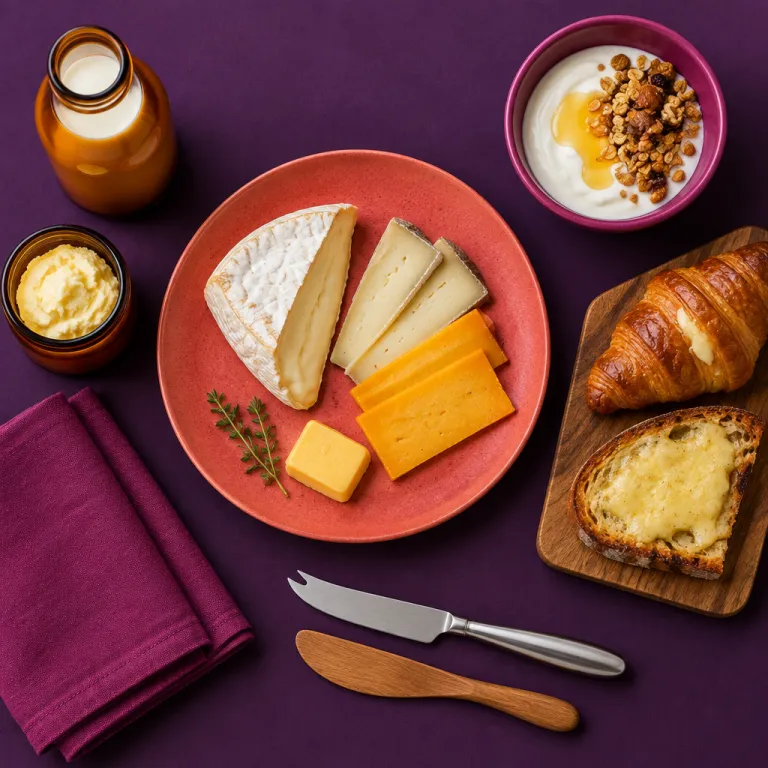
Why Hokkaido dairy tastes different from the rest of Japan
Hokkaido sits further north than the rest of Japan, and that cooler climate shapes every glass of milk and every slice of cheese. Long snowy winters and mild summers mean cows graze on slow grown pasture with high sugar content, which gives Hokkaido milk and cream a richer, cleaner flavor. For families planning a hokkaido cheese dairy farm visit, that landscape is not just scenery ; it is the quiet engine behind the island’s most memorable food experiences.
Across the island, especially around Furano, Tokachi and Sapporo, dairy farms work with Holstein and Brown Swiss cattle, breeds that respond well to the cool air and long grazing season. Many of these dairy farm owners now welcome guests for a structured travel experience, where a guide explains how fresh milk moves from barn to cheese factory in a single day. When you visit Hokkaido with children, watching hokkaido dairy producers skim cream for ice cream or soft serve becomes as compelling as any ski tour or city trip.
Luxury hotels have learned that their guests arrive expecting this level of freshness on the plate. At breakfast buffets in Sapporo and Furano city, you will often see labels specifying hokkaido milk from a named farm, alongside cultured butter, yogurt and other dairy products from the same region. For a premium family, that first meal of the day quietly sets the tone for the entire visit, turning a simple spread of bread, cheese and jam into a grounded sense of place.
From ski slopes to cheese plates: where to taste Hokkaido dairy in style
Many travelers first visit Hokkaido for the snow, then stay for the food. In winter, a morning on the slopes followed by an afternoon hokkaido cheese dairy farm visit creates a rhythm that works beautifully for families. If you are planning refined winter escapes, pair your chosen ski resort with a nearby cheese factory or dairy farm to balance adrenaline with calm.
High end properties in Niseko, Furano city and the Sapporo area now design menus around local dairy, not just as a garnish but as a central theme. Before you book, study how each hotel uses Hokkaido dairy products in breakfast, afternoon tea and dessert ; the best kitchens treat fresh milk and cream with the same respect they give wagyu or uni. When you compare luxury ski resorts in Japan, look for those that highlight farm partnerships and offer curated food tours rather than only promoting lift passes or room size.
Some hotels arrange private transfers or a rental car so guests can reach a nearby experience farm after skiing. A guided visit might include a short tour of the barns, a cheese making demonstration and a tasting of furano cheese or soft serve made from that morning’s fresh milk. For families, this kind of travel experience turns a standard ski trip into a layered food journey, where children remember not just the powder but the warm ice cream counter after a cold day outside.
Furano’s fields, furano cheese and the family friendly dairy trail
Furano sits almost in the center of Hokkaido, and its wide valley makes an ideal base for a hokkaido cheese dairy farm visit. In summer, the patchwork fields around Furano city and nearby Farm Tomita glow with lavender and wheat, while dairy cows graze on the slopes beyond. That mix of color and calm gives families space to slow down between more intense days in Sapporo or Asahikawa.
Near Furano station, several small producers operate a cheese factory or cream making workshop that welcomes visitors. A typical tour might start with a short guide led walk through the production rooms, where you can watch furano cheese being shaped, then move into a hands on cheese making or butter churning session. Children respond well to this tangible food education, especially when it ends with a tasting of fresh ice cream or soft serve made from hokkaido milk collected earlier in the day.
Many agritourism stays in the wider region, including converted farmhouses in Tokachi, build their hospitality around direct contact with dairy farm life. A stay on an experience farm often includes feeding calves, collecting eggs and joining a simple dinner where local dairy products anchor the menu. Families who visit Hokkaido this way often report that the quiet moments on the farm, rather than the more famous sightseeing, become the emotional center of the trip.
Tokachi and Obihiro: artisan cheese factory visits for serious food lovers
Tokachi, with Obihiro as its main city, is the engine room of Hokkaido dairy and a key region for any hokkaido cheese dairy farm visit. The plains here are broad and fertile, giving dairy farms space to rotate pasture and grow feed crops with minimal stress on the land. That agricultural depth has attracted a new generation of cheese makers who treat milk with the precision of winemakers.
In and around Obihiro, you will find a cluster of cheese factory sites where visitors can book structured tours. A typical visit includes a guide explaining how fresh milk from local farms is tested, pasteurized and transformed into soft and hard cheeses over days and weeks. Many factories now offer tasting flights that compare cheeses made from summer and winter milk, showing how climate and feed subtly shift flavor in ways that reward patient travel.
For luxury travelers, the most interesting properties in Tokachi are not always the largest hotels but the ones that integrate dairy products into every stage of the stay. Expect breakfast trays with cultured butter, yogurt and cream from a single named dairy farm, followed by afternoon snacks of grilled cheese on local bread and evening desserts built around ice cream or panna cotta. When you plan your trip, ask the concierge to arrange a private tour with a driver or rental car, so your family can move comfortably between farm, factory and hot spring without rushing the experience.
Onsen, hot springs and dairy rich hotel breakfasts
After a long soak in a hot spring, Hokkaido’s dairy rich breakfasts taste even more indulgent. Many ryokan and luxury resorts near onsen towns such as Noboribetsu, Jozankei and Tokachigawa design their morning menus around local milk, yogurt and cheese. For families, that combination of thermal water and generous food can turn a simple overnight stay into the most restorative part of the trip.
Buffets often feature separate corners dedicated to Hokkaido dairy, where you can move from fresh milk to drinkable yogurt, then to soft cheeses and cultured cream. Children gravitate toward the ice cream and soft serve machines, while adults linger over buttered toast or pastries made with high fat cream and hokkaido milk. When you book, look for properties that name their partner dairy farm on the menu, as this signals a deeper commitment to quality and traceability.
Some hotels go further, offering short on site workshops in cream making or simple cheese making for guests who want a compact hokkaido cheese dairy farm visit without leaving the property. These sessions usually run for less than an hour, making them easy to fit between breakfast and a day trip to nearby attractions. For premium families, that balance of gentle education, comfort and access to hot springs is exactly what turns a good stay into a quietly exceptional one.
Planning your Hokkaido cheese dairy farm visit with kids in mind
Designing a family friendly hokkaido cheese dairy farm visit starts with geography and timing. Distances in Hokkaido are larger than many visitors expect, so choosing a base in Sapporo, Furano city or Obihiro and then planning day trips works better than constant hotel hopping. A rental car often gives families the flexibility they need to move between farm, factory and hotel at their own pace.
When you map out your travel days, alternate more intense activities with slower food focused experiences. One day might combine a morning at a dairy farm near Furano station, an afternoon at Farm Tomita and an early evening soak in a nearby hot spring. Another day could center on a cheese factory tour in Tokachi, followed by a relaxed hotel dinner where local dairy products appear in every course, from amuse bouche to dessert.
For urban contrast, consider adding a night in Otaru or Sapporo at the start or end of your trip. In Otaru, refined sushi bars and restored Meiji era banks now sit alongside cafés that showcase Hokkaido dairy in pastries and parfaits, rewarding curious travelers who wander beyond the canal. Linking city food walks with rural farm visits helps children understand how fresh milk, cream and cheese travel from pasture to plate, and why this northern island tastes so different from the rest of Japan.
Key figures that shape Hokkaido’s dairy landscape
- Hokkaido produces more than half of Japan’s raw milk, a share that underpins the island’s dominance in cheese and butter production across the country (data from Japan’s Ministry of Agriculture, Forestry and Fisheries).
- The Tokachi region alone accounts for a significant portion of Hokkaido’s dairy herd, with tens of thousands of cows grazing on its plains, making it one of Japan’s most concentrated dairy zones (regional agricultural statistics from Hokkaido Prefecture).
- Average annual snowfall in many Hokkaido inland areas exceeds 5 metres, creating the cool summers and long winters that favor high quality pasture and stable milk fat content (Japan Meteorological Agency climate data).
- Visitor surveys from Hokkaido tourism authorities show that food, including dairy and cheese, now ranks alongside hot springs and snow as a primary reason to visit the island.
FAQ about Hokkaido dairy travel and hotel stays
Is Hokkaido worth visiting just for its dairy and cheese ?
Yes, for many travelers the combination of Hokkaido dairy, artisan cheese and farm visits is reason enough to plan a dedicated trip. The island’s climate, pasture and long dairy tradition create flavors you will not find elsewhere in Japan. When you add hot springs, open landscapes and refined hotels, a food focused itinerary becomes very compelling.
Which area is best for a first Hokkaido cheese dairy farm visit with children ?
Furano and the wider Tokachi Obihiro region work especially well for families. Both areas offer accessible dairy farms, cheese factories with visitor programs and hotels that understand the needs of guests traveling with children. Distances between attractions are manageable, and you can easily combine farm visits with flower fields, gentle hikes or hot springs.
Do I need a rental car to visit dairy farms and cheese factories ?
A rental car is not strictly essential, but it makes travel much easier, especially with children. Many dairy farms sit outside town centers, and public transport schedules can be sparse, particularly on weekends. If you prefer not to drive, ask your hotel to arrange private transfers or join a small group tour that includes farm and factory stops.
How do luxury hotels in Hokkaido use local dairy in their menus ?
High end properties typically highlight Hokkaido milk, butter, yogurt and cheese at breakfast, then weave them into desserts and afternoon tea. Some hotels partner with a single dairy farm or cheese maker and name that producer on the menu. Others go further, offering on site tastings or short workshops that give guests a closer connection to the region’s food culture.
When is the best season to combine skiing, hot springs and dairy experiences ?
Winter offers the classic combination of powder snow, onsen and rich dairy based comfort food. You can ski during the day, soak in a hot spring in the late afternoon and enjoy cheese focused dinners in the evening. Spring and summer, however, are better for seeing cows on pasture and joining farm activities, so the ideal season depends on your family’s priorities.