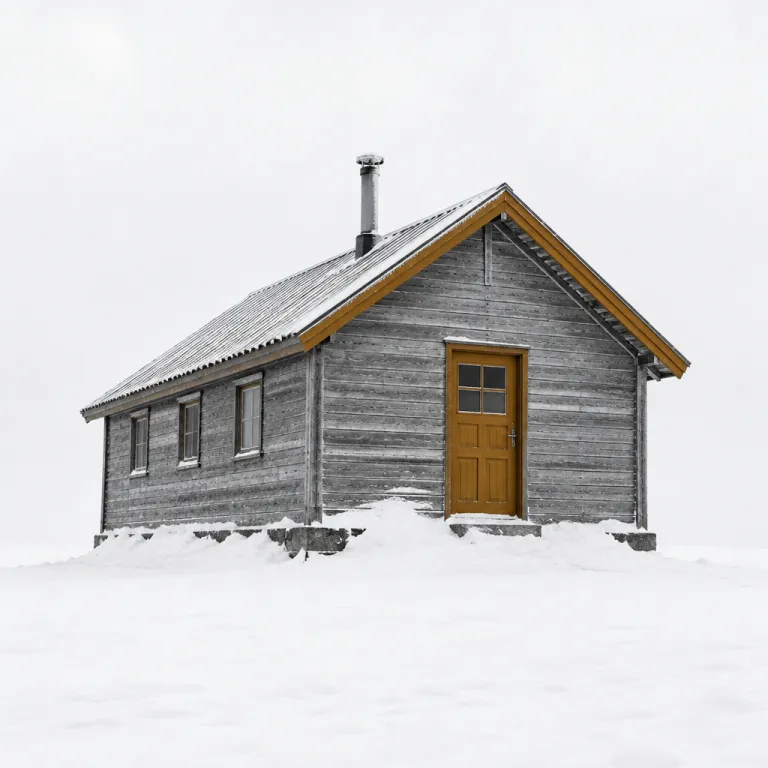
Asahidake’s high mountain lodges and the feel of Hokkaido’s roof
Asahidake is the highest mountain in Hokkaido, and staying here feels like sleeping on the island’s roof. The cluster of simple yet quietly luxurious lodges around Asahidake Onsen forms a compact high altitude village, where every hotel faces the volcanic slopes and the steaming vents of Daisetsuzan National Park. When travelers speak about an asahidake mountain lodge in Hokkaido, they usually mean these properties that sit between the forest line and the bare peak, close enough that you can hear the ropeway cabins passing overhead.
This is not a resort built around nightlife but a mountain hamlet built around silence, hot spring water and the changing season. In clear weather conditions, you step out of your hotel and see the entire Daisetsuzan mountain chain running north to south, with fumaroles puffing from the flanks and snow lingering well into spring. The best asahidake mountain lodge in Hokkaido for you will depend on how much time you want to spend in the onsen, how close you want to be to the Asahidake Ropeway station, and whether you prefer a traditional tatami room or a Western bed after a long day on the trails.
Most guests arrive with a specific purpose, whether that is to photograph the first autumn foliage in Japan or to snowshoe across the plateau in mid October when the upper slopes already hold powder. Because the area sits inside Daisetsuzan National Park, development is tightly controlled and every mountain lodge must work with the landscape rather than against it. That is why the asahidake mountain lodge Hokkaido experience feels so different from larger ski areas in Japan, with fewer buildings, darker skies at night and a stronger sense that the peak is the real star of your stay.
What staying above the treeline really feels like
Spending the night at an alpine lodge on Asahidake means waking to the smell of sulphur and the sound of wind moving across the plateau. Rooms tend to be compact but carefully thought out, with large windows framing the mountain and enough space for your day pack, layers and camera gear. You are here for proximity rather than opulence, because the real luxury is stepping from your hotel to the Asahidake Ropeway in a few minutes and reaching the upper station in about ten minutes of glide time.
From the ropeway top station, a network of boardwalks and trails leads across the Daisetsuzan mountain landscape, where steam vents hiss beside snowfields that can linger until late spring. On a clear day, the view from near the peak stretches across central Hokkaido, and the contrast between the green lower slopes and the bare volcanic summit makes every photo feel cinematic. Many solo travelers plan a round trip from their lodge to the upper plateau and back within a few hours, leaving the afternoon free for an onsen hour in water that rises straight from the mountain.
Because you are inside Daisetsuzan National Park, there is little artificial light and the night sky can be startlingly bright when the weather conditions cooperate. Some guests time their visit for mid October, when the last of the autumn foliage glows around the lower ropeway pylons while the upper slopes already hold frost. If you are combining this stay with other Hokkaido highlights, such as the wetland lodges around Kushiro for a crane pilgrimage, it is worth reading a detailed lodge guide like the Kushiro wetland lodges to book before winter arrives to understand how different each region feels in the same season.
Onsen culture at altitude: hot springs, operating hours and etiquette
The onsen culture at Asahidake is the quiet heart of every stay, and each mountain lodge treats its hot spring baths as a signature feature. Water here is genuinely onsen hot, often emerging from the ground at temperatures that must be cooled before guests can bathe, and the mineral content reflects the volcanic character of the Daisetsuzan mountain range. When you book an asahidake mountain lodge in Hokkaido, check whether the onsen faces the peak, the forest or the ropeway, because that view will shape your evenings.
Most properties in the Asahidake Onsen area post clear operating hours for their baths, with separate onsen hour windows for men and women or alternating schedules, so it is worth confirming the timetable at check in. As a rough guide, many hotel baths open from early morning until around 9:00–10:00 p.m., with cleaning breaks during the day. Some hotels allow non staying visitors to use the onsen for a few hours during the day for a fee in yen, while others keep the baths exclusively for in house guests to preserve a more private atmosphere. The phrase onsen Asahidake usually refers to this whole cluster of hot spring hotels, and many repeat visitors choose their preferred property based on the feel of the baths rather than the room category.
Hotel Bearmonte is one of the better known addresses in the area, located close to the ropeway base station at Asahidake Onsen, Higashikawa, Hokkaido. Its onsen hot spring facilities are often mentioned by travelers who value a balance between comfort and direct access to the mountain. If you are used to large ski hotels such as the all inclusive properties around Tomamu, reading a focused review like refined winter luxury in the heart of Hokkaido can help you recalibrate your expectations for Asahidake, where the emphasis is on nature rather than entertainment. Every hotel here must respect Daisetsuzan National Park regulations, so expect modest scale, quiet evenings and a stronger connection between the onsen water, the mountain and the changing season.
Season by season: hiking, snowshoeing and the first autumn colors in Japan
Choosing the right time to stay at an asahidake mountain lodge in Hokkaido is as important as choosing the right room type. In spring, the lower trails around Asahidake Onsen begin to open while snow still clings to the upper slopes, creating a layered landscape where you can hike through thawing forest and then ride the ropeway to walk beside snowfields. By summer, the boardwalks near the upper station cross alpine meadows and steaming vents, and the longer daylight hours give you more time to explore the Daisetsuzan mountain plateau before returning to your hotel for an evening soak.
Autumn is the headline season here, because Asahidake is one of the first places in Japan where the leaves change color. From late September into early October, the slopes below the peak ignite with bands of red and gold, and photographers plan their day around the best light for each photo, often riding the Asahidake Ropeway multiple times to catch different angles. By mid October, the upper foliage has usually fallen and the first snow may dust the summit, so the contrast between bare branches, white ridges and the dark volcanic rock of Daisetsuzan National Park can be striking.
Winter brings deep snow, quieter trails and a different rhythm, with guests using snowshoes to cross the plateau or simply enjoying the view of the mountain from the onsen. Weather conditions can change quickly, so always check the ropeway operating hours and any wind related closures before planning a long round trip hike from your lodge. As a reference point, the Asahidake Ropeway typically runs from around 6:00–7:00 a.m. to late afternoon, with the exact timetable varying by season and weather. If you are building a longer Hokkaido itinerary that balances mountain time with coastal culture, consider pairing Asahidake with a stay in Otaru’s historic quarter, using a guide such as Otaru beyond the canal to find characterful streets and sushi bars after your days in the highlands.
Getting there, moving around and what level of comfort to expect
Reaching an asahidake mountain lodge in Hokkaido usually starts with a flight to Asahikawa Airport, followed by a transfer by bus or rental car into the Daisetsuzan National Park interior. The drive from Asahikawa city or Asahikawa Station to Asahidake Onsen takes around one and a half hours by car in normal weather conditions, and the road climbs steadily through forest before emerging into the small cluster of hotels near the ropeway station. If you prefer to rely on public transport, check the seasonal bus schedules carefully, because services can be less frequent outside peak hiking season and the last departure of the day may be earlier than you expect.
Once you arrive, you will not need a car to move between your hotel, the Asahidake Ropeway base station and the trailheads, because everything in the village sits within a short walking distance. Most lodges offer half board plans priced in yen, which include dinner and breakfast, and this is usually the most practical option because there are few independent restaurants at this altitude. When budgeting, remember that rural Hokkaido often offers better value than major Japanese cities, so the yen you might spend on a single night in central Tokyo can sometimes cover a more spacious room and full board at a mountain hotel here.
Comfort levels vary from simple mountain inns with shared facilities to more polished properties like Hotel Bearmonte, but even the most refined options retain a practical, outdoors oriented feel. Pack layers for rapid shifts in temperature, sturdy footwear for the Daisetsuzan mountain trails, and a small towel for onsen visits, because some baths charge a modest additional fee in yen for rental towels. Many lodges maintain a minimal online presence, so you will often find the most current impressions through traveler photos and comments on platforms that link out to Facebook, Twitter and similar networks, even though the hotels themselves keep their own websites understated and clearly marked with phrases such as “all rights reserved”.
Practical tips for solo explorers and first time visitors
Solo travelers choosing an asahidake mountain lodge in Hokkaido often appreciate the balance between remoteness and structure that this small village provides. You have the freedom to set your own pace on the mountain, yet the presence of the ropeway, the clear trail signage and the compact cluster of hotels around Asahidake Onsen create a reassuring framework. If you are new to hiking in Japan, starting with half day walks from the upper ropeway station is a sensible way to understand your limits before committing to longer routes across the Daisetsuzan mountain plateau.
Pay close attention to weather conditions, because fog, wind and sudden showers can transform the feel of the peak within minutes, even on an apparently stable day. Ropeway operating hours can shift slightly between season, so confirm the first and last departures when you arrive and plan any round trip hikes with a generous buffer of time. Carry water, snacks, a light insulating layer and a waterproof shell, even in what feels like stable spring weather, because the exposed sections near the summit can feel significantly colder than the village.
Language is rarely a barrier at the main hotels, where staff are used to international guests and can explain onsen etiquette, meal times and transport options clearly. Payment by card is widely accepted, but it is still wise to carry some yen for bus fares, vending machines and small purchases around Asahikawa or at Asahikawa Station before you head into the national park. When you leave, scroll back through your photo roll and you will likely notice the same pattern many guests report from Asahidake: fewer images of the hotel interiors, and many more of the mountain itself, the steam, the shifting clouds and the quiet moments between ropeway rides.
FAQ
How do I get from Asahikawa Airport to Asahidake lodges ?
From Asahikawa Airport, you can either rent a car or take a bus into Asahikawa city and connect to a seasonal bus bound for Asahidake Onsen. The drive by car to your chosen asahidake mountain lodge in Hokkaido usually takes around ninety minutes in normal weather conditions. If you rely on buses, check the latest schedules in advance, because departures can be limited outside the main hiking season.
Which season is best for staying at Asahidake ?
Autumn is the most famous season, because Asahidake is among the first places in Japan to show autumn foliage, often from late September into early October. Summer offers the widest choice of hiking routes on the Daisetsuzan mountain plateau, while spring brings a mix of lingering snow and emerging greenery. Winter stays focus more on snowshoeing, photography and long onsen sessions, with fewer crowds and shorter ropeway operating hours.
Do I need hiking experience to enjoy Asahidake ?
You do not need advanced hiking experience to enjoy the basic boardwalks and short trails near the upper ropeway station. These routes are well marked and many guests at every mountain lodge treat them as relaxed half day walks. For longer traverses across Daisetsuzan National Park, prior mountain experience, proper gear and close attention to weather conditions are strongly recommended.
What should I pack for a stay at an Asahidake mountain lodge ?
Pack layered clothing suitable for rapid temperature changes, including a warm mid layer and a waterproof shell, even in summer. Sturdy footwear with good grip is essential for the trails, and a small backpack for water, snacks and extra clothing will make day hikes more comfortable. Bring a swimsuit only if your hotel specifies that it offers mixed gender or pool style facilities, because traditional onsen baths are usually used without swimwear.
Are the onsen at Asahidake suitable for first timers ?
Yes, the onsen at Asahidake are well suited to first time visitors, and hotel staff are used to explaining etiquette such as washing before entering the bath and keeping towels out of the water. Most properties post clear onsen hour schedules and signage in multiple languages, so it is easy to find the correct changing room and understand the rules. If you feel unsure, choose a lodge with a slightly larger hot spring area, where you can observe other bathers discreetly and follow their lead.