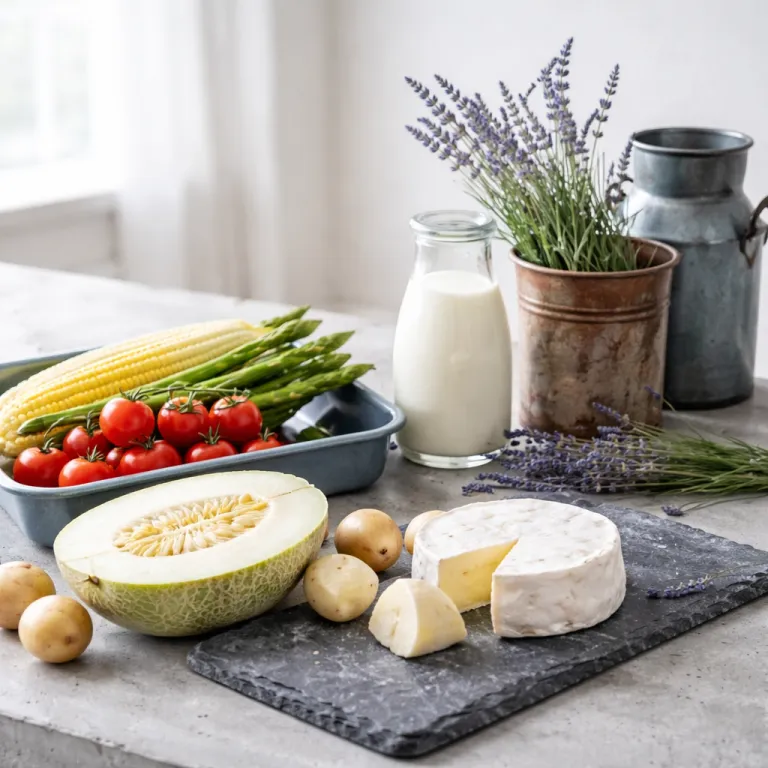
Why furano farm to table dining belongs on every luxury itinerary
Furano sits in the agricultural heart of Hokkaido, yet many luxury travelers still rush between Sapporo and Niseko without stopping. In doing so, they miss how furano farm to table dining has become one of the most quietly radical expressions of Hokkaido Japan hospitality, where chefs build menus around what came out of the soil that morning and what the nearby dairy can spare that afternoon. For couples planning a refined escape in Hokkaido Japan, this is where the food finally tastes like the landscape you have been staring at all day.
Think of this central Hokkaido town as the point where volcanic soil, cold winters and dramatic day–night temperature swings collide to shape flavor. Those swings push sugars into fresh vegetables and even into the famous Furano melon, while the same climate gives Hokkaido milk and locally produced milk their depth and makes every spoonful of ice cream feel denser and silkier. When a chef in restaurants Furano talks about seasonal cuisine, they are not reciting a trend; they are describing what the fields, cows and nearby rivers allowed them to serve that day.
Luxury hotels in Hokkaido Furano have started to understand that their competitive edge is no longer marble lobbies but proximity to the farms. The most interesting properties now design packages around furano farm to table dining, pairing multi-course menus with guided visits to a cheese factory, a working vegetable farm or even a small winery in the area. As one concierge explained, “Our guests don’t just want to see the fields from the train window anymore—they want to meet the people who grow their dinner.” For couples, that means your rail pass and room key become tools for tasting Hokkaido Japan through its food rather than just tickets between famous sightseeing spots.
Arriving at Furano Station, you feel the shift immediately as the train doors open onto air that smells faintly of soil and grass. From here, map details matter: the most rewarding restaurants sit just beyond the town grid, tucked between fields that glow green in early summer and white in deep winter. A short taxi ride places you in front of low-slung farmhouses where the only signage might be a hand-painted board, yet inside you find some of the most precise cuisine in all of Hokkaido.
For travelers used to the polished theater of Sapporo dining rooms, Furano’s restraint can feel almost monastic. There is no long list of popular dishes, no laminated menu of curry variations or elaborate fresh seafood platters designed for social media. Instead, you are handed a short list that changes daily, often with only two or three options built around fresh vegetables, Hokkaido milk, Furano cheese and whatever the chef pulled from the ground or the oven an hour earlier.
This is where the concept of farm to table stops being a slogan and becomes logistics. Café Goryo, a vegetarian café in the Furano area, grows much of its own produce and serves a rotating selection of dishes that respond to the weather as much as the calendar. Taberasaru Furano, the winery café attached to Domaine Raison, leans into Dutch oven roast pork and seasonal sides, while Le Gaulois Furano offers farm to table dining with Hokkaido’s seasonal ingredients in a forest setting that feels purpose-built for slow lunches. For all three, reservations are recommended, especially during the popular lavender season when every table with a view of the flowers is in demand; expect to spend roughly ¥1,500–¥3,500 per person for lunch and more for dinner, depending on the course you choose. Specific opening hours and operating dates can change, so confirm the latest details through official channels or your hotel before you travel.
From Sapporo soup curry to Furano fields: how Hokkaido’s ingredients really taste
Most travelers meet Hokkaido through Sapporo, usually over a bowl of soup curry or a plate of grilled Genghis Khan lamb. That city is a superb starting point for understanding Hokkaido food, and a detailed guide such as this food lover’s roadmap to Sapporo will help you navigate the best restaurants and izakaya. Yet to grasp why furano farm to table dining feels so different, you need to leave the neon and follow the rail pass inland toward the Tokachi plain and the Furano Biei corridor.
The Tokachi plain is where Hokkaido Japan grows much of its wheat, potatoes, beans and dairy at a scale that surprises even seasoned travelers. Those fields, along with the patchwork hills around Biei and Shikisai no Oka, form the pantry for Furano food, from the flour in your breakfast bread to the cream in your ice cream and the milk in your cappuccino. When chefs in restaurants Furano talk about using local ingredients, they often mean within a 20 kilometre radius, not a vague regional label.
Climate is the quiet architect of this cuisine. Hokkaido’s cold winters and cool summers slow plant growth, while the volcanic soil around Furano Hokkaido and Biei locks in minerals that translate into sweetness and intensity on the plate. That is why a simple plate of grilled fresh vegetables, brushed with Furano milk butter and sprinkled with sea salt, can hold its own against more elaborate dishes built around fresh seafood from the coasts of Hokkaido Japan.
Yubari, southeast of Sapporo, offers the most extreme example of how seriously Japan takes agricultural perfection. Here, a single Yubari melon can sell for thousands of dollars at auction, a headline that often shocks visitors but makes sense once you taste the fruit and understand the cultural value placed on flawless food. In Furano, that same obsession with quality appears in more approachable ways, from the careful grading of Furano cheese to the way a small cheese factory will limit daily production rather than compromise texture; local tourism materials often highlight these practices as a point of regional pride.
For couples planning a romantic day trip, the Furano Biei area rewards slow travel. Start with the lavender fields at Farm Tomita, where the scent of Furano lavender hangs in the air and the rows of flowers create the postcard image that made this region famous. Then step away from the crowds, using map details from your hotel concierge to reach a quieter spot for lunch where the menu might feature a single curry made with local potatoes, carrots and onions, alongside a salad of just-picked greens.
In this context, furano farm to table dining is less about theatrical plating and more about restraint. A plate of pasta at Le Gaulois Furano might carry only three or four elements, yet each one speaks clearly of Hokkaido Furano, from the flour milled nearby to the cream made from Hokkaido milk and the vegetables harvested that morning. When you have eaten your way through Sapporo’s rich curry houses and izakaya, this kind of clarity feels almost cleansing, a reset that prepares you for the next stage of your Hokkaido journey; budget around ¥2,000–¥5,000 per person for a leisurely lunch in this style.
How luxury hotels in Furano turn fields into fine dining
The most interesting luxury properties in Furano are no longer content to outsource their identity to anonymous restaurants. Instead, they are building culinary programs that treat furano farm to table dining as the core of the guest experience, not a side benefit. For couples choosing between a city suite in Sapporo and a hillside room in Furano Hokkaido, the question becomes simple: where will the food feel most connected to the view from your window.
Some of the smartest hoteliers in Hokkaido now design stays around a tight radius of producers. A property might commit to sourcing all dairy from within 20 kilometres, working with a specific cheese factory for Furano cheese, a single farm for fresh vegetables and a nearby creamery for both Hokkaido milk and richer Furano milk. That proximity allows chefs to adjust menus daily, turning a surplus of spinach into a velouté one day and a bright pasta sauce the next, while a sudden delivery of fresh seafood from the coast might appear as a single, unadorned course.
This hyper-local approach mirrors what is happening in other parts of Hokkaido’s luxury scene. In Niseko, for example, properties such as Hirafutei focus on pairing onsen culture with thoughtful dining, as explored in this review of an elegant stay in Niseko’s hot spring heart. In Sapporo, urban retreats like Onsen Ryokan Yuen Sapporo, profiled in an article on refined relaxation with authentic Japanese hospitality, show how city hotels can still feel rooted in Hokkaido’s seasons.
Furano’s advantage lies in its immediate access to fields and farmers. Properties partnering with Café Goryo, Taberasaru Furano or Le Gaulois Furano can offer guests priority reservations, transfers and even pre-dinner walks through the surrounding area to see where the vegetables and herbs are grown. When a hotel concierge hands you map details that include not just restaurants Furano but also the greenhouses, orchards and small vineyards that feed them, you understand that this is not a generic food program but a living network.
For couples, this translates into evenings that feel both luxurious and quietly intimate. You might spend the day walking among the flowers at Shikisai no Oka, riding a local bus past the patchwork fields of Biei, or using a rail pass to hop between Furano Station and nearby viewpoints, then return to a dining room where the menu reads like a diary of your route. A starter of grilled asparagus echoes the fields you crossed, a main of pork braised in Hokkaido milk recalls the dairy farms you glimpsed from the train and a dessert of lavender ice cream nods to the Furano lavender that scented the air all afternoon.
Strong properties also understand that luxury travelers expect flexibility. Many now coordinate directly with restaurants in the Furano Biei corridor to accommodate dietary preferences, from vegetarian menus at Café Goryo to lighter courses built around fresh vegetables and Furano cheese rather than heavier curry or meat dishes. As one local chef put it, “If a couple tells us they want to taste the region without feeling too full, we simply serve fewer ingredients—but each one has to be perfect.” The result is a style of furano farm to table dining that feels tailored rather than prescriptive, allowing you to move between tasting menus, casual lunches and wine-focused evenings without ever leaving the orbit of local producers; hotel concierges can usually provide up-to-date reservation contacts and sample menus on request.
Planning a Furano farm to table stay: practical guidance for discerning couples
Thoughtful planning turns a good Furano trip into a quietly exceptional one. Start by anchoring your itinerary around the seasons, because furano farm to table dining is only as compelling as the produce on the plate. Lavender season brings crowds to Farm Tomita and the surrounding lavender fields, while shoulder months reward those who care more about food than flowers with calmer restaurants and more time to talk with chefs.
Transport shapes your options more than many visitors expect. A Hokkaido rail pass makes it easy to move between Sapporo, Furano Station and Biei, but the most interesting restaurants often sit beyond walking distance, so budget for taxis or private transfers arranged through your hotel. When you book, ask the concierge for precise map details and to secure reservations at Café Goryo, Taberasaru Furano or Le Gaulois Furano, because these small dining rooms can fill quickly during popular weekends.
Day planning should balance sightseeing with appetite. Spend a morning at Farm Tomita or another famous lavender spot, then leave the busiest paths and follow a quieter road toward a café or farmhouse restaurant that works closely with local farmers. In the afternoon, visit a cheese factory to understand how Furano cheese and Hokkaido milk become the foundations of so many menus, or stop at a small dairy where you can taste Furano milk and ice cream made only hours earlier.
Couples who care deeply about food should not be shy about asking for details. When you sit down in restaurants Furano, ask which farms supplied the fresh vegetables, which creamery produced the butter and whether any fresh seafood on the menu came from specific coasts of Hokkaido Japan. Many chefs are proud to explain their relationships with producers, and those conversations often lead to spontaneous detours the next day.
For travelers new to the concept, one answer from the local tourism board remains useful: “What is farm-to-table dining?” “Dining that emphasizes locally sourced, fresh ingredients.” “Are reservations required?” “Recommended, especially during peak seasons.” “Do these restaurants accommodate dietary restrictions?” “Many offer vegetarian options; inquire directly for specifics.” These lines may sound simple, yet they capture the operational reality behind the romance of eating in the middle of the Furano Biei landscape.
Ultimately, the luxury of Furano lies not in excess but in precision. A plate of just-picked salad leaves, a bowl of vegetable-forward curry, a slice of cheesecake made with Furano milk and served after a day among the flowers can feel more indulgent than any crowded buffet in a famous resort. Plan with intention, choose hotels that treat furano farm to table dining as a philosophy rather than a marketing line and you will leave Hokkaido Furano with memories that taste as vivid as the views.
Key figures behind Furano’s farm to table movement
- The Furano Tourism Association notes that only a small cluster of dedicated farm to table restaurants currently operates in Furano, a number that underscores how intimate and reservation-driven the local dining scene remains; always confirm the latest list with official visitor information before you travel.
- Café Goryo typically operates from late morning to early evening and closes one day per week; exact hours and seasonal closures vary, so checking the café’s latest schedule via its official channels or through your hotel is essential if you are planning a special meal around its garden produce.
- Taberasaru Furano’s collaboration with winery Domaine Raison illustrates how Hokkaido’s emerging wine scene is integrating with food culture, pairing seasonal menus with local vintages rather than importing bottles from other regions of Japan; recent tourism brochures often highlight this as a model for rural wine-country dining.
- According to statistics published by Japan’s Ministry of Agriculture, Forestry and Fisheries, Hokkaido consistently produces a substantial share of the nation’s raw milk—commonly described as around half of Japan’s total output—and Furano’s contribution to that Hokkaido milk supply underpins the region’s reputation for Furano cheese, ice cream and dairy-focused desserts.
- Growing interest in sustainable dining and agritourism in Hokkaido has led to increased demand for local cuisine experiences, with Furano and the wider Furano Biei area positioned as key destinations for travelers seeking direct connections between fields, farmers and plates; regional tourism reports frequently frame this as a long-term trend rather than a passing fad.