Hokkaido ski resorts for luxury seekers on Japan’s northern island
Hokkaido sits at the northern edge of Japan and receives some of the most reliable powder on the planet. This island combines world class ski resorts with refined hospitality, making it ideal for a premium ski trip focused on comfort and service. For travelers used to the United States or Europe, the blend of Japanese precision and international standards feels both reassuring and quietly exciting.
The climate in Hokkaido Japan produces light, dry snow that falls consistently through winter, creating deep powder conditions that advanced guests prize. Average annual snowfall at major ski areas reaches around 10 meters, which allows resort Hokkaido operators to maintain long seasons and beautifully groomed terrain.3 When you plan on skiing Hokkaido, you benefit from both natural snowfall and advanced snowmaking technologies that protect your ski trip from marginal weather.
Luxury focused travelers often ask which are the best Hokkaido ski resorts for service, privacy, and ease of access. Niseko United, Rusutsu Resort, Furano Ski Resort, Kiroro Snow World, and Sapporo Teine stand out as the most internationally recognized names. Each ski resort offers its own balance of lifts, terrain, and atmosphere, so choosing the right one depends on whether you prioritize deep backcountry lines, ski in ski out suites, or proximity to Sapporo city nightlife.
Niseko United and neighboring mountains for powder, privacy, and design
Niseko has become the flagship name for skiing Hokkaido, especially among English speaking travelers. The Niseko United ski area links four resorts — Grand Hirafu, Hanazono, Niseko Village, and Annupuri — with a modern network of lifts and gondolas. This resort central layout allows discerning guests to move easily between slopes, restaurants, and high end accommodations without sacrificing comfort.
On storm days, the combination of cold temperatures and maritime weather systems produces exceptionally deep powder across the Niseko ski areas. Many upscale hotels here offer private guiding into controlled backcountry zones, where guests can enjoy untracked snow while remaining within resort Hokkaido safety protocols. For those who prefer groomed terrain, the front side runs of each ski resort provide long, flowing pistes ideal for intermediate skiing and relaxed cruising.
Nearby, Niseko Moiwa appeals to travelers who value seclusion and a quieter ski trip experience. The smaller ski area and slower pace suit couples or families who want attentive service and minimal lift lines during peak snow forecast periods. One local guide based in Kutchan explained that “on a midweek powder day at Moiwa, you still find fresh tracks at lunchtime,” capturing the relaxed rhythm of this mountain. When planning a Japan ski itinerary that combines Niseko United with Niseko Moiwa, consider splitting nights between a slopeside luxury property and a more intimate mountain hideaway to experience both atmospheres.
Central Hokkaido: Furano, Tomamu, and refined resort experiences
Central Hokkaido offers a different rhythm from Niseko, with colder inland air and often clearer skies between storms. Furano Ski Resort is renowned for its balanced terrain, combining long groomers, tree skiing, and access to controlled off piste zones. Many high end and boutique hotels here emphasize views over the valley, so you wake to soft morning light on the surrounding mountains before heading to the lifts.
Furano ski conditions often feel slightly drier than coastal resorts, which enhances the quality of deep powder on colder days. Upscale properties in this region tend to integrate Japanese design elements such as natural wood, on site hot springs, and understated service that anticipates needs without intrusion. When you design a ski trip that includes central Hokkaido, you can also add a night or two at Tomamu, a mountain resort that has built a reputation for year round experiences, as detailed in this guide to Tomamu in summer and its evolving mountain resort concept.
For guests arriving from the United States or other long haul markets, the transfer from the international airport at New Chitose to central Hokkaido resorts is straightforward by private car or scheduled coach. As a concrete example, a private transfer from New Chitose to Furano typically takes around three hours in winter conditions, while scheduled coaches to Tomamu often run closer to two hours, with pricing that usually starts in the mid range compared with European Alps transfers. Many high end hotels coordinate door to door transport, ski rental delivery, and advance restaurant reservations in English to reduce friction after a long flight. This level of planning support is particularly valuable when traveling with family or a larger group that expects seamless logistics from airport arrival to the first turns on snow.
Sapporo Teine and city based luxury stays around Sapporo
Some travelers prefer to base themselves in Sapporo, combining urban comforts with quick access to the mountains. Sapporo Teine sits just outside the city and offers steep slopes, night skiing, and panoramic views over the bay, making it a strong option for shorter ski trips. Because you can reach this ski area in under an hour from central Sapporo, it works well for guests who want both skiing and sophisticated city dining.
Luxury and premium hotels in Sapporo provide spacious rooms by Japanese city standards, refined breakfast spreads, and concierge teams comfortable operating in English. When choosing where to stay, it helps to understand the character of each neighborhood, and this detailed neighborhood guide to where to stay in Sapporo is a valuable planning tool. From a ski perspective, staying near major transport hubs simplifies access not only to Sapporo Teine but also to other nearby ski areas reachable by train or private transfer.
For guests who split time between Sapporo and other Hokkaido ski resorts, it is wise to structure the itinerary around snow forecast patterns. A practical five day plan might start with two nights in Sapporo, skiing Sapporo Teine and enjoying the city’s restaurants, followed by three nights in Niseko United or Furano Ski Resort when a new storm cycle brings deep powder to the island. This flexible approach allows you to enjoy both urban comforts and the best skiing conditions without constant packing and unpacking.
Backcountry, guided experiences, and safety in Hokkaido’s deep snow
Hokkaido’s reputation for deep powder has fueled rapid growth in guided backcountry experiences around major resorts. Areas near Niseko, Furano, and Kiroro offer lift assisted access to sidecountry terrain, where guests can enjoy untracked snow with shorter hikes. For travelers seeking a more exclusive experience, the most comfortable option is often a private guide who manages route choice, safety equipment, and communication in English.
When skiing Hokkaido beyond the marked ski areas, avalanche awareness and local knowledge are essential, even when starting from resort Hokkaido lift systems. Many high end hotels partner with qualified guiding companies that provide safety briefings, transceivers, and small group ratios to maintain a high standard of care. This structure allows guests to experience the best deep powder lines while respecting both mountain hazards and local regulations.
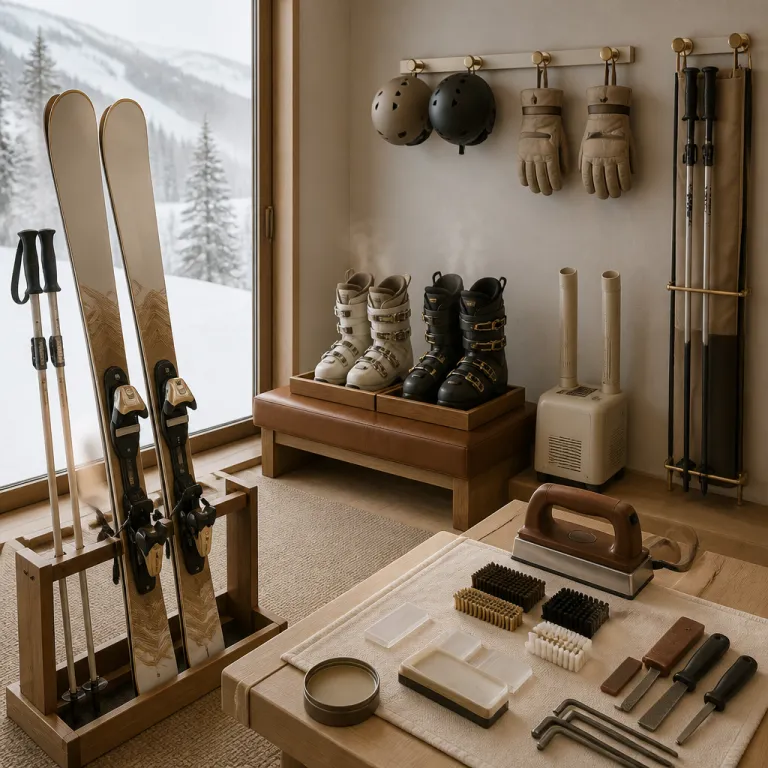
Cold temperatures on the island help preserve snow quality in the backcountry, but they also demand proper layering and equipment choices. Luxury properties often offer drying rooms, boot heaters, and concierge assistance with technical rentals, which makes consecutive days of backcountry skiing more comfortable. If you are planning a ski trip that mixes resort laps with guided touring, schedule rest days for spa treatments or gentle snowshoeing to balance exertion and recovery.
Onsen culture, après ski, and wellness focused stays
One of the defining pleasures of Hokkaido ski resorts is the integration of onsen culture into daily routines. After hours on the lifts, soaking in a steaming hot spring while snow falls quietly around you becomes a highlight of the trip. Many luxury hotels feature both indoor and open air baths, often separated by gender in traditional Japanese style, with meticulous attention to water quality and atmosphere.
Wellness focused properties across Hokkaido Japan increasingly combine onsen facilities with spa menus, yoga spaces, and nutrition conscious dining. This approach appeals to guests who view a ski resort stay as a holistic retreat rather than only a sports holiday. For a deeper understanding of high end hot spring experiences across the island, consult this refined guide to luxury onsen escapes in Hokkaido, which pairs well with planning a premium ski itinerary.
Après ski in Hokkaido tends to be more understated than in some European or United States destinations, focusing on intimate bars, chef driven restaurants, and quiet lounges. In Niseko and Rusutsu Resort, you will find a growing number of international venues, while Furano and central Hokkaido areas lean more toward Japanese izakaya and local specialties. This balance allows guests to choose between familiar comforts and more immersive cultural experiences each evening of their ski trip.
Planning a premium ski trip: logistics, language, and booking strategy
Reaching Hokkaido for a ski trip usually involves flying into the international airport at New Chitose near Sapporo. From there, private transfers, scheduled coaches, and rail connections link you efficiently to major ski resorts such as Niseko United, Rusutsu Resort, Furano Ski Resort, Kiroro Snow World, and Sapporo Teine. Luxury booking platforms focused on Hokkaido ski resorts often coordinate these elements into a single itinerary, reducing the need for separate arrangements.
For English speaking travelers, one of the advantages of the leading Hokkaido ski resorts is the availability of multilingual staff, signage, and ski schools. According to the regional tourism information used for this article, “Do Hokkaido ski resorts offer lessons for beginners? Yes, most resorts provide lessons for all skill levels,” and this is reflected in the services at major destinations. This level of support extends to equipment rental, childcare, and restaurant reservations, which makes the experience smoother for guests who do not speak Japanese.
When comparing options across the island, consider how each ski area aligns with your priorities for terrain, snow reliability, and non skiing activities. Niseko United is better for those who want extensive lifts, varied terrain, and a lively international scene, while Furano and central Hokkaido excel at quieter stays with strong cultural immersion. Booking early for peak January and February dates is essential, especially if you seek the best suites or chalets positioned directly on the slopes with immediate access to deep powder each morning.
Key figures on Hokkaido ski resorts and luxury travel
- Hokkaido hosts around 113 ski resorts across the island, giving travelers a wide choice of ski areas from large international hubs to smaller local hills (data referenced from skiresort.info, Hokkaido region overview page on ski areas).1
- The total length of ski slopes in Hokkaido reaches approximately 483 kilometers, which allows guests to design multi resort itineraries without repeating the same terrain every day (data referenced from skiresort.info, Hokkaido region overview page on slope length).1
- Average annual snowfall at major Hokkaido ski resorts is close to 10 meters, creating reliable deep powder conditions that underpin the region’s global reputation for skiing (data referenced from Visit Hokkaido winter sports information page on snowfall and snow quality).3
- The main winter season typically runs from December to April, with January and February offering peak snowfall and the most consistent cold temperatures for high quality snow (timeline referenced from regional tourism data and official Hokkaido winter promotion materials).2
- International visitation to Hokkaido has increased significantly in recent years, encouraging the development of new luxury accommodations and expanded backcountry offerings around leading resort Hokkaido destinations (trend referenced from local tourism reports and Hokkaido visitor statistics).2
Frequently asked questions about Hokkaido ski resorts
What is the best time to ski in Hokkaido for luxury travelers ?
For premium guests seeking the best combination of deep powder and full resort services, January and February are the prime months. Snowfall is heaviest, temperatures remain consistently low, and all lifts, restaurants, and ancillary services operate at full capacity. Those who prefer quieter slopes and slightly softer conditions may enjoy March, when the atmosphere relaxes but snow coverage remains strong at higher elevations.
Are there ski resorts near Sapporo suitable for upscale stays ?
Yes, Sapporo Teine and nearby Sapporo Kokusai provide easy access from the city while still offering varied terrain and reliable snow. Many luxury and premium hotels in central Sapporo cater to skiers with early breakfast options, gear storage, and concierge arranged transfers to these ski areas. This setup works particularly well for shorter trips or for travelers who want to combine urban exploration with one or two focused days of skiing.
Do Hokkaido ski resorts offer lessons and services in English ?
Most major Hokkaido ski resorts, including Niseko United, Rusutsu Resort, Furano Ski Resort, and Kiroro Snow World, provide ski and snowboard lessons in English. Rental shops, ticket counters, and many restaurants in these destinations also employ English speaking staff, which simplifies daily logistics. Smaller local hills may have more limited language support, so luxury travelers often prefer the larger resorts where communication is easier.
How far are the main Hokkaido ski resorts from the international airport ?
New Chitose International Airport serves as the primary gateway for Hokkaido Japan, and transfer times vary by resort. Niseko United and Rusutsu Resort typically require around two to three hours by private car or coach, while Furano and central Hokkaido destinations can take slightly longer depending on road conditions. Sapporo Teine is closer, often reachable in under an hour from central Sapporo after a short train or car ride from the airport.
Is backcountry skiing in Hokkaido suitable for first time powder travelers ?
Hokkaido’s deep powder and accessible sidecountry can be enjoyable even for guests new to off piste skiing, provided they hire qualified guides and choose appropriate terrain. Many guiding companies based in Niseko, Furano, and other resort Hokkaido hubs specialize in introductory backcountry experiences with clear safety briefings and conservative route choices. Luxury hotels often work with these partners to tailor outings to each guest’s ability level, ensuring both excitement and security.
- Hokkaido ski resorts and total slope length data: skiresort.info, Hokkaido region overview. ↩ ↩
- Season dates and tourism trends: regional Hokkaido tourism statistics and winter promotion materials. ↩ ↩
- Average snowfall figures for major Hokkaido ski areas: Visit Hokkaido winter sports information. ↩ ↩