Sapporo night dining guide for luxury hotel guests
Sapporo after dark feels made for unhurried hotel guests who care about where their dinner comes from and how the night ends. This Sapporo night dining guide is written for people staying in premium properties across Hokkaido Sapporo who want a clear plan between sunset and the last train or taxi. From Susukino’s neon lanes to quiet corners near Sapporo Station, the focus is on experiences that match the standards of luxury hotels while still feeling unmistakably Japanese and local.
Most international visitors arrive via New Chitose Airport, then ride the rapid train into Sapporo Station, so we structure this guide around easy routes from major stations and key hotel clusters. English menus are increasingly common in central Sapporo Hokkaido, but you should still expect handwritten Japanese boards, especially in the best restaurants that locals love after work. One concierge at a five-star property in Chuo ward described their role as “curating the night as carefully as the ski transfers,” reflecting how late dining, from ramen and soup curry to night parfaits, has become a reason to stay an extra day.
Luxury and premium hotels in Hokkaido Sapporo understand that families and couples want more than a generic dinner buffet. Many now partner with nearby izakaya, ramen counters, and dessert bars, arranging priority seating or calling ahead so staff can prepare English explanations of the menu and address any dietary needs. When you book through a specialist platform like stay-in-hokkaido.com, you can align your room choice with the kind of evening you want, whether that means walking distance to Susukino’s Ramen Yokocho or a quick Sapporo streetcar hop to a quiet Genghis Khan lamb hall.
Night parfaits and how to plan your “shime” from your hotel
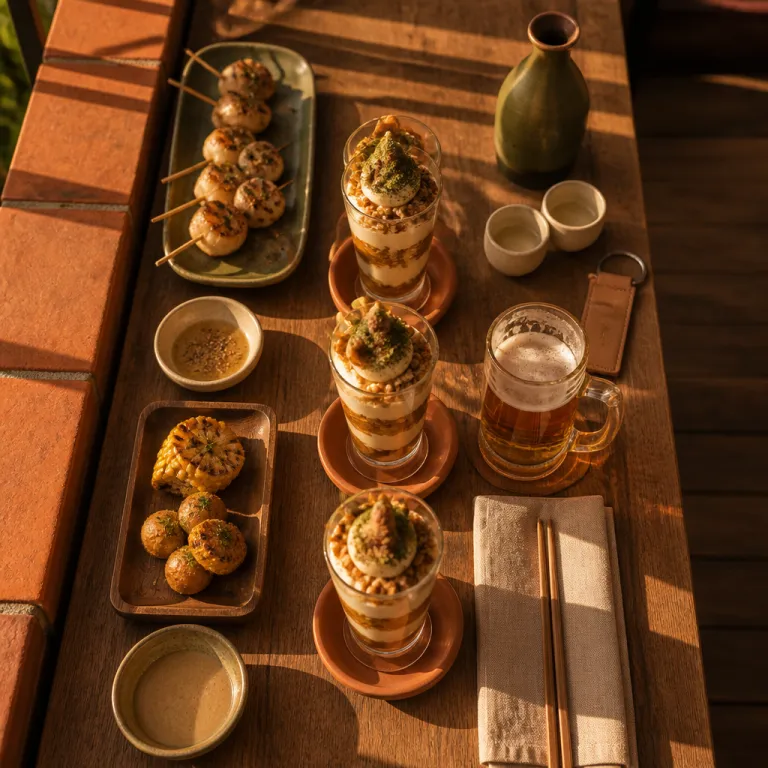
In Sapporo, the night rarely ends with coffee; it ends with a towering parfait. The local ritual is called “shime parfait” and it has reshaped how visitors think about late-night dining in the city, especially travelers who once stopped at ramen only. A shime parfait is not just any dessert but, as local tourism material explains, “a dessert eaten after drinking, popular in Sapporo.”
Three names matter for luxury travelers planning from their hotel room in Chuo ward or near Odori Park. Parfaiteria PaL, Parfaiteria MiL, and Parfait, Coffee, Liquor, Sato each treat parfaits as architecture, layering Hokkaido ice cream, seasonal fruit, and delicate textures in tall glasses that photograph beautifully yet taste even better. Parfaiteria PaL Sapporo, for example, sits on the 6th floor of the Minami 4-jo Nishi 2-chome building in Susukino (Minami 4-jo Nishi 2-10-1, Chuo-ku), within easy reach of Susukino and Nishi yon chome tram stops, so you can step out from a five-star lobby, ride the Sapporo streetcar, and be seated under soft lighting within fifteen minutes.
Most night parfait shops keep late-night hours, often until 1 or 2 AM, which suits people arriving on evening flights into Chitose Airport who still want a gentle first taste of Hokkaido Japanese hospitality. You rarely need reservations, though local guidance notes that you should “generally expect potential waits,” so ask your hotel staff to call ahead and confirm the current queue. Families with older children often schedule dinner near Sapporo Station, then walk or take a short taxi to a parfait bar where the adults pair parfaits with liquor while teenagers focus on soft serve, sorbet, and elaborate ice cream constructions.
For a deeper background on how these desserts fit into the broader food culture, read this food lover’s roadmap to Sapporo before you travel. It will help you understand why night parfaits sit alongside soup curry, Sapporo ramen, and Genghis Khan lamb as essential late-night experiences. Then, when you stand in line at Parfaiteria PaL after a long day on the slopes or exploring Nijo Market, you will know exactly why the wait is worth it.
Standing bars, Susukino lanes, and pairing drinks with late night bites
Susukino is the heart of Sapporo after dark, a dense grid where standing bars, ramen counters, and izakaya stack above each other in narrow buildings. Luxury hotel guests in Minami and Chuo wards can usually walk to this district, while those staying closer to Sapporo Station or Odori Park can ride one stop on the subway or hop a quick taxi. The key is to think of the evening as a progression: a first drink at a standing bar, a shared plate of zangi or Genghis Khan lamb, then either ramen or a night parfait.
Standing bars in Japan are compact spaces where people drink while standing at a counter, which keeps the atmosphere casual yet focused on what is in the glass. In Susukino, many of these bars now offer English-friendly menus, though the best experiences still come when you let the staff suggest a local gin, Hokkaido whisky, or seasonal highball. Because the average closing time of standing bars is around 2 AM according to city nightlife guides, you can comfortably enjoy a late-night drink after dinner without rushing back to your hotel.
Families or groups staying in premium hotels should ask the concierge to map a route that balances atmosphere and safety, especially if you are new to Japan and traveling with teenagers. One smart pattern is to start near Nishi chome or Odori Park, enjoy an early dinner at one of the best restaurants for Hokkaido Japanese seafood, then move gradually toward Susukino as the neon brightens. If you are visiting in beer garden season, this field guide to Sapporo’s beer gardens pairs well with this evening dining overview, helping you decide whether to spend your night under the trees or under bar lights.
Ramen, soup curry, and how to navigate Sapporo’s hot comfort dishes
No Sapporo night dining guide is complete without a clear plan for ramen and soup curry, because these are the dishes that warm you after a cold walk back from Susukino. Sapporo ramen is famous for its miso ramen style, a hot, rich broth topped with corn, butter, and thick noodles that feel perfect after a day in the snow. You will see the phrase “Ramen Yokocho” on maps and signs, referring to the narrow Ramen Alley in Susukino where several shops line a single lane.
Ramen Yokocho is atmospheric and convenient, especially if your hotel is nearby, but locals often steer people toward quieter counters scattered around Chuo and Minami wards. Many of these smaller shops sit on upper floors or down side streets, so ask your concierge to write the address in Japanese and English, then show it to taxi drivers or follow it on your phone. Some shops close by midnight, while others stay open late night, so timing matters if you plan to eat after a standing bar or parfait.
Soup curry is a different creature from standard Japanese curry, and Sapporo Hokkaido treats it almost like a religion. Instead of a thick roux, you get a spiced soup base with vegetables and meat, often served in deep bowls with rice on the side, and you choose your spice level from mild to very hot. Families appreciate soup curry because the menu usually offers gentle options for children alongside fiery bowls for adults, and some places such as local “curry king” style shops near Sapporo Station or Nishi chome have English explanations so everyone can order confidently.
Genghis Khan lamb, zangi, and shared plates for families
For many travelers, the most memorable entry in their personal Sapporo night dining guide is the first time they sit around a dome-shaped grill for Genghis Khan lamb. This Hokkaido specialty involves thin slices of lamb cooked at the table, often with vegetables arranged around the edge so the meat juices drip down and flavor everything. Long-running spots in Susukino, including the famous Daruma chain, are noisy, smoky, and deeply local, which makes them ideal for people who want a Japanese experience that feels nothing like a hotel restaurant.
Premium family travelers should know that these halls can be intense for very young children, because the grills are hot and the air thick with smoke. Older kids, however, tend to love the interactive cooking and the sense of occasion, especially when the staff show them how to flip the lamb and manage the heat. Daruma’s flagship branch near Susukino Station (Minami 5-jo Nishi 4-1, Chuo-ku) typically opens from late afternoon until around midnight, so ask your concierge to reserve an early dinner slot, when the room is slightly calmer, and to note any allergies or preferences in Japanese so the team on site can prepare.
Zangi, Hokkaido’s take on fried chicken, is another essential shared plate that appears on many izakaya menus across Chuo and Minami wards. Marinated in ginger and soy, then fried until crisp, it pairs well with local beer and with the lighter drinks you will find in standing bars, making it a flexible option in any Sapporo night dining guide. When you combine Genghis Khan lamb, zangi, and perhaps a small bowl of soup curry or Japanese curry rice, you have a dinner that feels both rooted in Hokkaido Japanese tradition and easy for families used to Western comfort food.
Planning from your luxury hotel: routes, timing, and family friendly choices
Where you stay in Hokkaido Sapporo shapes how you use this Sapporo night dining guide, because distance and transport options matter after a long day. Hotels near Sapporo Station offer fast access to both the airport train and the subway lines that run to Susukino, Odori Park, and Nishi chome. Properties closer to Odori Park or in central Chuo ward put you within walking distance of many best restaurants, night parfait bars, and ramen counters, which is ideal for families who prefer to avoid late-night trains.
If you are combining Sapporo with ski time in Niseko or other Hokkaido resorts, consider reading this review of Muwa Niseko luxury accommodation to understand how city and mountain stays can complement each other. Many travelers now fly into Chitose Airport, spend a night or two near Sapporo Station for ramen and night parfaits, then transfer to the slopes, returning to Sapporo Hokkaido at the end for one more late-night circuit. This pattern works especially well for premium families, because it breaks up travel days and gives everyone time to adjust to Japan before heading into deeper snow country.
When planning each evening, think in segments of ninety minutes: one for dinner, one for drinks or Genghis Khan lamb, and one for dessert or a final walk through Susukino. Ask your hotel staff to write down the Japanese address of each stop, including the chome (block number), so taxi drivers can find small alleys and upper-floor bars without confusion. If you prefer to ride the Sapporo streetcar, note that stops such as Nishi yon chome and Susukino connect many of the places mentioned in this Sapporo night dining guide, making it easy to move between ramen, soup curry, and night parfaits even on a cold, snowy night.
From markets to midnight: extending your day into Sapporo’s night
A strong Sapporo night dining guide starts in the morning, because what you eat during the day shapes what you crave after dark. Many luxury travelers begin at Nijo Market, where stalls sell fresh seafood bowls and grilled scallops, then stroll toward Odori Park for coffee and a view of the Sapporo TV Tower. If you have a heavy seafood lunch, you may prefer a lighter dinner of soup curry or Japanese curry, leaving room for a night parfait or soft serve later.
Families staying several nights in Hokkaido Sapporo often alternate rich evenings with gentler ones. One day might feature a full Genghis Khan lamb dinner in Susukino, followed by ice cream or soft serve at a night parfait bar; the next might be a simple miso ramen near Sapporo Station and an early return to the hotel spa. This rhythm keeps everyone comfortable and allows children to experience both the energy of late-night Susukino and the calm of quieter neighborhoods in Chuo and Minami wards.
Because Sapporo is compact, you can cross town quickly by subway or Sapporo streetcar, which means you never need to feel locked into the restaurants closest to your hotel. Use this Sapporo night dining guide as a framework, then let the weather, your energy, and your children’s mood decide whether you head for Ramen Yokocho, a hidden soup curry shop, or one of the twenty or so night parfait specialists scattered around the city. With the right planning, every evening in Sapporo Hokkaido becomes a gentle arc from market to station to Susukino, ending with a parfait spoon tapping the bottom of a tall glass while the city glows outside.
Key figures that shape Sapporo’s after dark dining
- Sapporo currently hosts around 20 dedicated night parfait shops, according to local tourism data, which means you can reasonably include at least one “shime parfait” stop in any multi-night stay.[1]
- Standing bars in central Sapporo typically close around 2 AM, as reported by city nightlife guides, allowing travelers arriving on late flights into New Chitose Airport to enjoy a drink and light snack before returning to their hotel.[2]
- Evening dining in Susukino usually runs from about 18:00 to 02:00, creating an eight-hour window in which families can stagger dinner, drinks, and dessert without rushing between venues.[2]
- The Susukino district sits roughly 1.5 km south of Sapporo Station, a distance that translates to a five-minute subway ride or a twenty-minute walk, making it accessible even for travelers staying in business-oriented hotel clusters near the station.[3]
FAQ about Sapporo’s night parfaits and standing bars
What is a “shime parfait” and why is it so popular in Sapporo?
A shime parfait is a parfait eaten at the end of the night, after drinking or dinner, rather than as an afternoon dessert. Sapporo popularized this habit, and the city now has around 20 specialty shops that stay open late night to serve elaborate parfaits with Hokkaido ice cream, fruit, and liqueurs. The ritual fits the local climate perfectly, offering a gentle, sweet finish after hot ramen, soup curry, or Genghis Khan lamb.
Do I need reservations for night parfait shops in Sapporo?
Most night parfait bars in Sapporo operate on a first-come basis, and the official guidance is clear: “Do I need reservations for night parfait shops? Generally not, but expect potential waits.” On weekends and during holiday periods, queues can form outside popular spots like Parfaiteria PaL and Parfaiteria MiL, especially between 21:00 and midnight. Luxury hotel concierges can sometimes call ahead to check current wait times, which helps families decide whether to walk, take a taxi, or adjust their route.
Are standing bars in Susukino suitable for international visitors?
Standing bars in Susukino increasingly welcome international guests, and many now offer basic English menus or staff who can explain drinks in simple terms. The spaces are compact and focused on alcohol, so they suit adults and older teenagers more than young children. If you are unsure, ask your hotel to recommend a specific bar where the atmosphere is relaxed and the clientele includes both locals and visitors.
How late can I eat ramen or soup curry in Sapporo?
Ramen and soup curry shops in Sapporo keep varied hours, but many in Susukino and around Sapporo Station stay open until midnight or later. Ramen Yokocho in particular is known for late-night miso ramen, making it a popular stop after drinks or a concert. For families, an earlier dinner around 19:00 or 20:00 offers the best balance of shorter queues and a calmer atmosphere.
Which area should I stay in for the best access to Sapporo’s night dining?
For most luxury and premium travelers, Chuo ward near Odori Park or the corridor between Sapporo Station and Susukino offers the best access to night dining. From these areas, you can walk or take a short subway ride to ramen, soup curry, Genghis Khan lamb halls, standing bars, and night parfait shops. If you prefer quieter evenings, staying slightly west near Nishi chome and using the Sapporo streetcar provides easy access while keeping your immediate surroundings calmer.
[1] Sapporo City Tourism Board, night parfait promotional materials. [2] City nightlife guides and bar association summaries for central Sapporo. [3] Hokkaido Government Tourism Department, Susukino area access notes.
trustful_expert_quotes sources: Sapporo City Tourism Board, Hokkaido Government Tourism Department, Japan National Tourism Organization.