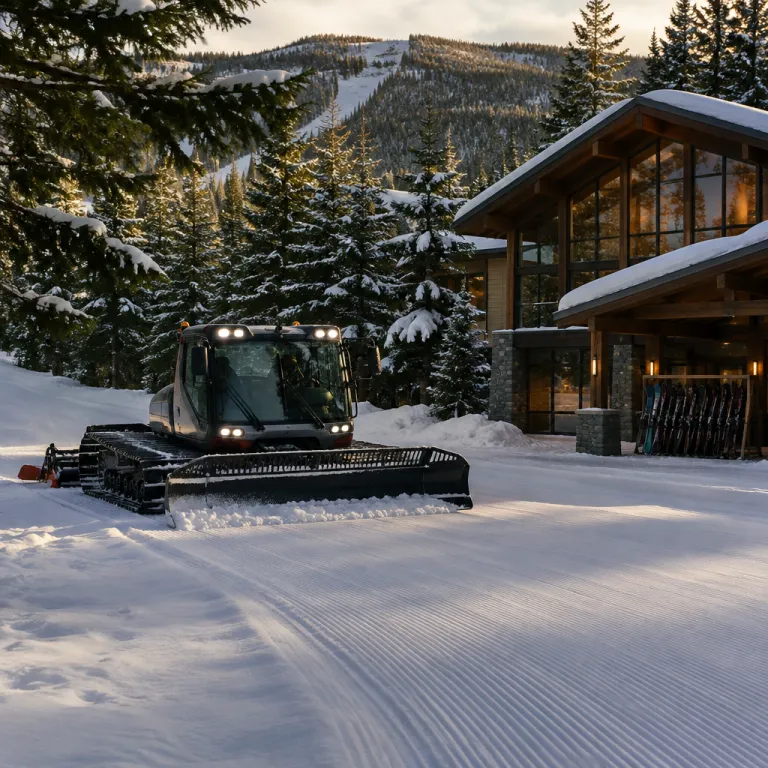
Why rusutsu is the most effortless luxury base in Hokkaido Japan
Rusutsu sits in a quiet valley of Hokkaido Japan, yet it feels surprisingly connected. This balance between serene mountains and efficient access makes the resort ideal for luxury travellers who want both privacy and seamless travel logistics. For guests planning a premium stay, rusutsu offers a rare mix of polished infrastructure, deep snow, and refined Japanese service.
Rusutsu Resort is officially a year round resort, but its international reputation comes from the long ski season that usually runs from late November into late March. The village of Rusutsu located in Shiribeshi Subprefecture has grown around the ski resort, with high end accommodation, curated dining, and an amusement park that operates mainly in the warmer months. For travellers comparing ski resorts across Hokkaido Japan, rusutsu stands out for its uncrowded slopes, efficient lift network, and consistently light powder snow.
From a logistics perspective, reaching the resort from New Chitose Airport near Sapporo is straightforward, which matters when you are booking premium travel. Private transfers, scheduled resort buses, and rental cars connect the airport to Rusutsu in about two hours, so you can land, check your flight status, and still be on the snow the same afternoon. For guests arriving from Tokyo or other Japanese cities, frequent domestic flights into Chitose Airport make rusutsu an easy extension to a wider Japan ski itinerary.
Choosing the right rusutsu accommodation for a premium stay
Luxury travellers in rusutsu face one key decision first, where to stay within the resort area. The main choices range from large full service hotels such as Westin Rusutsu to smaller lodges and apartments that offer more privacy and flexible space. Each style of accommodation shapes your ski experience, your access to the lifts, and the overall atmosphere of your stay.
Westin Rusutsu rises directly beside the base area, giving ski in ski out convenience and immediate access to the lift system that serves West Mountain and East Mountain. Rooms here are designed for international guests, with English friendly signage, western bedding, and generous layouts that suit families or groups planning a longer stay. For travellers who value a smooth booking process, a recognisable international brand such as Westin Rusutsu can simplify everything from loyalty points to special requests in English.
Beyond the flagship hotel, rusutsu accommodation includes slopeside condominiums, chalets, and Japanese style lodgings that bring you closer to local culture. Many of these properties sit a short walk or shuttle ride from the main resort lifts, so you trade absolute convenience for quieter evenings and more personalised service. If you enjoy traditional hot spring stays, you might combine rusutsu with a night at a refined ryokan such as Jozankei Yurakusoan in Hokkaido’s onsen valley, creating a balanced itinerary of skiing and restorative bathing.
Understanding rusutsu’s three mountains, lifts, and powder snow
Rusutsu Resort spans three linked mountains, West Mountain, East Mountain, and Mount Isola, each offering a distinct skiing character. The combined ski area includes thirty seven marked ski trails and about forty two kilometres of piste, served by eighteen lifts that keep queues short even at peak time. For luxury travellers, this layout means you can follow the best snow and light through the day without feeling rushed or crowded.
West Mountain sits closest to the main resort hotels and the amusement park, making it ideal for warm up laps, family skiing, and quick sessions between spa appointments or long lunches. East Mountain and Mount Isola hold the most celebrated powder snow, with long fall line runs, tree skiing zones, and views across to nearby volcanoes that define the Hokkaido Japan landscape. When you plan your booking, check which side of the resort your accommodation faces, because ski in ski out access to your preferred terrain can transform the rhythm of your stay.
For travellers comparing japan ski destinations such as Niseko Hakuba and other famous ski resorts, skiing rusutsu feels more intimate yet still expansive. The resort’s tree skiing is particularly appealing on storm days, when the forests shelter you from wind while the snow continues to pile up. If you enjoy structured days, consider hiring a private guide who speaks English, so you can explore off the main pistes safely while learning how the lift network links West Mountain to East Mountain and beyond.
From airport to slopes: crafting a smooth luxury travel itinerary
Planning a premium trip to rusutsu starts long before you clip into your skis at the resort. The most efficient route for international guests usually runs through Tokyo, then onward by domestic flight to New Chitose Airport, followed by a transfer to Rusutsu Village. Building enough time between connections protects you from delays and ensures your luggage, including ski equipment, arrives with you.
From Chitose Airport, you can choose between private car services, scheduled resort buses, or rental vehicles, depending on your preferred balance of comfort and flexibility. Private transfers suit families or groups with substantial luggage, while buses offer a cost effective option that still delivers you directly to the main resort hokkaido hotels. If you plan to explore wider Hokkaido Japan, perhaps visiting Lake Tōya or driving towards Niseko Hakuba and other ski resorts, a rental car gives you the freedom to shape your own guide to the region.
Luxury travellers often combine rusutsu with cultural stops in Sapporo or coastal cities, adding depth to a primarily ski focused stay. For a sense of Hokkaido’s maritime history and refined urban stays, consider spending a night in a heritage rich port city, using a resource such as this overview of Hakodate elegance and luxury stays as inspiration. When you structure your booking, remember that the best snow typically falls from December to February, so aligning your travel dates with this window maximises your chances of deep powder snow and optimal skiing rusutsu conditions.
Beyond the ski resort: rusutsu’s year round appeal and regional highlights
While rusutsu is famous for winter skiing, the resort and surrounding village offer reasons to visit in every season. In the warmer months, the amusement park opens with more than sixty rides, while golf courses and hiking trails reveal a greener side of resort Rusutsu. This year round activity supports the local economy and allows luxury hotels to maintain high service levels beyond the core ski season.
The wider region around Rusutsu Village showcases Hokkaido’s agricultural strength, with fertile volcanic soil supporting farms that supply fresh produce to resort restaurants. One notable initiative involves sustainable farming that uses waste vegetable byproducts from the resort to feed sheep, creating a circular system that benefits both agriculture and tourism. For travellers who value responsible luxury, choosing accommodation and dining options that highlight local ingredients and such initiatives deepens the meaning of your stay.
Hokkaido’s breadth invites longer itineraries that link rusutsu with coastal, cultural, and historical highlights across the island. You might pair your ski resort time with a journey to the southern tip, using a detailed article on Matsumae, Hokkaido’s only castle town as a planning reference. By combining rusutsu accommodation with nights in port cities, onsen valleys, and castle towns, you transform a simple ski trip into a layered exploration of Hokkaido Japan.
How to choose and book the right rusutsu stay for your style
Selecting the ideal accommodation in rusutsu begins with clarifying your priorities, whether they are ski convenience, privacy, or wellness. If first tracks and easy access to the lift network matter most, focus your booking on slopeside hotels and apartments near West Mountain or East Mountain. Travellers who prefer quieter evenings might choose properties slightly removed from the main resort, trading immediate access for calm surroundings and more personalised Japanese hospitality.
When evaluating options on a luxury and premium hotel booking website, pay attention to room size, onsen or spa facilities, and proximity to ski school or rental services. Families and mixed ability groups often benefit from staying close to beginner friendly slopes on West Mountain, while advanced skiers may prioritise quick access to the powder snow and tree skiing zones of East Mountain and Mount Isola. Check whether your chosen property offers English speaking staff, airport transfer coordination, and flexible check in time, as these details shape the ease and comfort of your stay.
It is also wise to consider how rusutsu fits into a broader japan ski journey that might include Niseko Hakuba or other resort Hokkaido destinations. Some travellers start in Tokyo for urban culture, then fly north for a week of skiing rusutsu before continuing to another ski resort or onsen town. As local guidance notes, “Best snow Dec-Feb, Book lodging near lifts, Combine with Lake Toya or Niseko visits, Bring cold weather gear”, and following this advice will help you align your booking with the most rewarding conditions.
Key figures and on snow facts for planning your rusutsu trip
- Rusutsu Resort offers thirty seven marked ski trails spread across three mountains, providing enough variety for several days of skiing without repetition, according to the official trail map.
- The total piste length at rusutsu is about forty two kilometres, which is substantial for a single resort yet still compact enough to navigate easily in one stay, based on Rusutsu Resort operational data.
- The vertical drop of approximately five hundred ninety four metres allows for long, flowing descents that suit both intermediate and advanced skiers, as indicated by the resort’s published altitude figures.
- Travel time from New Chitose Airport to Rusutsu Village is typically around two hours by bus or car in winter conditions, making it one of the more accessible ski resorts in central Hokkaido.
- The ski season at rusutsu usually runs from late November through late March, with the most reliable powder snow generally found between December and February, according to regional tourism and resort reports.
FAQ about luxury stays and skiing in rusutsu
How do I get from Sapporo or New Chitose Airport to rusutsu
The most common route runs from Sapporo or New Chitose Airport by highway bus or rental car, taking about two hours in typical winter conditions. Many luxury hotels and the main ski resort coordinate direct bus services timed to major flight arrivals. Private transfers can be arranged through premium accommodation for guests who prefer door to door comfort.
When is the best time to ski in rusutsu for powder snow
The ski season at rusutsu usually starts in late November and continues into late March, with the deepest and driest powder snow typically from December to February. Travellers focused on tree skiing and off piste terrain often target mid winter dates for the most consistent conditions. Those who prioritise sunshine and quieter slopes may prefer the early or late parts of the ski season.
How many ski runs and lifts does rusutsu have
Rusutsu Resort operates thirty seven marked ski trails across West Mountain, East Mountain, and Mount Isola, offering a mix of groomed pistes and gladed areas. The terrain is served by eighteen lifts, including high speed chairs and gondolas that keep waiting time low even during holidays. This lift system allows skiers to move efficiently between different aspects to follow the best snow through the day.
Is rusutsu suitable for non skiers or mixed ability groups
Rusutsu works well for mixed groups because the resort combines extensive ski terrain with non ski activities such as the amusement park in warmer months, indoor pools, and spa facilities. Beginners can learn on gentle slopes near the base while advanced skiers explore steeper runs and powder zones on East Mountain and Mount Isola. Non skiers can enjoy onsen style baths, dining, and day trips to nearby attractions such as Lake Tōya.
How does rusutsu compare with Niseko and Hakuba for luxury travellers
Compared with Niseko and Hakuba, rusutsu feels quieter and more self contained, with fewer villages but a very efficient ski resort layout. Luxury travellers who value uncrowded slopes, fast lifts, and ski in ski out accommodation often find rusutsu especially appealing. Those seeking extensive nightlife or multiple town centres might still prefer Niseko or Hakuba, but many guests now combine these destinations within a single japan ski itinerary.